Dan Everard.

  • Store
  • Galleries
    • Travel
    • Landscape
    • Street
  • About
  • He strode past me before breaking unexpectedly into a run

    October 17th, 2013
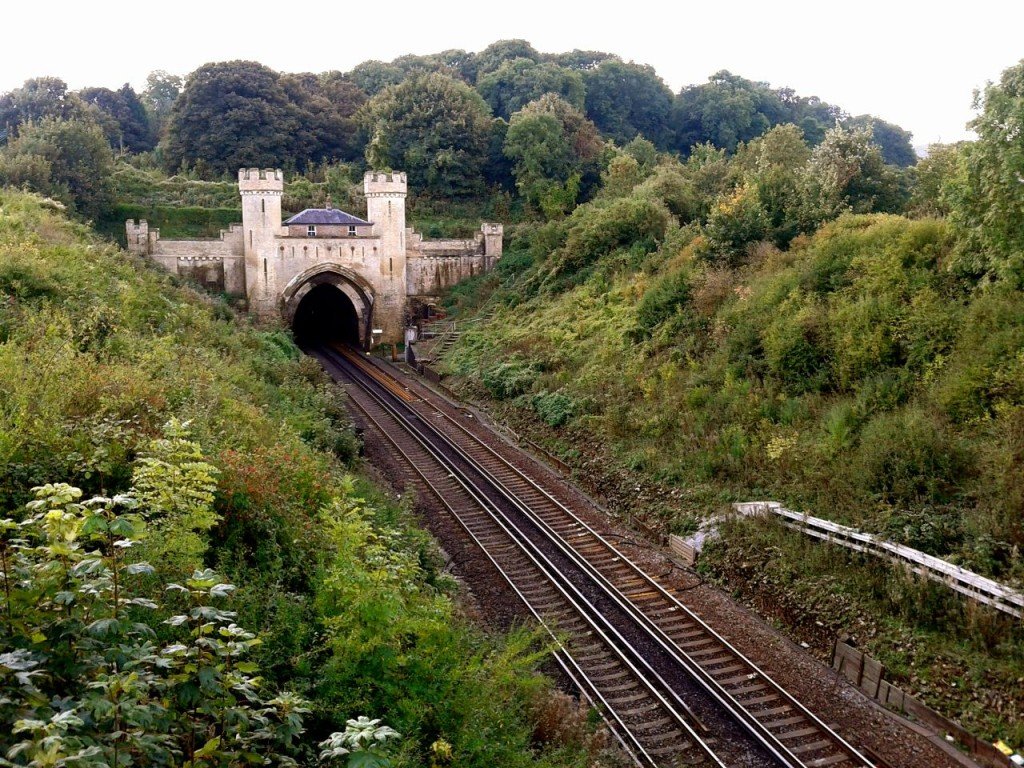
    Clayton Tunnel Exit
    The north end of Clayton tunnel

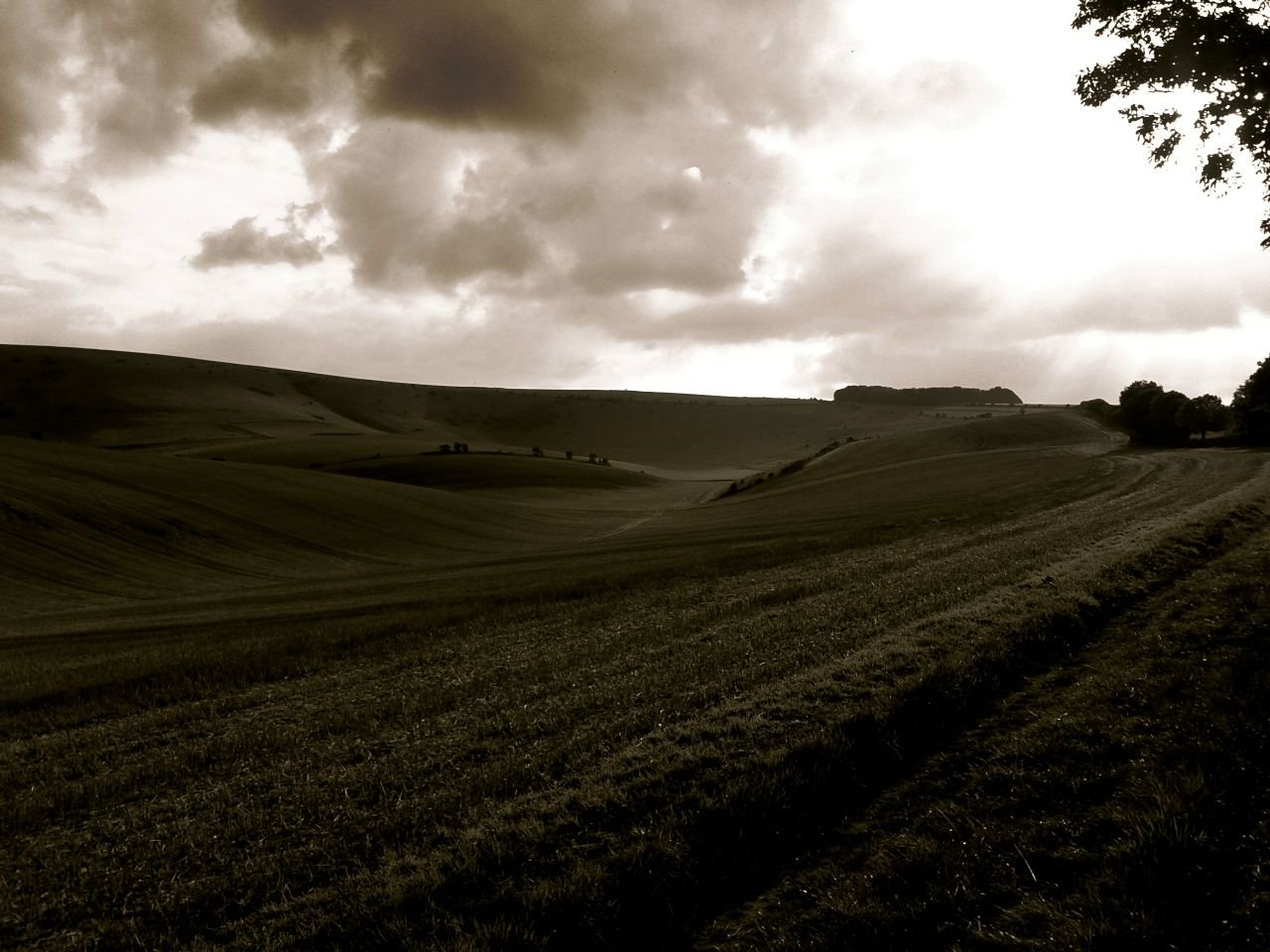
    Last Saturday I enjoyed a long, gentle walk along, over, around and across the south downs. Starting at Hassocks I traced a meandering perimeter around my home town of Brighton, enjoying unexpectedly bright weather and the gentle teasing chill of the first winds of winter. I was followed down from Hassocks to Clayton by a somewhat strange gentleman in board shorts and hoodie, who maintained a safe distance as might a (somewhat ineffective) spy going about reconnaissance. Emerging on to the A273 we parted ways however, as I paused to admire the northern exit from the Clayton tunnel, infamous for the horrific rail crash which resulted from a signalman’s failure on a Sunday morning in 1861. The tunnel exit is lovely though, with two turrets standing guard beside a privately owned cottage straddling the tunnel exit.

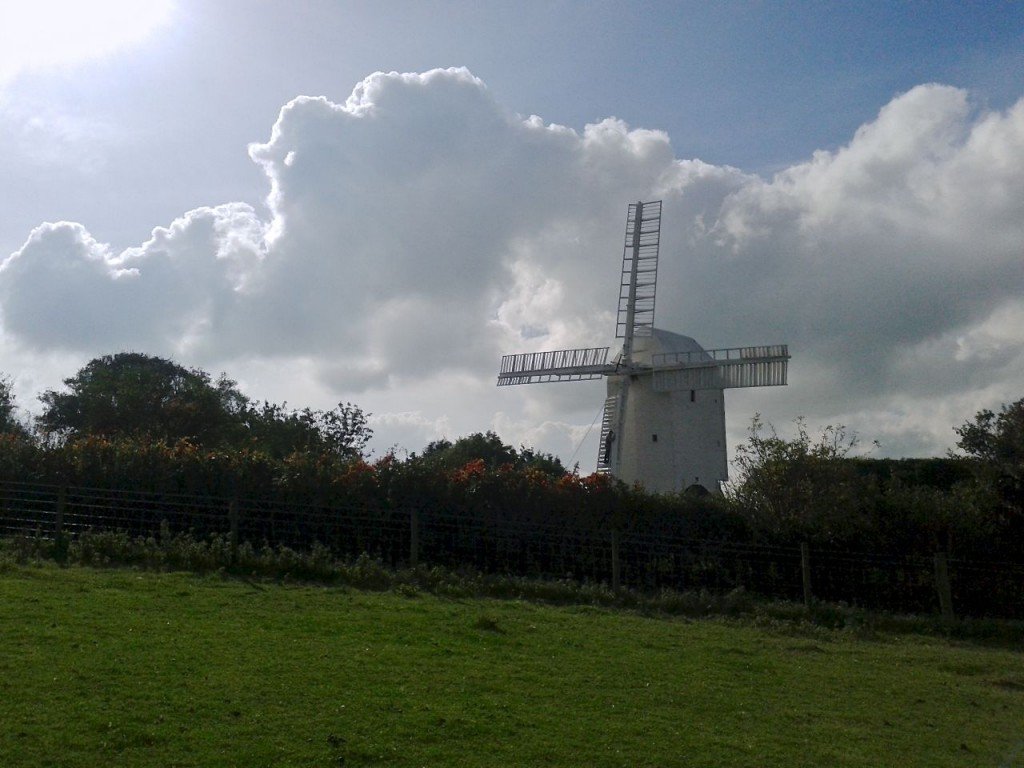
    Jill the Windmill
    Jill the Windmill

    Onwards and upwards I clambered to the Jack and Jill windmills, a glimpse of which I often catch as we emerge from the tunnel on the train each morning. Atop Jill were a couple of American gents, who appeared to be up there to enjoy the view more than anything else – and why not?! I know now these were most likely members of the Jack and Jill Windmills Society , whose volunteers have been responsible for carrying out the incredible restoration work most evident on Jill, the white windmill (Jack is privately owned).

    I was spurred onwards by the appearance of a somewhat elderly looking chap in jeans and workman’s polo shirt, who emerged from nowhere seemingly, smiling from a wrinkled olive-tanned face as he strode past me before breaking unexpectedly into a run, which he maintained until he was out of sight.

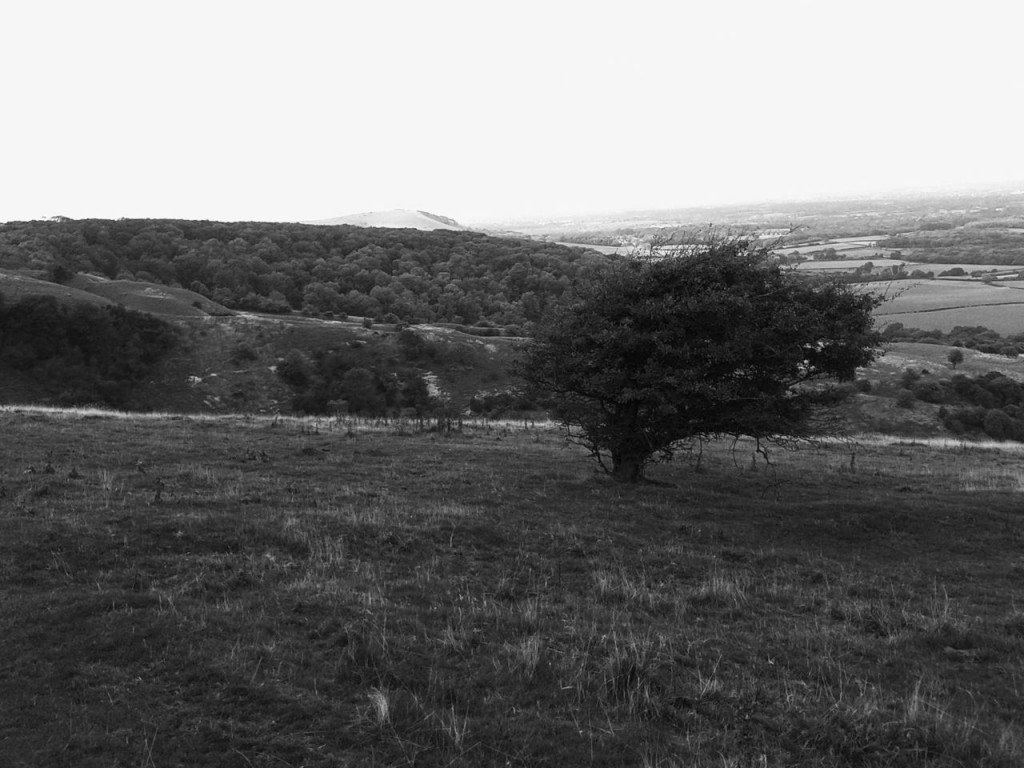
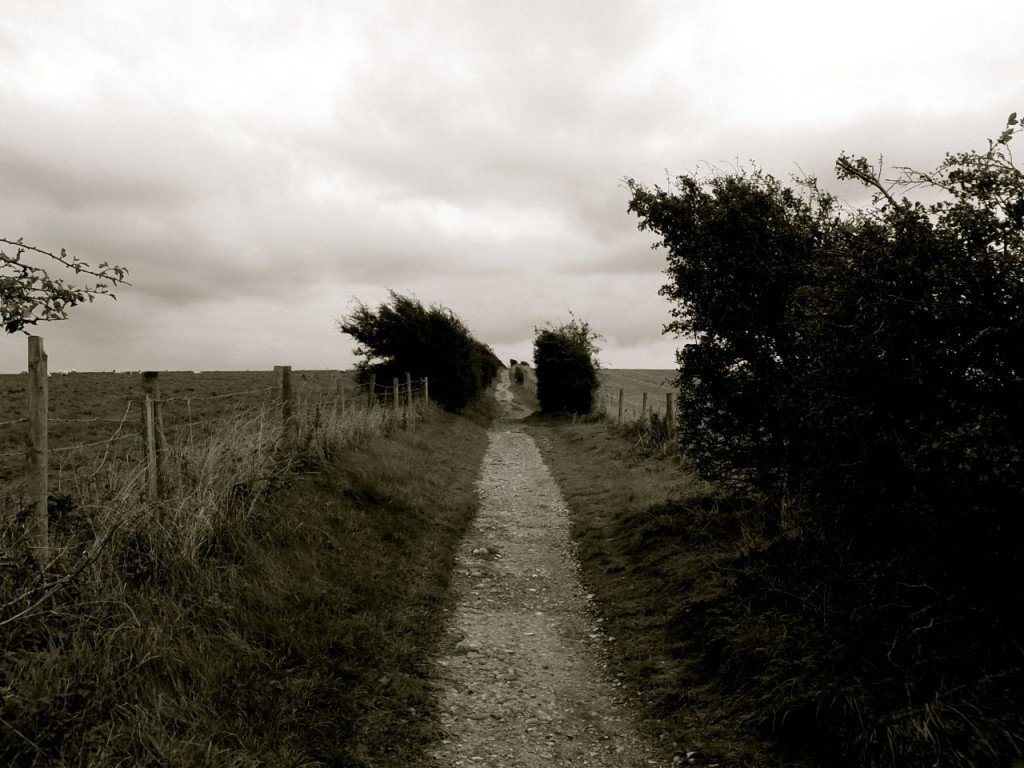
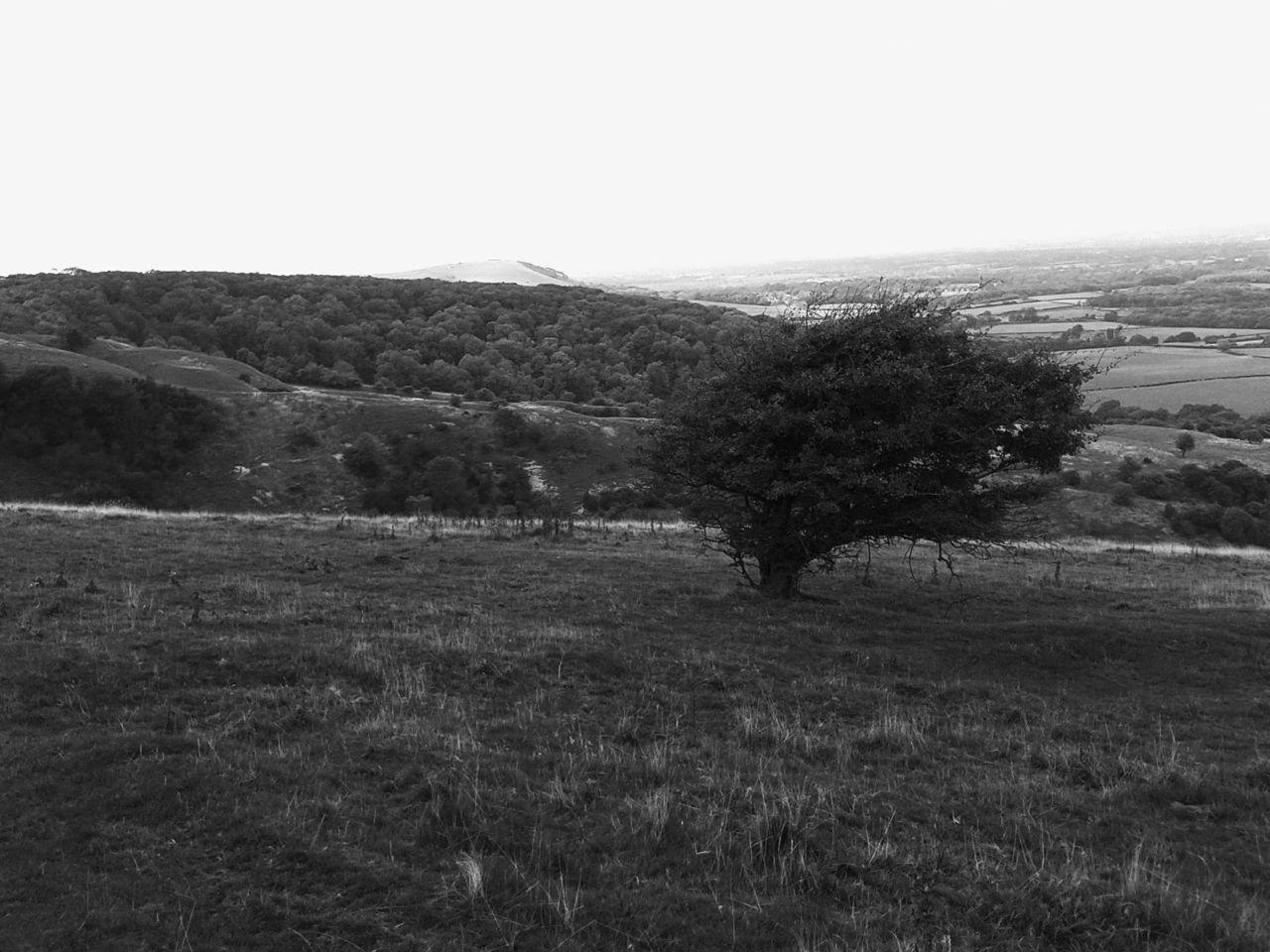
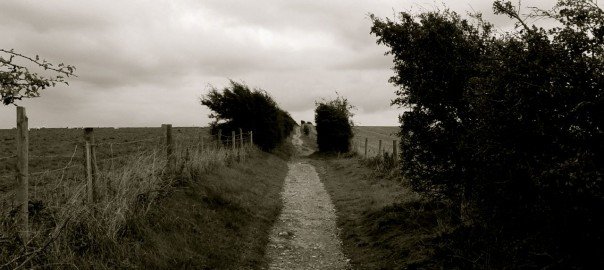
    Now turning east along the wide chalk bridleway of the South Downs Way I walked under white clouds and intermittent bursts of blinding sunshine. I found my rhythm under duress as the light wind of the morning grew more confident in the afternoon. Spindly bushes and trees, tested by the constant bluster over the years, formed gravity-defying silhouettes against the bright backdrop of the autumn sky.

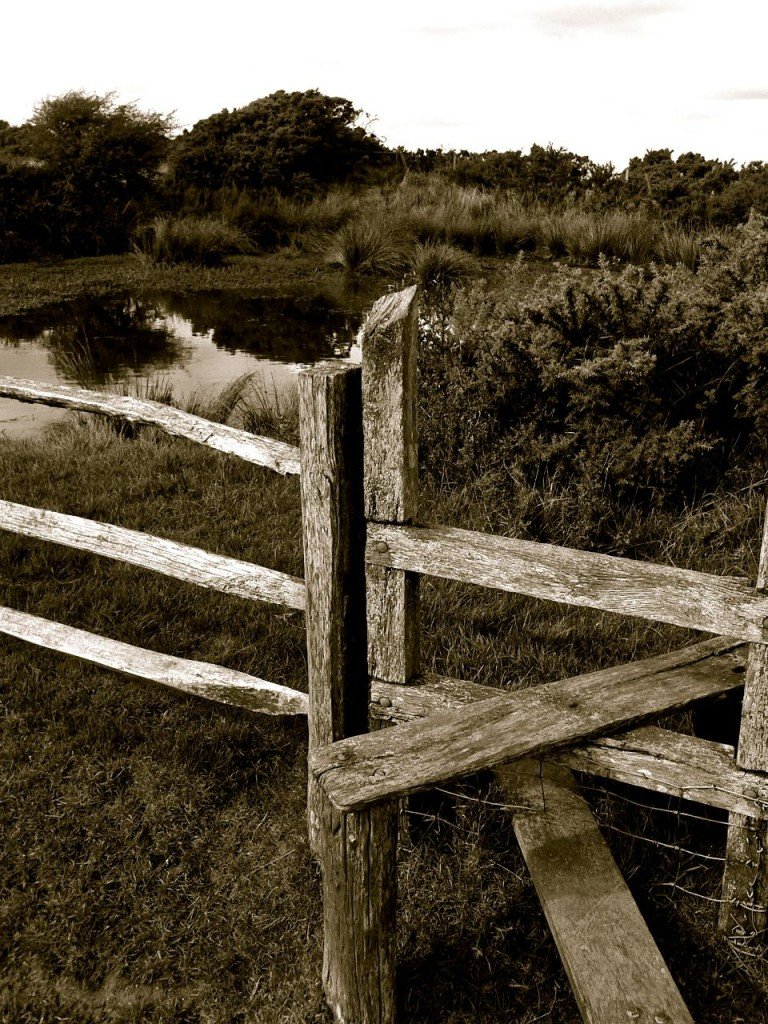
    Burnt House Pond
    The stile at Burnt House Pond

    I sipped coffee from my thermos at Burnt House Pond, a dew pond, or mist pond, constructed to retain water for the grazing of sheep through the warm summer months. Whilst these ponds must certainly retain some water condensate from the dense disorientating fog and mist of the downs micro-climate, the vast majority is gathered from rainfall, the annual volume of which outstrips the evaporation significantly. But the names are evocative and I enjoyed my time beside the pond, sharing a moment with the birds and bushes enjoying the tiny hilltop oasis.

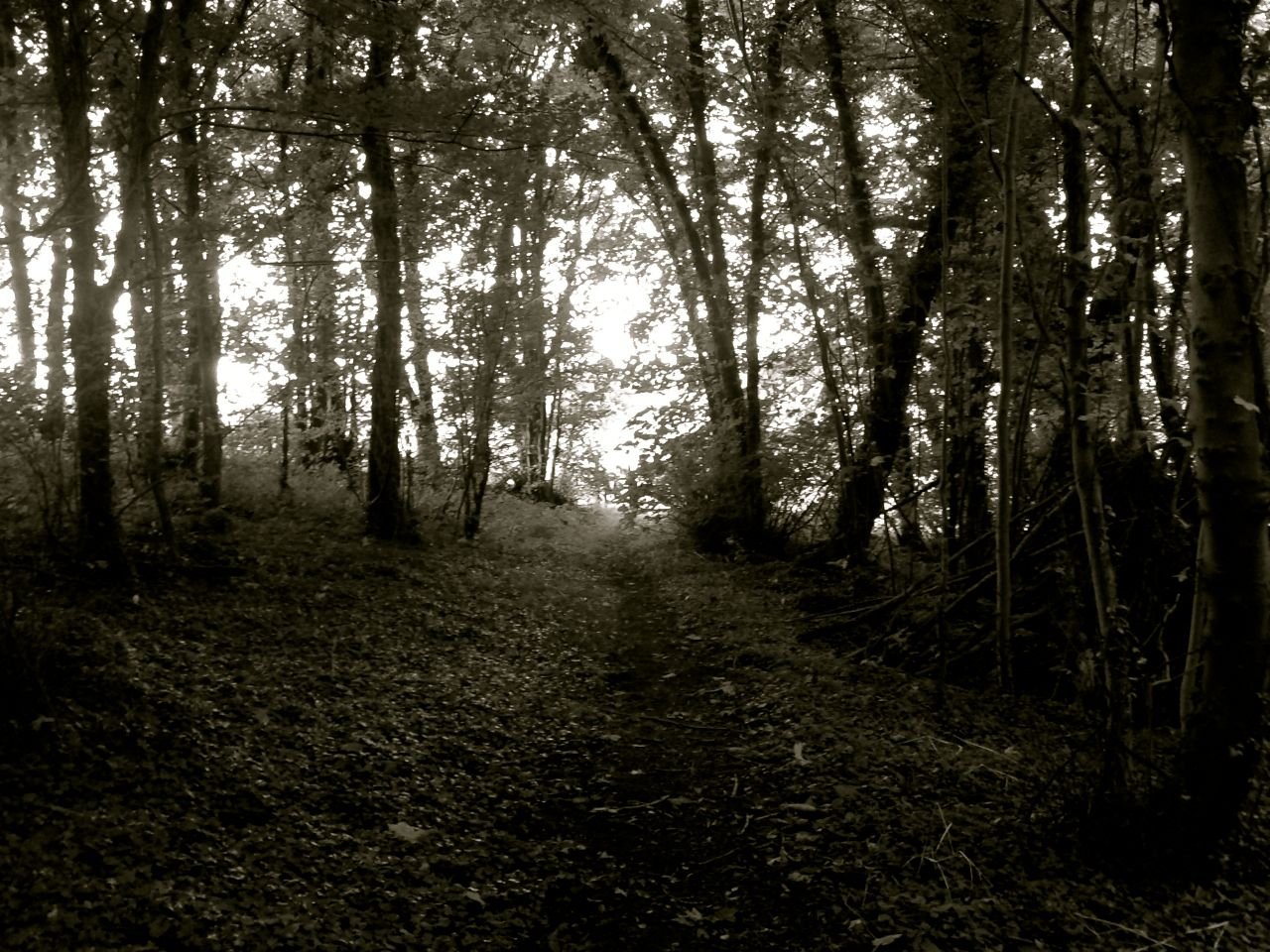
    Past Ditchling beacon, with it’s concentration of dog walkers attracted to the nearby car park, I plodded on into the National Trust reserve at Blackcap. I ate lunch sheltering from a light rain under a comfy tree, polished off my coffee and ventured off the south downs way into the shallow valley of Ashcombe Bottom, with it’s feeders and fences offering a haven to hundreds of pheasants which roam the woodland, greeting the walker at every turn. Dipping off the well trodden path through the wood, I found a perfect tree for climbing, and setting my pack to one side I became a child for 15 minutes, learning the tree as I climbed it in as many ways as I could find, pausing to reflect on the sounds of the nature around me at the top.

    A picture of me having lunch under a tree
    Lunch!

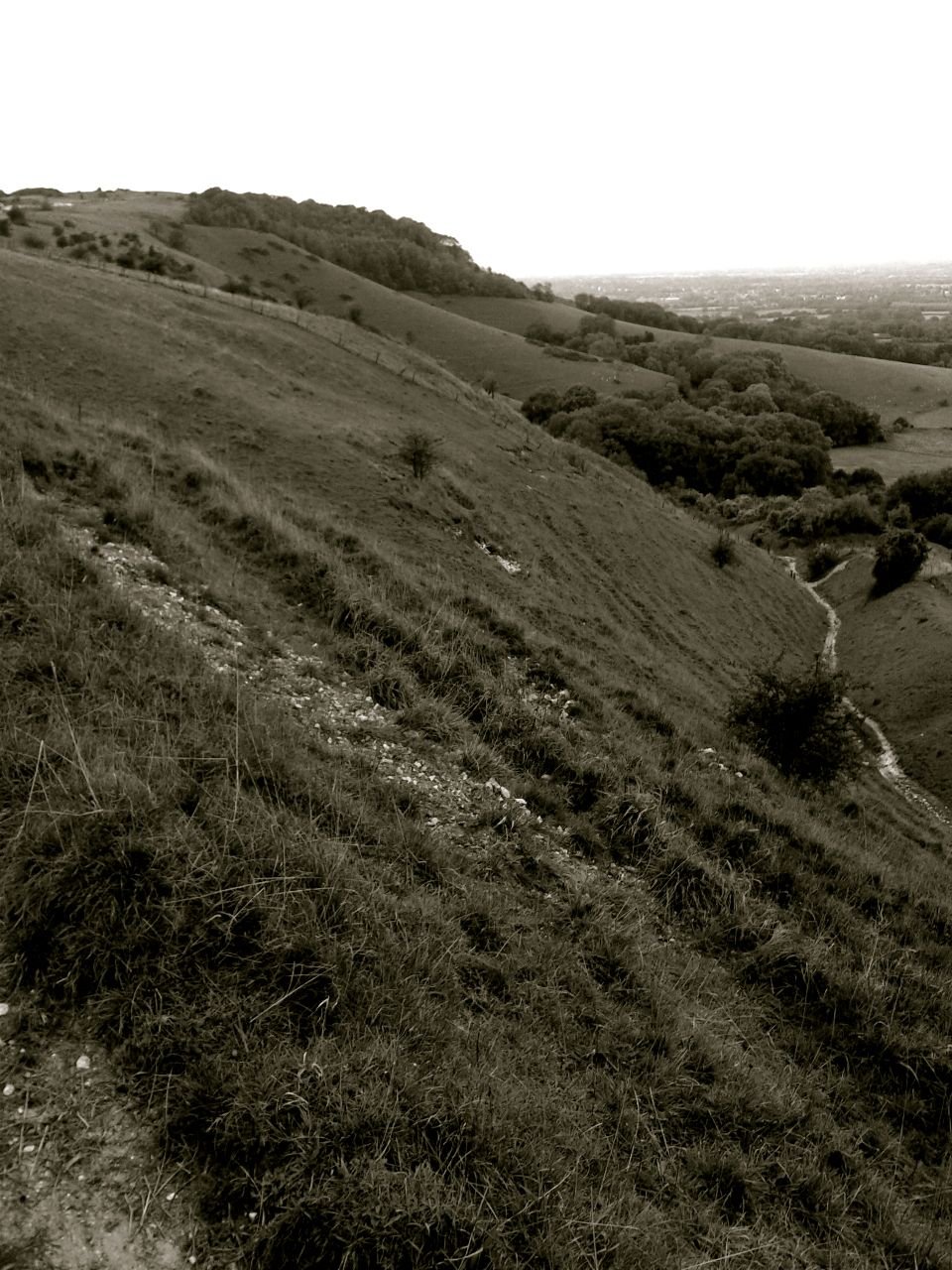
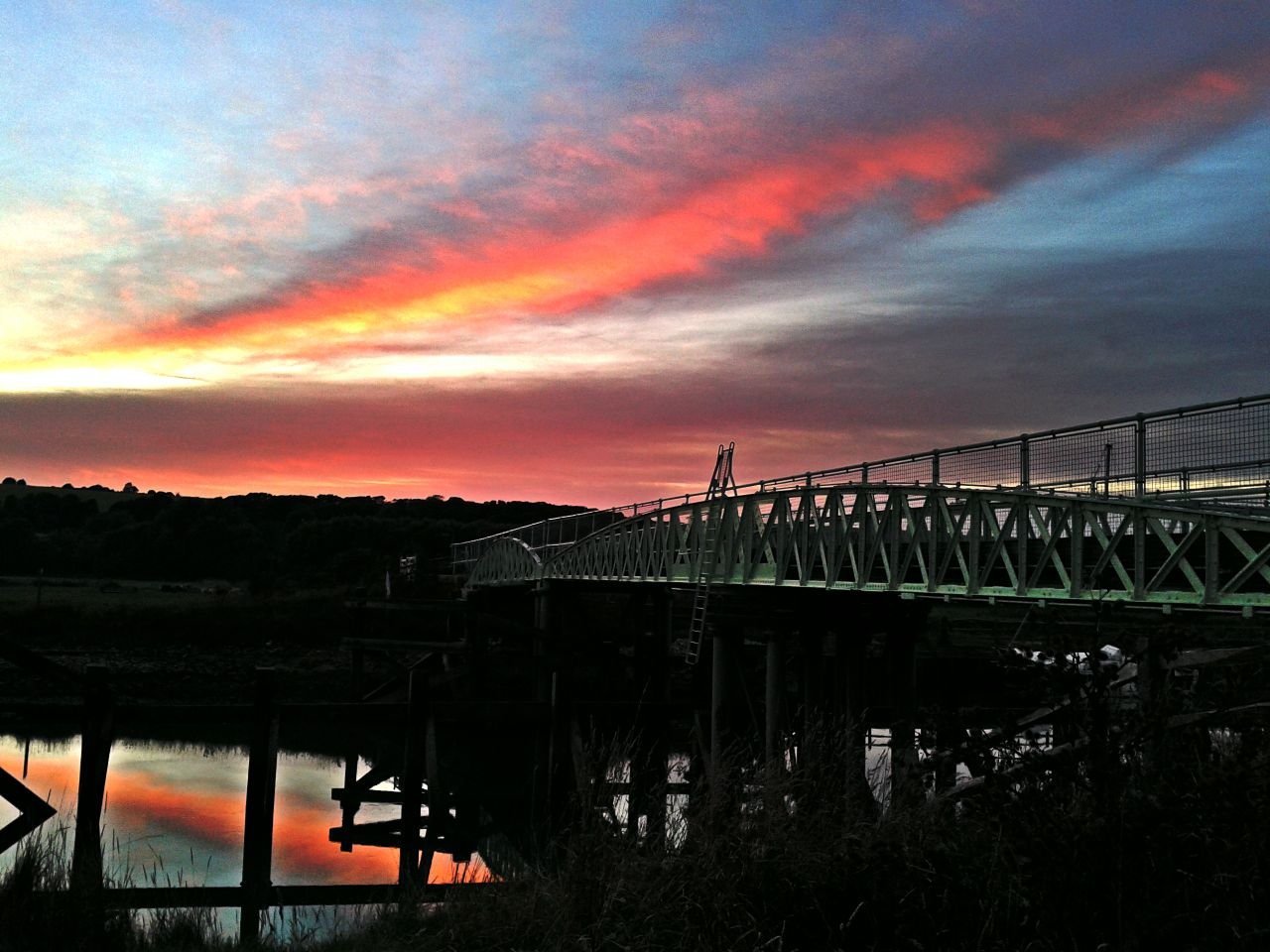
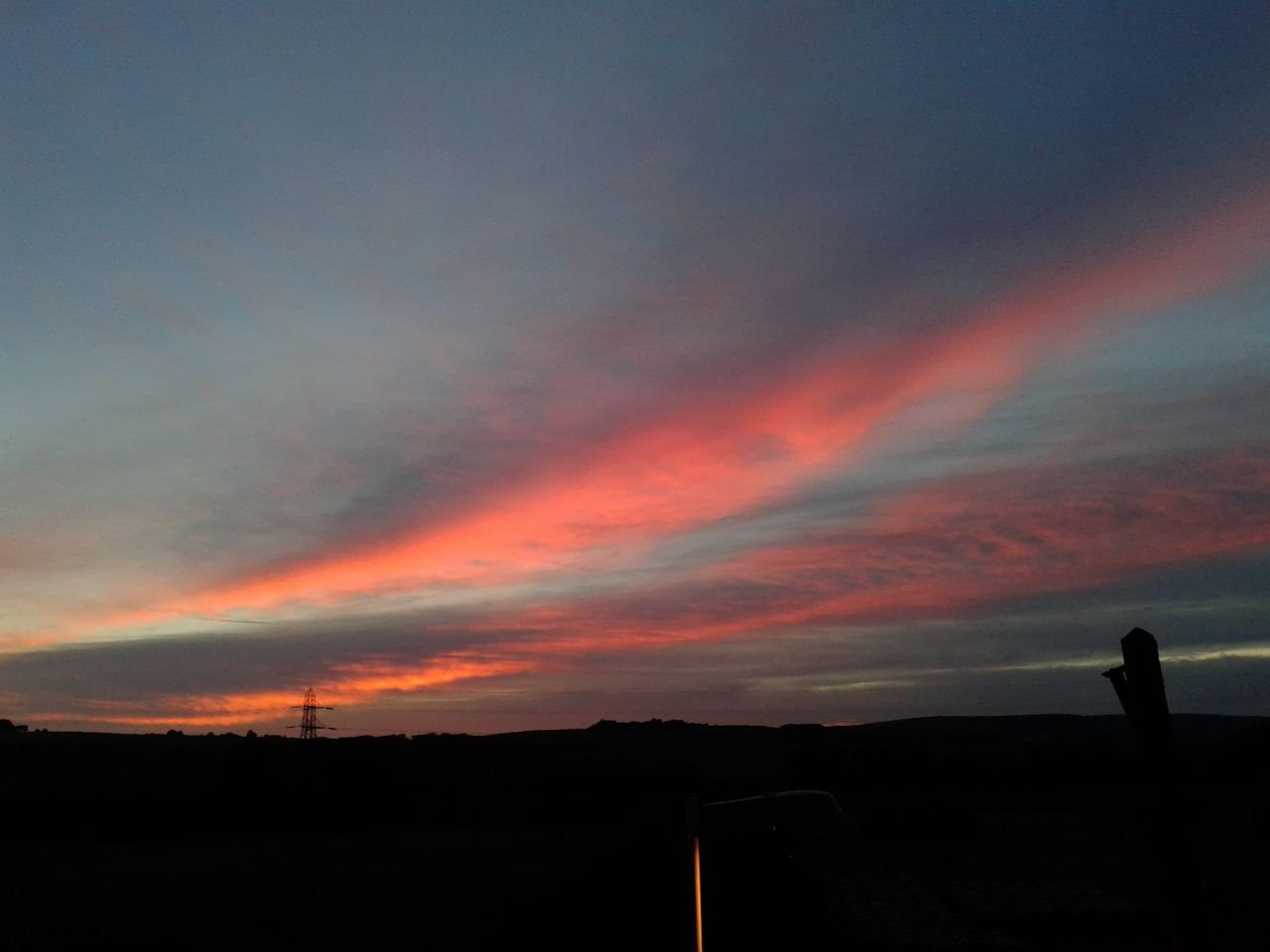
    And so on I plodded, down through the off-piste tracks of Ashcombe Bottom to rejoin the South Downs Way, across the long wound of the A27, bleeding noise over the landscape, and onward around the shallow bowl of Cold Coombes. Somewhere along the ridge over Front Hill, I crossed without fanfare from the Western to Eastern hemisphere, and turned off the Way down into Rodwell in hopes of enjoying a beer at the local pub. Fate had other plans, as it was at this point I thought to check the trains from Southease. Needless to say, they were infrequent, and so it was that I broke into a hesitant jog for the last mile or so down towards the somewhat famous swing bridge at Southease. The bridge, restored in 2010, was originally built in the late 19th century. Whilst it retains all the moving parts requisite for operation as a swing bridge, it was actually last opened in 1967, and today is a fantastic example of the engineering methods of the time – one can clearly see all of the mechanised components and imagine the bridge in action. I arrived in plenty of time to enjoy the sun setting behind the hills along which I had spent the day, illuminating the sky in a plethora of reds, pinks and oranges.
    • Clayton Tunnel Exit
      The north end of Clayton tunnel
    • Jill the Windmill
      Jill the Windmill
    • Burnt House Pond
      The stile at Burnt House Pond
    • A View over the South Downs
    • A picture of me having lunch under a tree
  • Daunt Books & TEDx Brighton

    October 11th, 2013

    The floors creak in daunt books. Books line the walls of two storeys of stories and the musty perfume of crisp parchment, perfectly typeset pages of knowledge and narrative, fills the air. The weight of human creative and academic pursuit is carried on that scent. It has gravity. With each step a creak, that imposes upon that gravity, unavoidably of course until one settles on a shelf. But which shelf? No keyboard to tap on to search here, just broad categories and alphabetisation. All the better to stumble upon something a little different – a discovery of one’s own, rather than the sterile, predictable recommendation of a computer. When you’re perusing those shelves, you become the entropy in the system, the occasional mutation in the otherwise predictable algorithm which internet-bound shoppers rely upon and follow for inhuman guidance.

    James Daunt, founder and namesake of this literary cornucopia, has made a success of his latest challenge at the helm of Waterstones. Once a shop which I avoided, recent experiences at Waterstones have been overwhelmingly positive. The staff are knowledgable and very helpful. The displays are interesting, relevant and varied. The shelves are well stocked. I feel compelled to purchase at Waterstones now, and branches I’ve used in Clapham and Brighton have become places of discovery similar to Daunt Books. My reading is slow enough for this to be bad news, for my backlog is growing at a tremendous rate, but you can never have enough books, can you?

    In other news, I’m very excited to have managed to scrape a ticket for TEDx Brighton on 25th October. I’m particularly looking forward to hearing from Aral Balkan, whose Prometheus initiative is something I’d love to get involved in, and who is heavily involved in Code Club. I also share a (relatively passive) interest in the application of mathematical analysis to sociological phenomena with Mick Taylor, a mathematician whose OurFest experiment sounds incredibly interesting.

  • History: Art or Science

    August 27th, 2013

    At the dinner table, on the veranda in Spain, we discussed a question which I was pondering:

    “Is historical study an art or a science?”

    I’m aware that there is no answer to this somewhat pointless question, and after a few false starts during which we established this fact we had a lively discussion, primarily with myself arguing that history is science and Lucy arguing the alternative. Lucy had a strong case, suggesting that history is interpretation above all else, and that interpretation and dissemination of records of events is itself likely to lead to a narrative proxied through the perspective of a particular individual, and this narrative – with the emotional imprint of it’s author – is art. My counter argument is that whilst I accept that this may be the reality of historical interpretation, it is not the goal. A historian is aware that some event occurred, and it is their job to bring their understanding of the event and it’s context as close to the truth – the reality – of the occasion, as possible. In this, history is much more akin to science. The historian, as the scientist, establishes a hypothesis – a theory – and seeks evidence to support that theory.

    So it was by a fortunate stroke of serendipity that I came across Lockhart’s Lament in my Evernote inbox whilst writing a short journal entry yesterday and resolved to read it (after 3 years…). The essay is a criticism of contemporary mathematical education, and the first point the author seeks to establish is that mathematics is much more art, than science. With reference to the role of approximation in mathematical thought-experiment, Lockhart comments:

    “That’s just not simple, and consequently it is an ugly question which depends on all sorts of real-world details. Let’s leave that to the scientists.”

    The implication here, that art disregards the imperfect and deals in the abstract; focusing on only particular attributes of the detail, is a wonderful interpretation of the essence of mathematics. It rationalises Lockhart’s emotional exclamation “…that there is nothing as dreamy and poetic, nothing as radical, subversive, and psychedelic, as mathematics.”

    The counter-example, focusing necessarily on all details in order to paint the most complete picture, to include all the required context for interpretation, is my argument for history as science. My stance, in retrospect, was weakened upon reading G.H. Hardy’s excellent description, as quoted in Lockhart’s Lament:

    “A mathematician, like a painter or poet, is a maker of patterns. If his patterns are more permanent than theirs, it is because they are made with ideas.”

    G.H. Hardy

    I agreed with one of Lucy’s assertions regarding the reality of historical analysis: historians cannot afford to consider every detail. They, as per Hardy’s mathematician, must establish patterns and demonstrate fluidity in their narrative in order to justify the abstraction of certain details. The careful abstraction of these details without detracting from the plausibility of her interpretation of events is the historians art.

    Have I convinced myself? Is history art? No. Whilst in practise artistic compromises may be necessary, I still believe that the historian’s plight is to establish theories which come as close to fact as possible.

    More on Paul Lockhart’s excellent “A Mathematician’s Lament” in a later post.

    Image credit: Photo by National Cancer Institute on Unsplash

  • Richmond Hill with Grandad

    January 26th, 2013

    Family
    Grandfather and grandson
    Lucy with Grandad

  • Snow Day – Sunday

    January 21st, 2013

    Awwww
    Ready to go
    The long walk back
    Too heavy, can't move!
    That was fun...
    Ahhhhh
    Whizz
    Stroller Tumble
    Hi!
    A New Friend
    The "Stingray"
    Cold, but enjoying the view
    Wave
    Playing in the Snow

  • Snow Day – Saturday

    January 20th, 2013

    Snow Day
    It's not much, but it's home
    Cute Gatekeeper
    Cosy
    Cold but Happy
    Windswept
    Cheeky!
    Fallen Hero
    Walk Away
    Cheesy Grin
    Snow Angel
    The Gate
    Share the Warmth
    Hello!
    One of the Lodges
    Little Snowman

  • Barnabus

    May 27th, 2012

    We found a teddy bear in a church. Two young girls, selling their old toys and books for charity. We had stumbled across the church on a Sunday stroll. The sun was high and warm, with a strong coastal breeze. It stood, imposingly large , and we ducked in for the shade. Artists were using it as a gallery for their pieces, displaying mirrored statues and seascapes in an open house. Brighton Festival was in full flow and artists around the city had opened up their houses for the public to see and admire. It felt like we had discovered our own Berlin, our San Francisco on this frigid green isle.

    We called him Barnabus. He now sits on the Indian chair. Foraged and assembled by Dan on one of those weekend courses, we found the natural hemp rope for the seat in Pondicherry. It was one of those small shops you only find in India, highly specialised in rope. Every type you could wish for. And we did. We lugged it with us, on our train journeys that lasted days and on dusty, hot roads looking for accommodation. It completed the backpackers look but it was actually necessary. We couldn’t have afforded the same here.

    So Barnabus, bought for 50p, sits on the rope seat. He is at home here. A guest, but still, at home.

  • First Night in Brighton

    February 29th, 2012

    So we had our first night there. I have woken with a slight headache, ear-ache and sore throat so I am feeling a bit off-balance.  But those are caused, as I well know, by a sleepless night. And not our new home in central Brighton. My mother calls it our subterranean control centre. I think of it fondly as our Brighton bunker.

    It is underground, under a snazzy hairdressers. It does not appear to catch the sunlight at all, at least I haven’t observed it yet. This is a little troubling as I am a sunseeker. On the day that we moved, we had brilliant, bright blue skies and strong sunlight. The pebble beach was impressively packed for a February weekend. Our little grotto, however, stubbornly retained its cool, dark interior throughout. The light could not penetrate our forces.

    This is, however, the only down side of our new home and I do not do it justice by starting off with a negative. It’s a cosy bolthole. The rooms are quite large for a converted flat, with a kitchen and bathroom that are proper sized and not the usual galley jobs you so often get. The living room is the main feature, with wooden parquet floors and an exposed staircase running up one wall to the bedroom and what will soon be our gallery/walk-in-wardrobe above. (for soon, read six months to a year) It is my little slice of Manhattan loft. Except it’s underground and in Brighton.

    Last night, after realising that we could not finish the bedroom painting in time, we made a den in the living room. Dan set to rearranging the boxes into the second bedroom/study (currently painted a fetching ketchup red with a black concrete floor) so that we could have space for our mattress. And I tried to unpack the kitchen.

    I had thought – novice! – that our kitchen had plenty of cupboards. I recall actually remarking on that to the previous owners. How they must have laughed. After unpacking the usual bits and bobs, I unearthed items that cannot easily be categorised: Juicer. Weighing scales. Salad spinner. Mismatched tupperware and slightly mouldy thermos flasks. Joss sticks. Waffle iron. Where the hell are these supposed to live? My cupboards were full. The painted red shelving (soon to be duck egg. See above) was full of random items I had been periodically throwing up there. The cupboards were jammed. And so they remain. In a box, or rather, boxes. Until further notice.

    Unperturbed, I continued to make dinner. A simple pesto pasta and salad, I knew I could handle it and the kitchen in its unpacked state would cope too. As soon as the garlic started frying, and the familiar, scent wafted around, it dawned on me that this little cave of ours was our new home. It was ours to keep. I felt a surge of affection for it, and noted that I was very happy. We uncorked our first bottle of champagne. Jazz fm accompanied the rest of my cooking (a less than perfect station but easy listening) and after a few glasses of some very good bubbles, I actually started to feel relaxed.

    It didn’t last. I awoke no less than 7 times during the night. The cats did their best to assist my sleeplessness. At about five, Frankie blessed us with a crap. As his litter tray was about four metres away from my head, the stench almost knocked me out. After gently prodding my fiance, he awoke in a trance and set about clearing it up, even remembering to spray sickly room spray, before blindly falling back down onto our mattress. My hero.

    After dreaming I had overslept, I awoke at the alarm, feeling as though my eyes had been punched. I looked worse. My hands won for best appearance, however. After three days of stripping wallpaper, sanding walls and decorating, I looked like a dried, crusty shell. In an effort to appear slightly less heinous, I had coated myself in a gradual self-tan the night before. My palms are now a burnt orange, glowing like bizarre beacons of tanning failure. Now I look like a sunburnt shell.

    Which would be fine normally. But in the back of my head is the constant glossy-mag mantra that it is only (only!) four months until our wedding day. The run up to this momentous occasion, or so I am told, is supposed to be a focussed, dedicated session in prepping and preening my body, face and hair into The Best Me Ever. This is just not happening. I work 15 hours a day, we have just moved house, which we have foolishly decide to fix up and decorate all by ourselves. I can barely manage to remember we have a wedding and book essential parts of it, let alone ensure that I am drinking green tea and giving myself salt scrubs every five minutes.

    Where DO people find the time to read wedding blogs, let alone have such inane lives as to write the things. Who has time to hand-knit nutmeg holders or make sugar-spun fairy wings? And why, if you had that time, would you spend it doing this crap? Suddenly, clever, independent women have turned into southern American cookie-cutter housewives who obsess about hand-crafting their entire weddings. “It’s just one day!’ I feel like screaming. And yet, when I protest, they look at me smugly. Oh yes, they think, you have your wedding your way with no hand-wrapped, hand-made bonbons, and you will FAIL, my friend. And we will win. And in a flash, I realise: this is a competition and I am already losing. What kind of wife wouldn’t dedicate their entire lives to their wedding day? I tremble in fear. Let the games begin.

  • Retail banking can and should be better

    February 16th, 2012

    The Vickers’ report has been praised for highlighting the importance of competition between high street banks. The report suggests it should be easier to switch accounts, via a system which is “free of risk and cost to customers”. It also suggests the industry should be referred for a competition investigation in 2015. What the report does not pay as much attention to is the quality of service offered to retail banking clients. My latest experience with Lloyds TSB highlights the failings of the part-nationalised behemoth of the British high street.

    My simple request of the teller today was to perform a BACS transfer to my solicitors. I was informed that whilst transfers via online banking take just three clicks, the service is not available in the branch and I should head back to my office and make the transfer online (of course, if I had £30 to spare, a CHAPS transfer was readily available in branch). “But I need a confirmation” I begged, exasperated by the implications of this revelation.  You see, not only is the CHAPS transfer available, it is the primary option offered to those unable to access online banking – such as the elderly, visually impaired, or those without the means to own or operate a computer.  In my eyes this amounts to simple profiteering from those in a vulnerable position.

    I digress… “Make the transfer from your desk, and come back with a printout of your statement so it can be certified” was the answer. I refused to accept this, and was offered a seat at a customer service desk to log in from the branch. The connection from the antiquated PC was terrible; and IE 6!  No wonder everything takes forever.  Not only that, but for reasons unknown to the staff member assisting me, the transfer was referred to a verification team. The latest nugget of advice on my screen: “Check back in 72 hours”. I almost cried.

    “Luckily”, I thought, “I’m in the branch – my new friend can help me!” Wishful thinking – the customer assistant attempted to dial the number on the screen, which failed because it was a textphone number, and had to refer to an internal directory to find an appropriate contact number.  And so it was that from within a branch of Lloyds TSB I sat making small talk with an impatient assistant whilst we were held in a telephone queue for over 15 minutes. The experience speaks for itself. Lloyds TSB, I’ve been loyal to you for over 10 years; I love your ads (“Eliza’s Aria” by Elena Kats-Chernin is fantastic) but our time together is up.

    I’ve now moved over to Nationwide who have proven to be friendly, efficient and no-nonsense. The process of migrating my account was simple enough but has taken quite some time. Perhaps Vickers’ intention was simply to encourage people to consider moving. Until they do banks such as Lloyds TSB will continue to grow more complacent in their dominant position, resulting in nothing but a bad deal for the public.

    Links
    The Vickers’ Report
    “Eliza’s Aria” by Elena Kats-Chernin (scroll down, it’s at the bottom)
    Nationwide

  • Garden State OST

    February 16th, 2012

    Garden State OST album coverI’m sure any music snob will remind me, soundtracks aren’t proper albums. Apparently they succeed on false merits: would you still love the music so much without the memory of the story it accompanied?

    Who cares?!  I long ago decided against forcing myself to listen to music objectively and I’m happier than ever listening to album after album fully embracing the emotional response I feel before, during and after hitting ‘play’.

    And so it is that my next “Back to Discs” album purchase is a soundtrack which I keep on the iPod at all times: Garden State.  The movie is fantastic, highly recommended watching. The quirky love story is heart warming, funny and memorable, and the soundtrack not only provides a perfect accompaniment to the film, it stands alone as a wonderful selection of similarly quirky, laid back and emotional tunes.  A perfect album for background dinner party music or chilling on the common in the sun.  This is also the album and movie which introduced me to The Shins, a unique favourite band of mine, but more on them later.

    Purchased from Amazon: http://www.amazon.co.uk/dp/B0006GVJW6

←Previous Page
1 … 5 6 7 8 9 … 11
Next Page→
 

Loading Comments...