Contact tracing, the process by which health authorities can identify those at risk of infection by virtue of proximity to a known case of a virus, …
Link to full post on Fjellfolk: On privacy and contact tracing
Contact tracing, the process by which health authorities can identify those at risk of infection by virtue of proximity to a known case of a virus, …
Link to full post on Fjellfolk: On privacy and contact tracing
Contact tracing, the process by which health authorities can identify those at risk of infection by virtue of proximity to a known case of a virus, has long been a pillar of pandemic response. With radio-enabled mobile devices now globally ubiquitous, it comes as little surprise to see that they are playing a role in the evolution of contact tracing methods.
Contact tracing is only as effective as its scale. The ability to evaluate only small proportions of an at-risk population will ultimately undermine any contact tracing system, manual or digital. As early attempts to develop contact tracing apps launched around the globe, technical limitations, privacy concerns and poor assumptions about adoption rates undermined almost all efforts. Into this mess stepped Apple and Google, together responsible for the software, and to a lesser extent hardware, which power the majority of our mobile devices.
(more…)The next generation of mobile broadband data network is being discussed in almost every context you can imagine, from technology to healthcare to sociology to urbanism. 5G is coming. But what is it, what does it enable, and how is it relevant to the citizens of urban places? And therefore, what does it mean to those designing and moulding the cities in which we live?
5G will replace or augment your existing 4G connection, providing exponentially greater bandwidth alongside massively reduced latency – the time it takes for data to get from A to B.
5G operates across a broad range of frequency spectrums. Lower frequency ranges (below 6GHz) provide a more reliable signal but are limited in their bandwidth. These ranges are nearing saturation in many cases from overloading of existing 4G networks. 5G also leverages higher frequency spectrums, which provide massively increased data rates and much lower latency, but which are quite limited in their ability to penetrate buildings, and the coverage area for a single antenna is limited, thus necessitating much larger numbers of antennae to achieve uniform and reliable coverage.
(more…)
When asked, Lucy, myself or Magnus would probably choose our day trip to Minna Island as the best day of our trip to Japan. We got off to a bad start…
Link to full post on our family blog: Minna-jima

In this paper Geoff Boeing examines ways in which the Smart Cities paradigm can leverage publicly sourced datasets to enhance traditional forms of …
Link to full post on Fjellfolk: Big Data in Urban Morphology
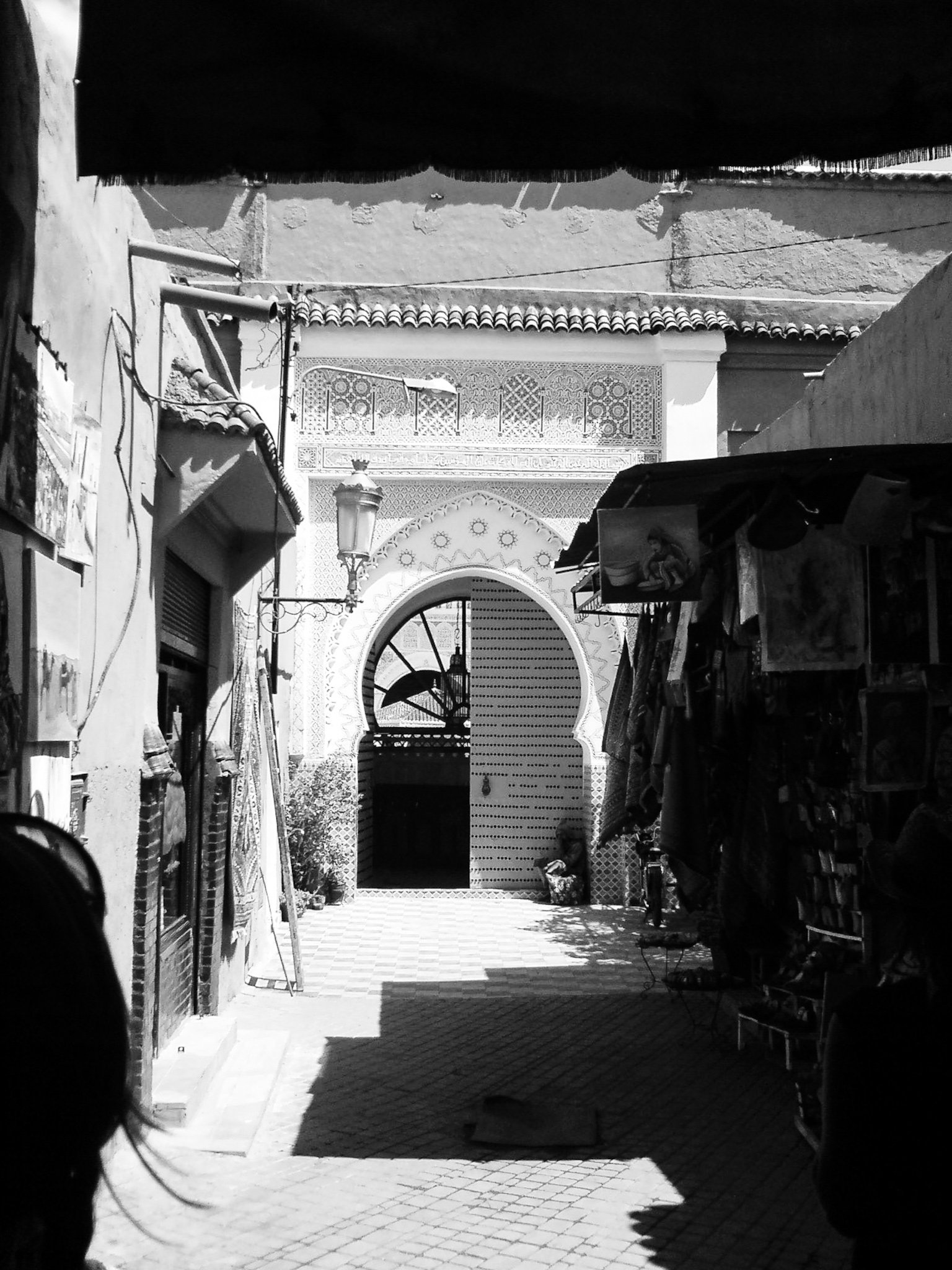
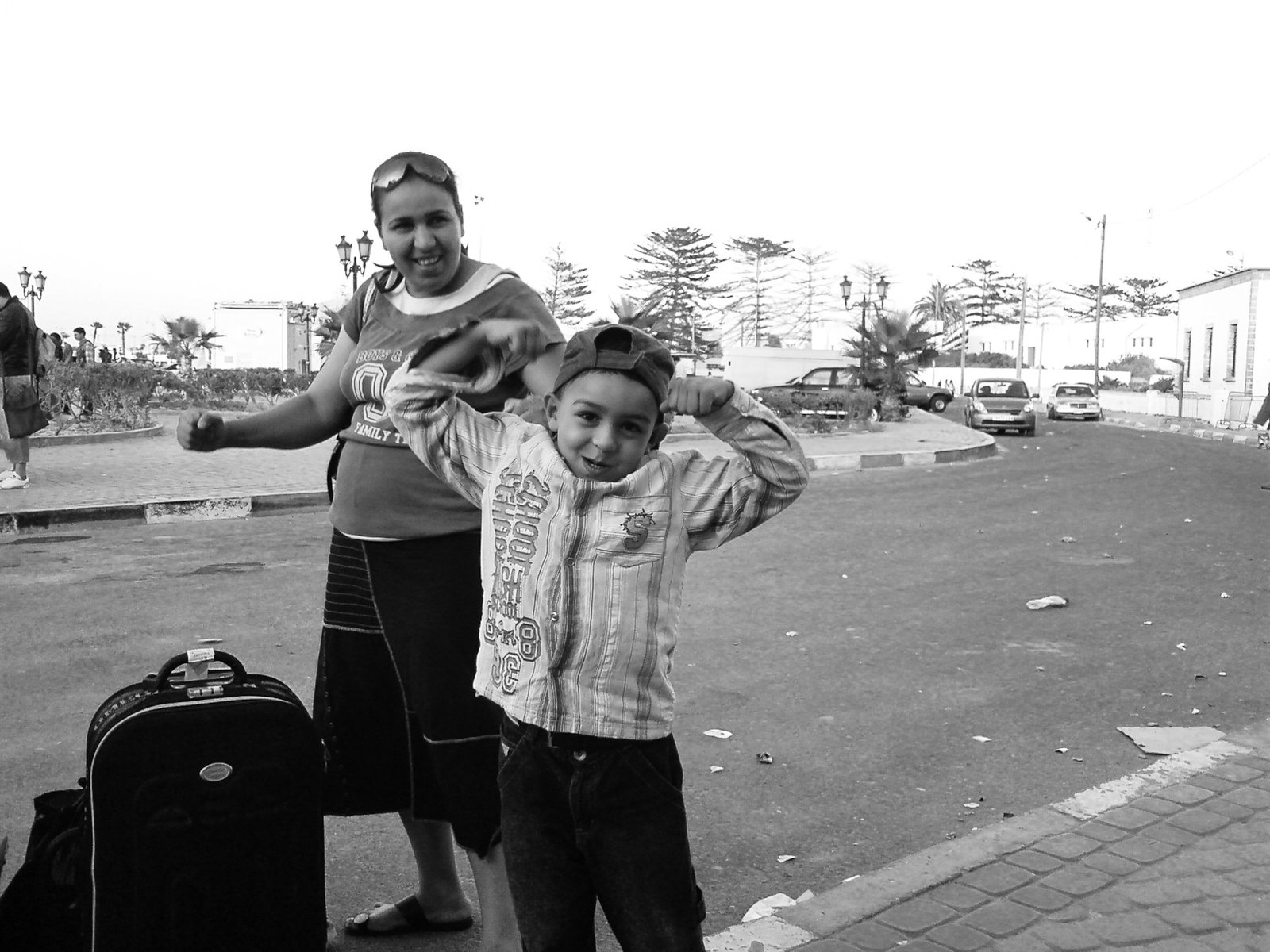
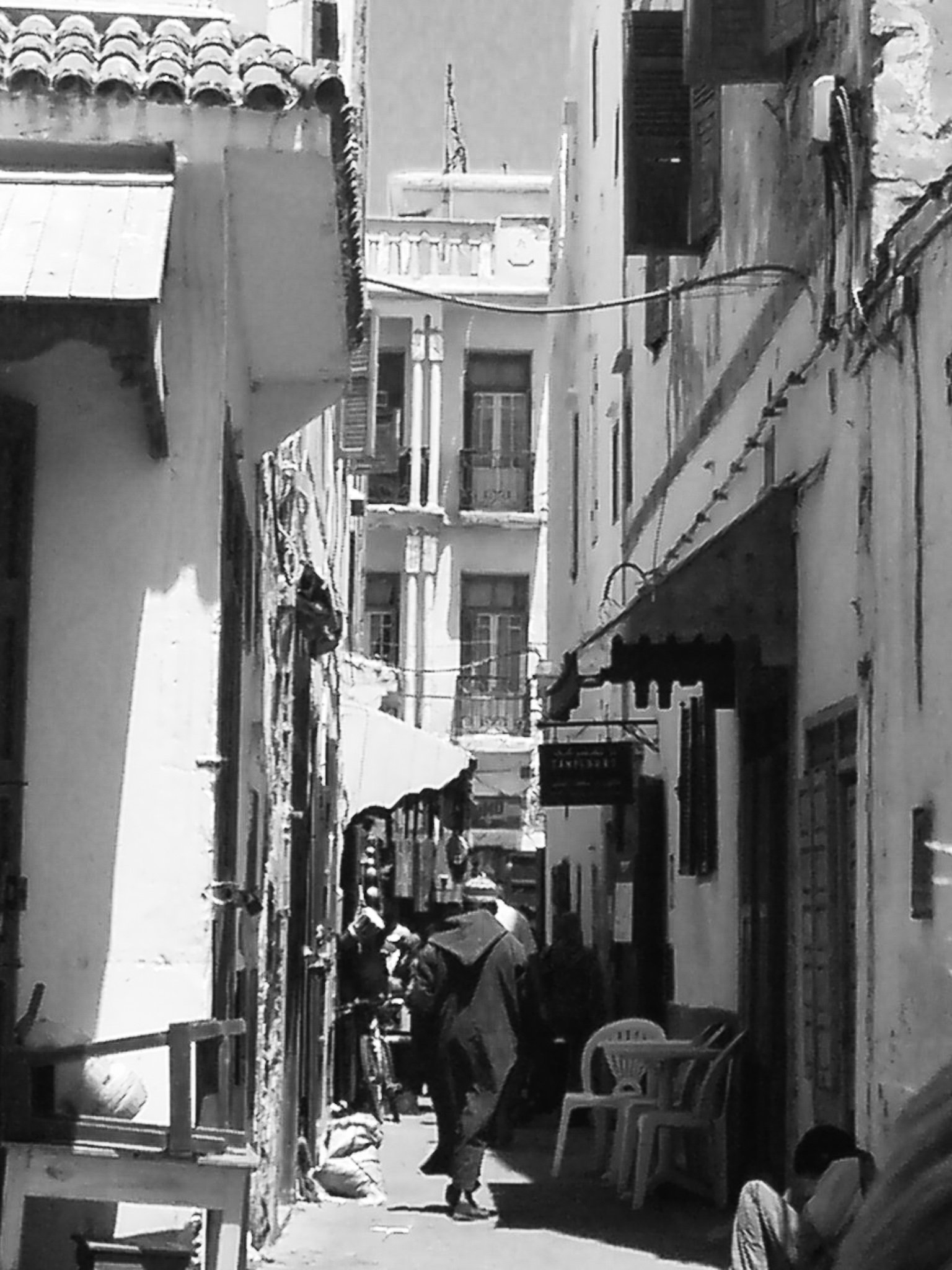
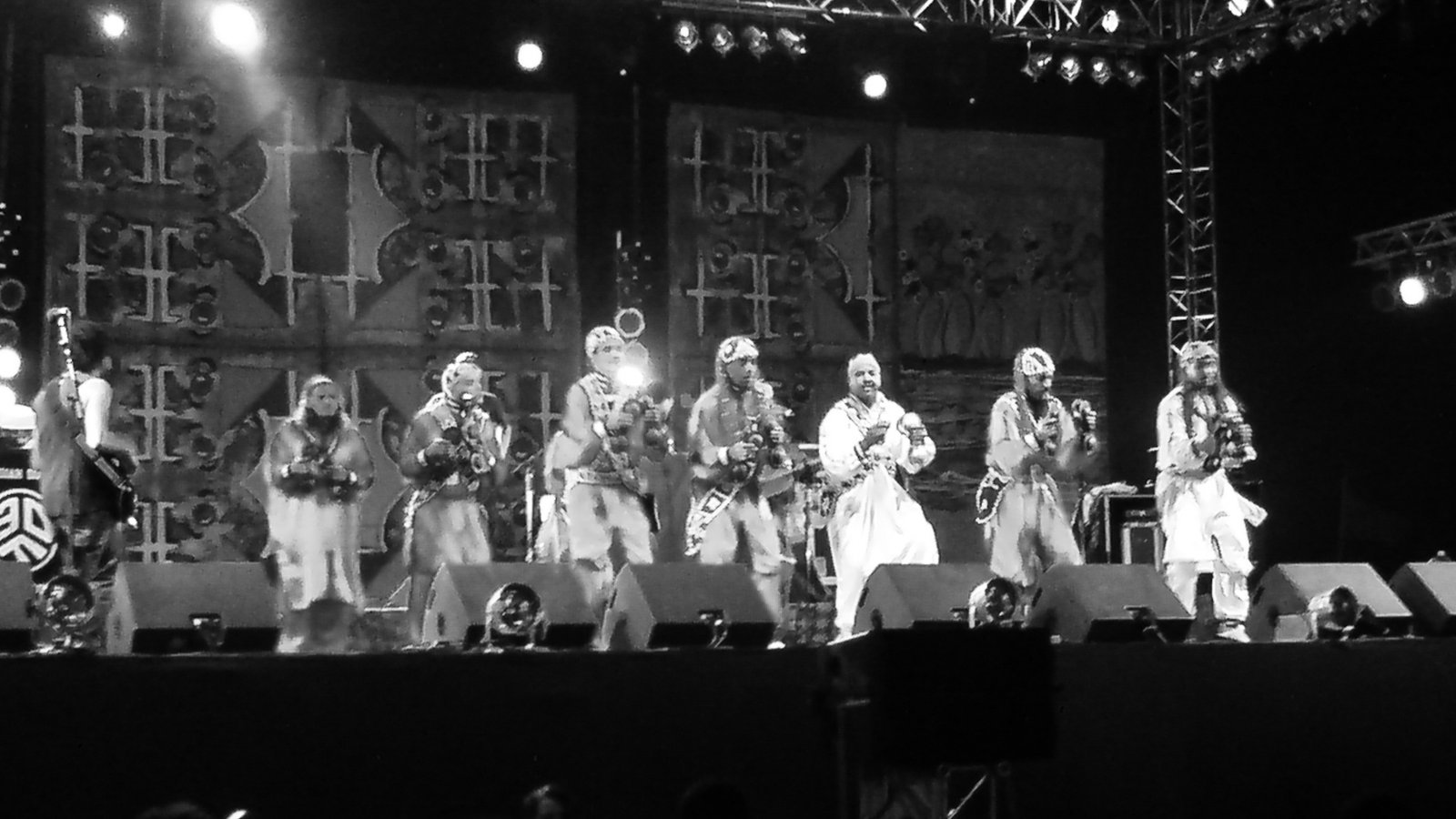
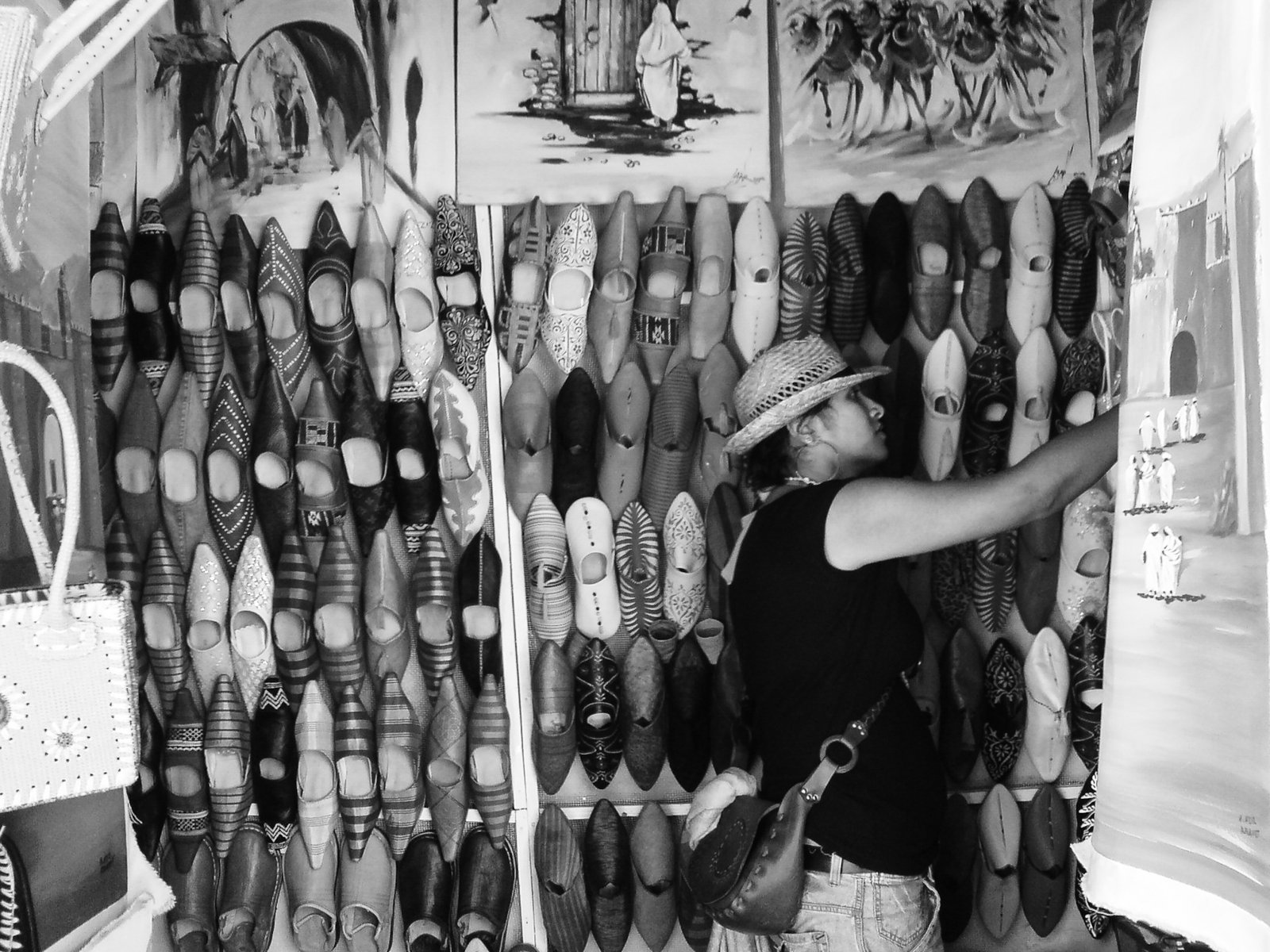
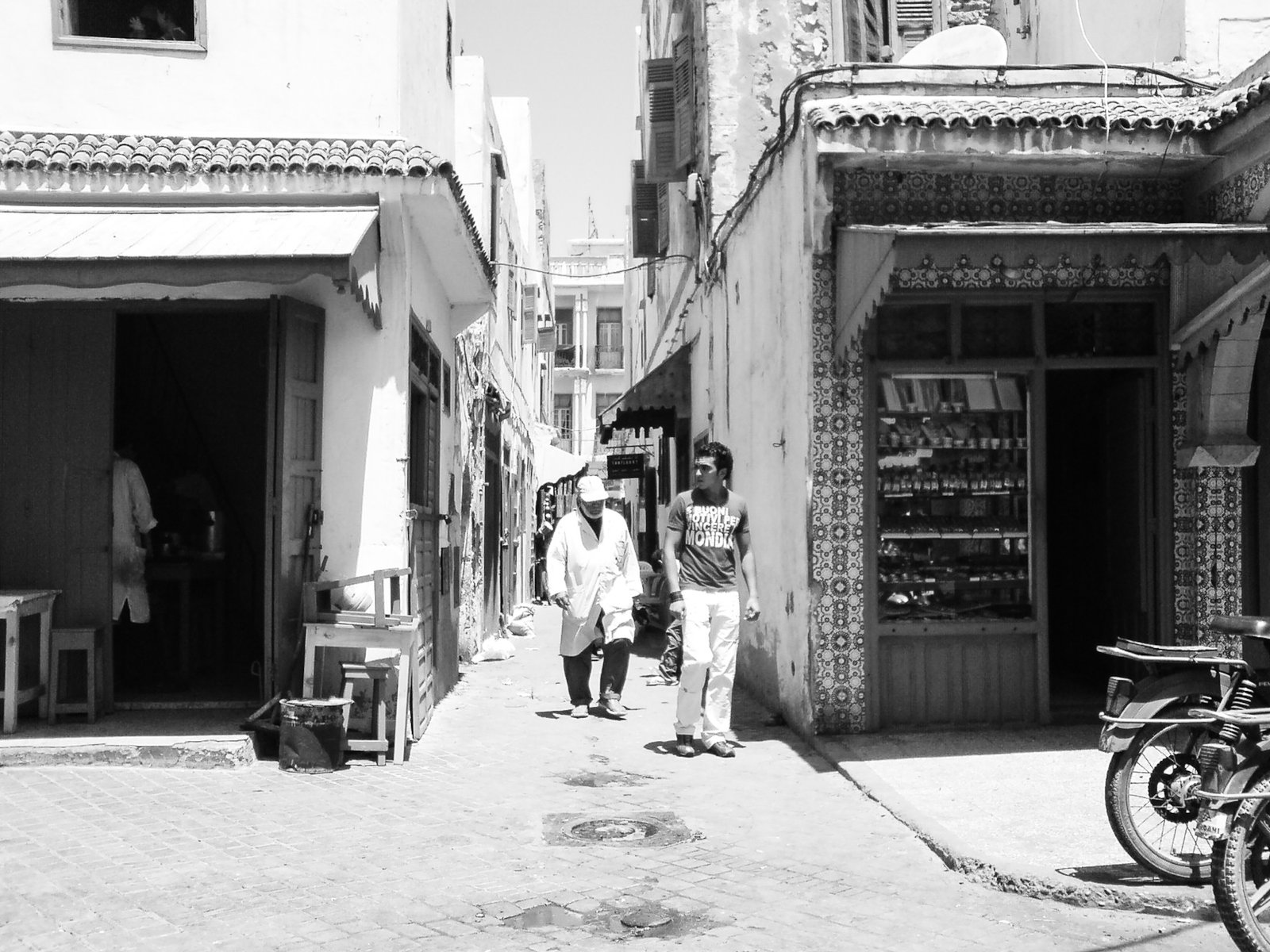
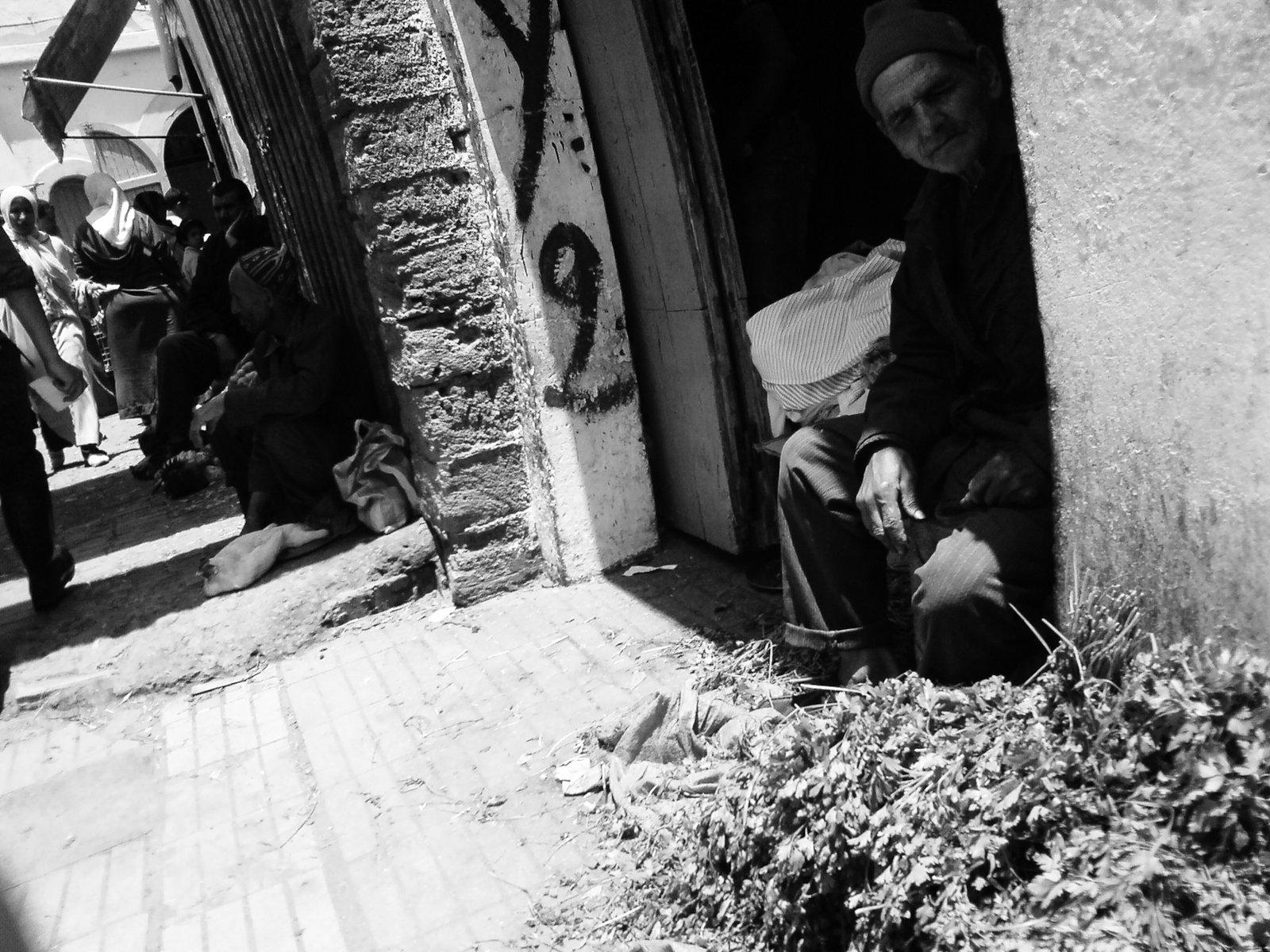
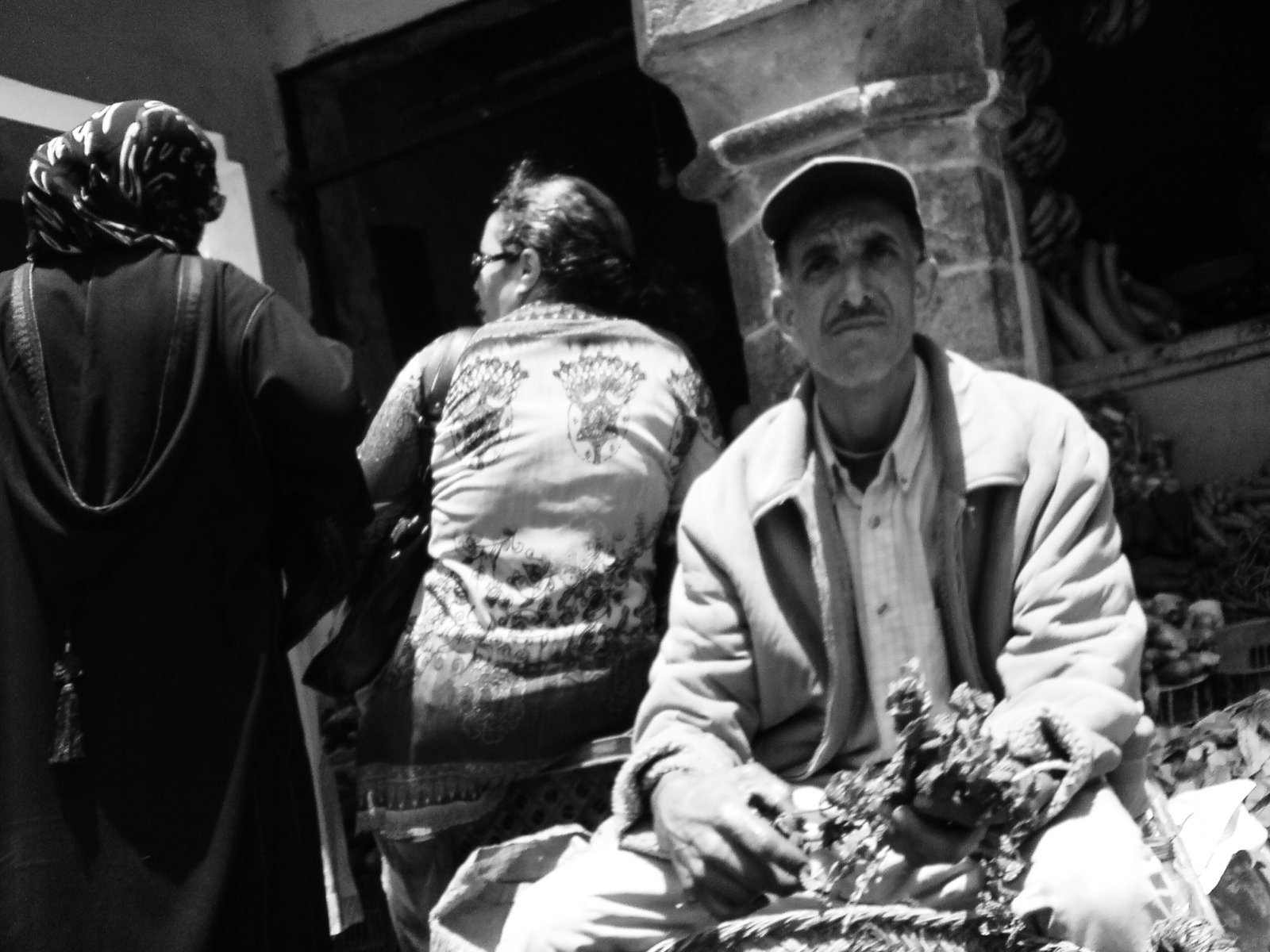
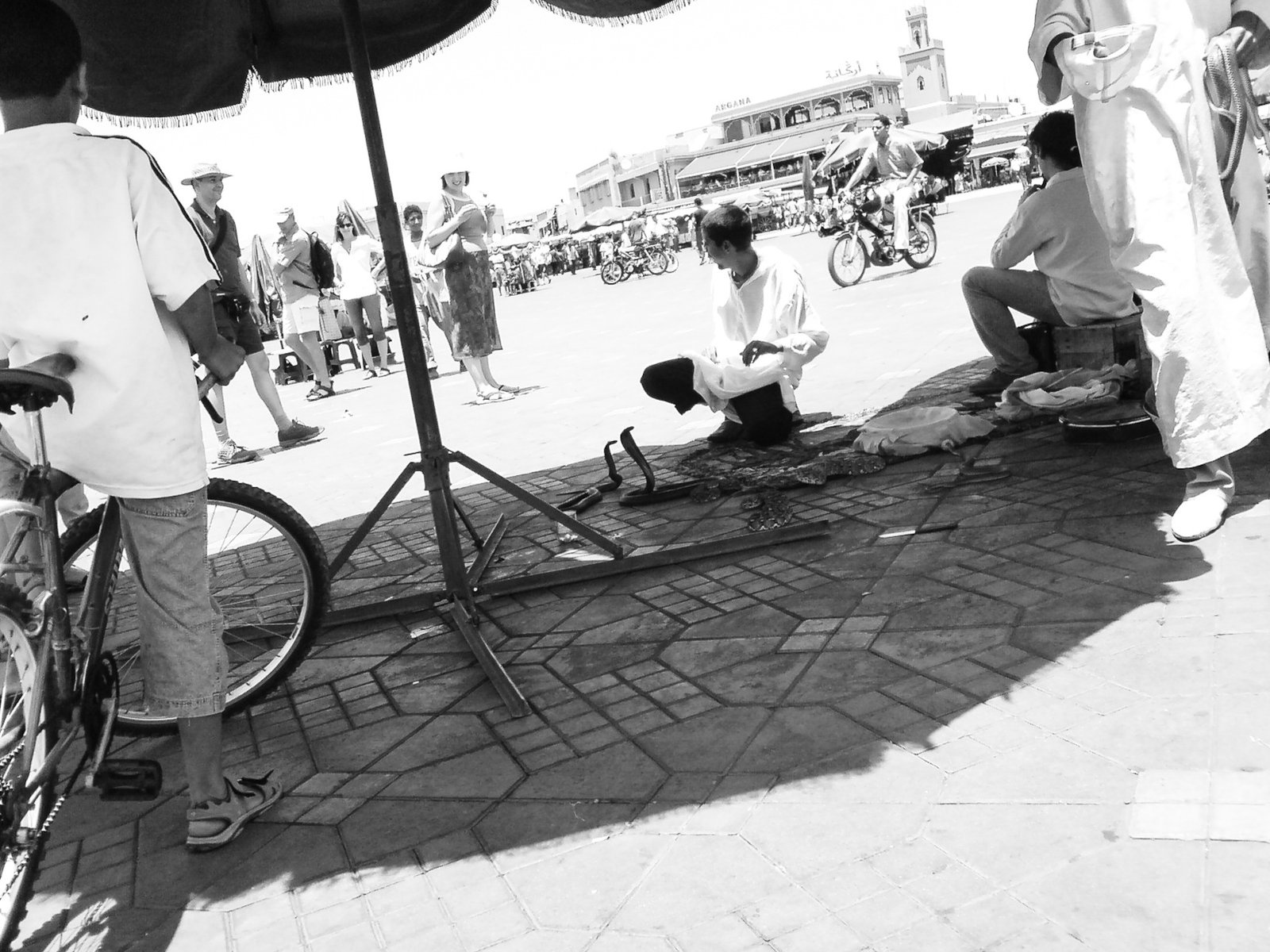
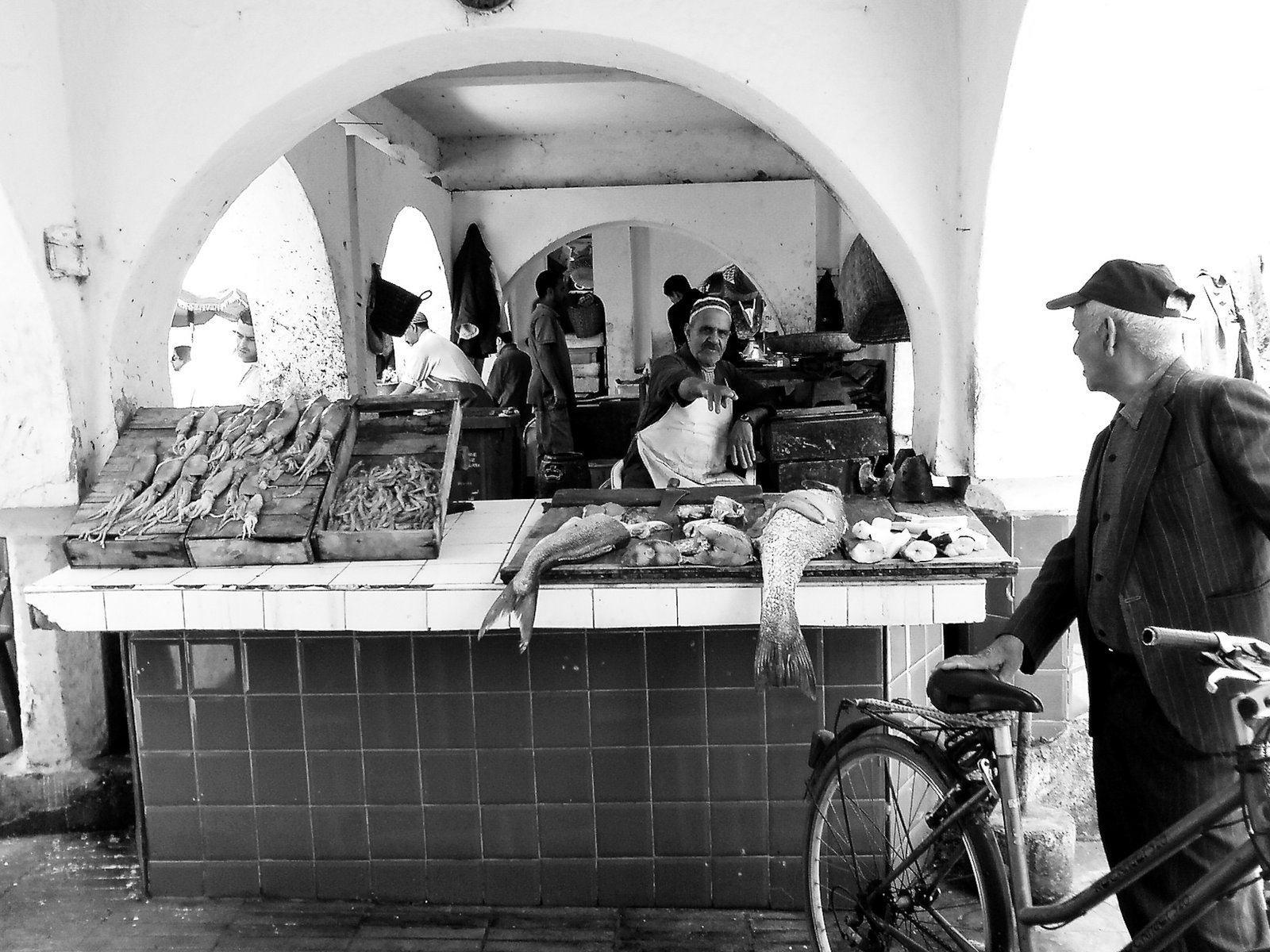
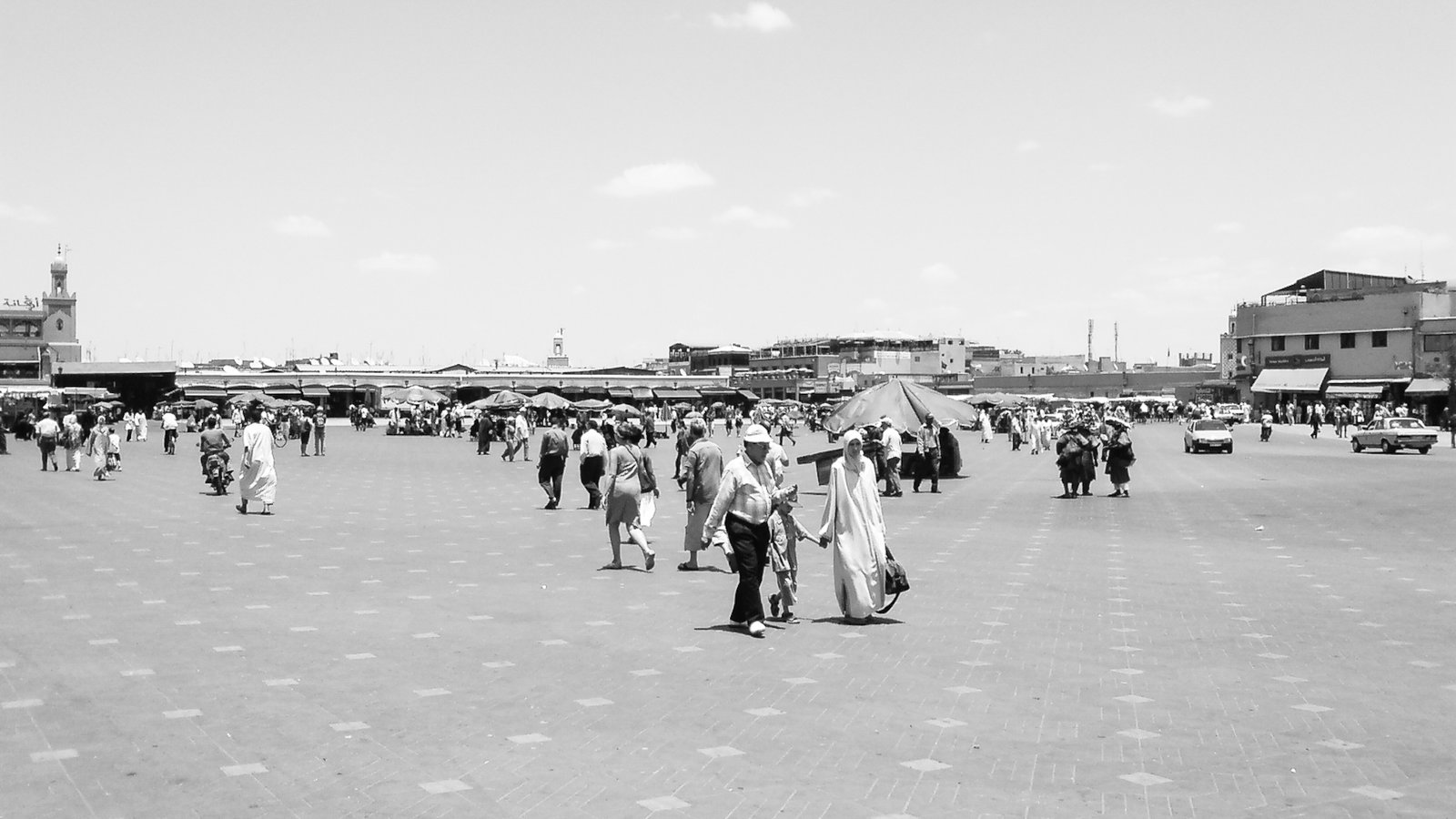
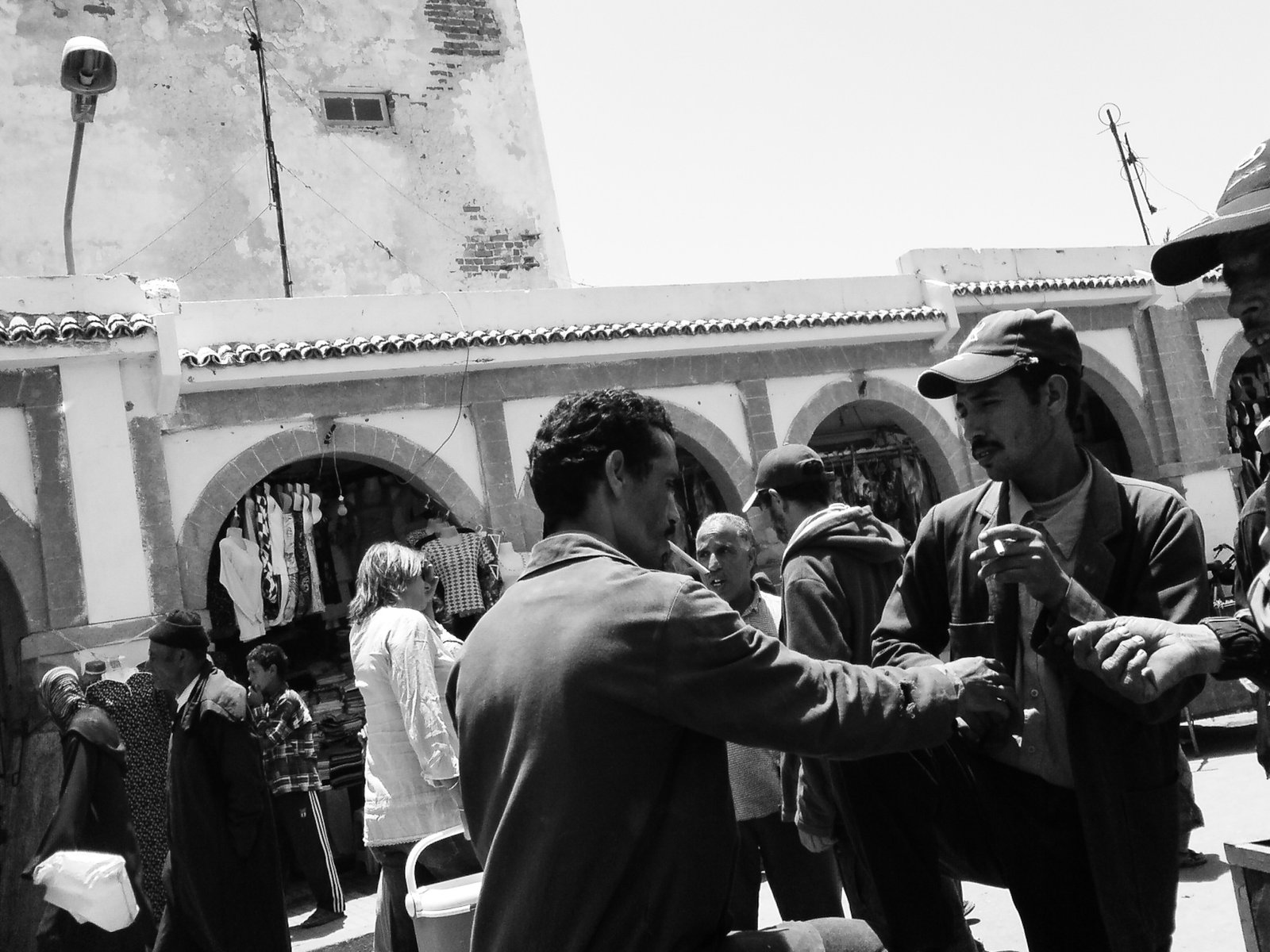
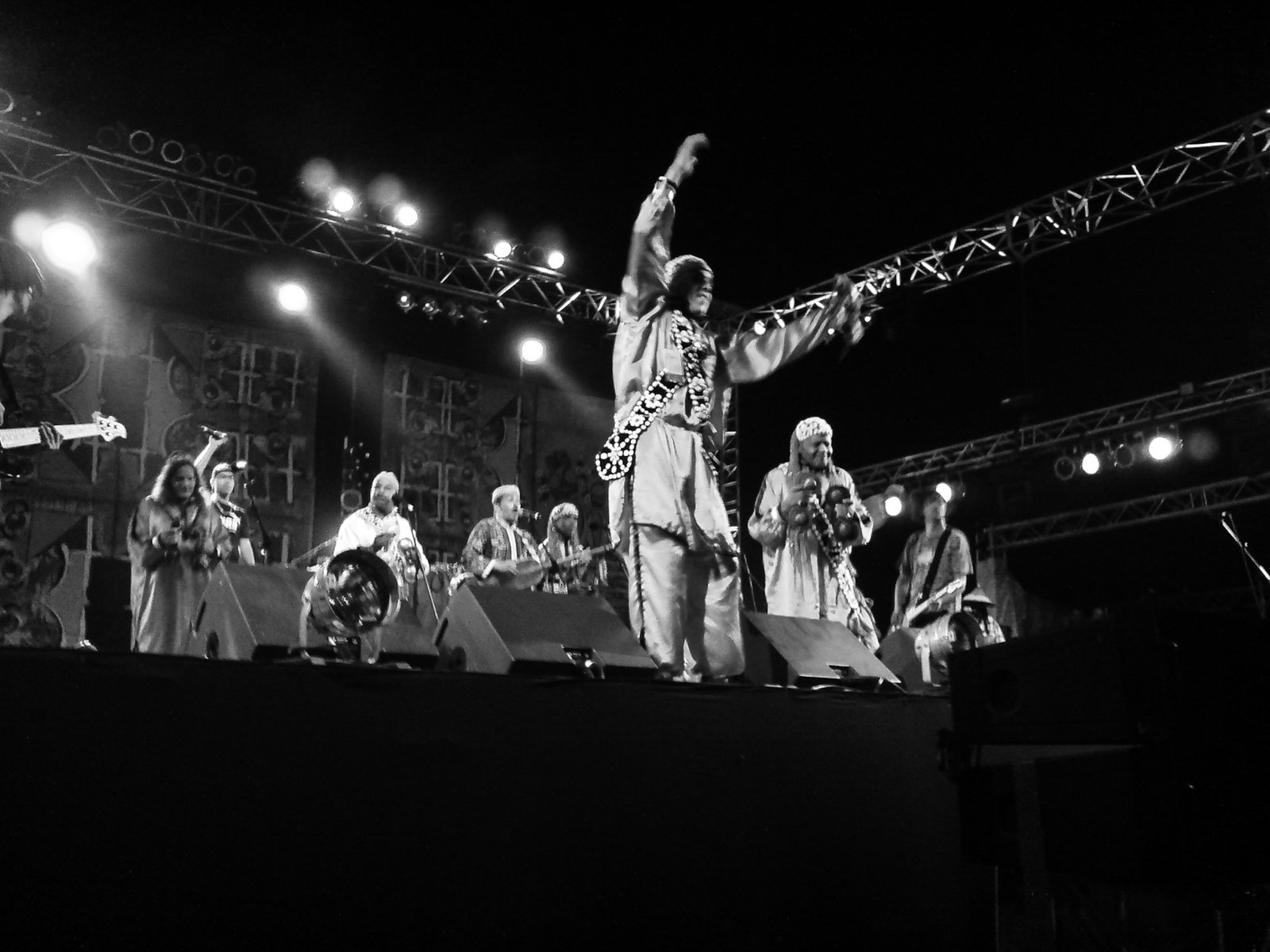
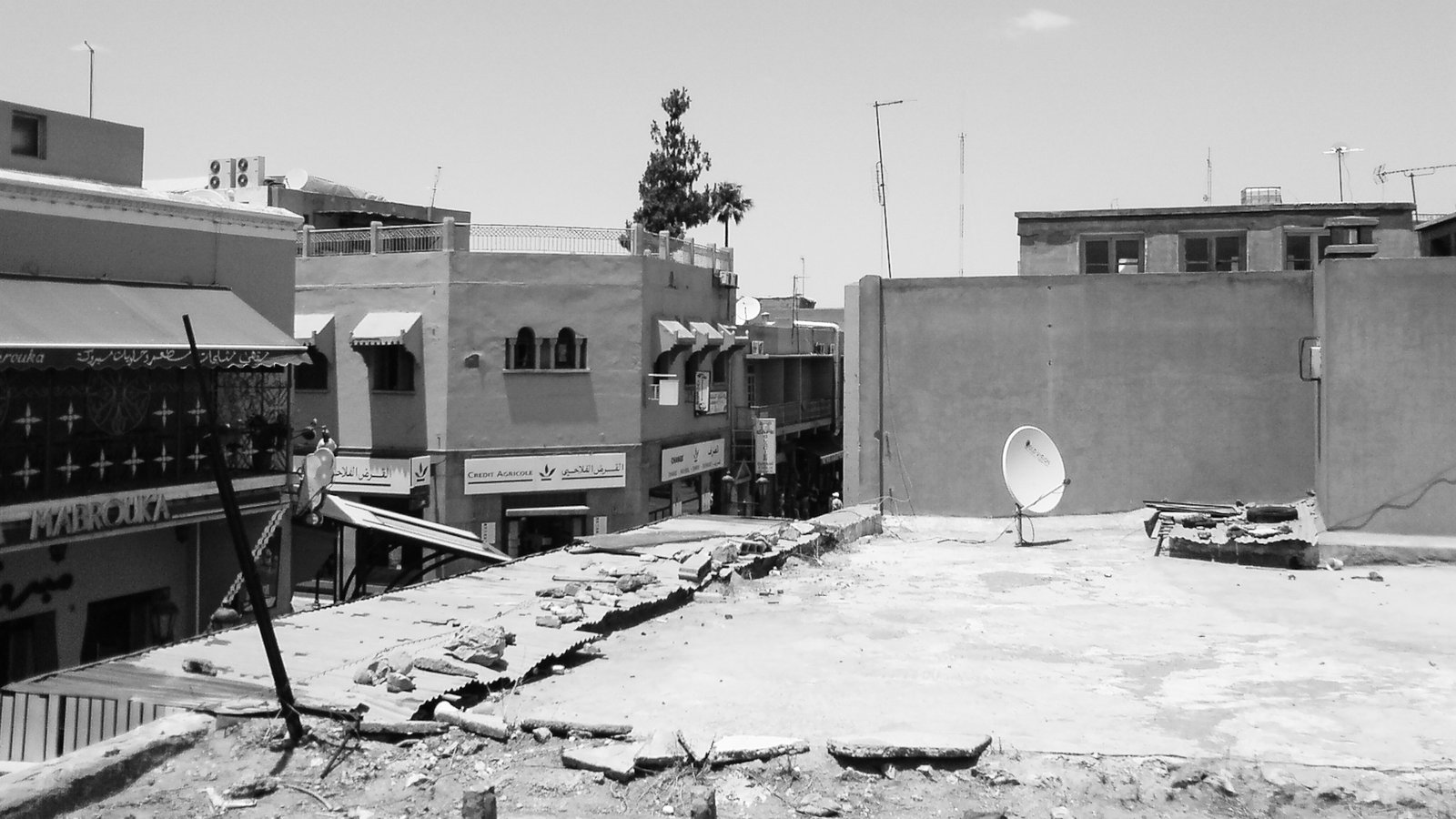
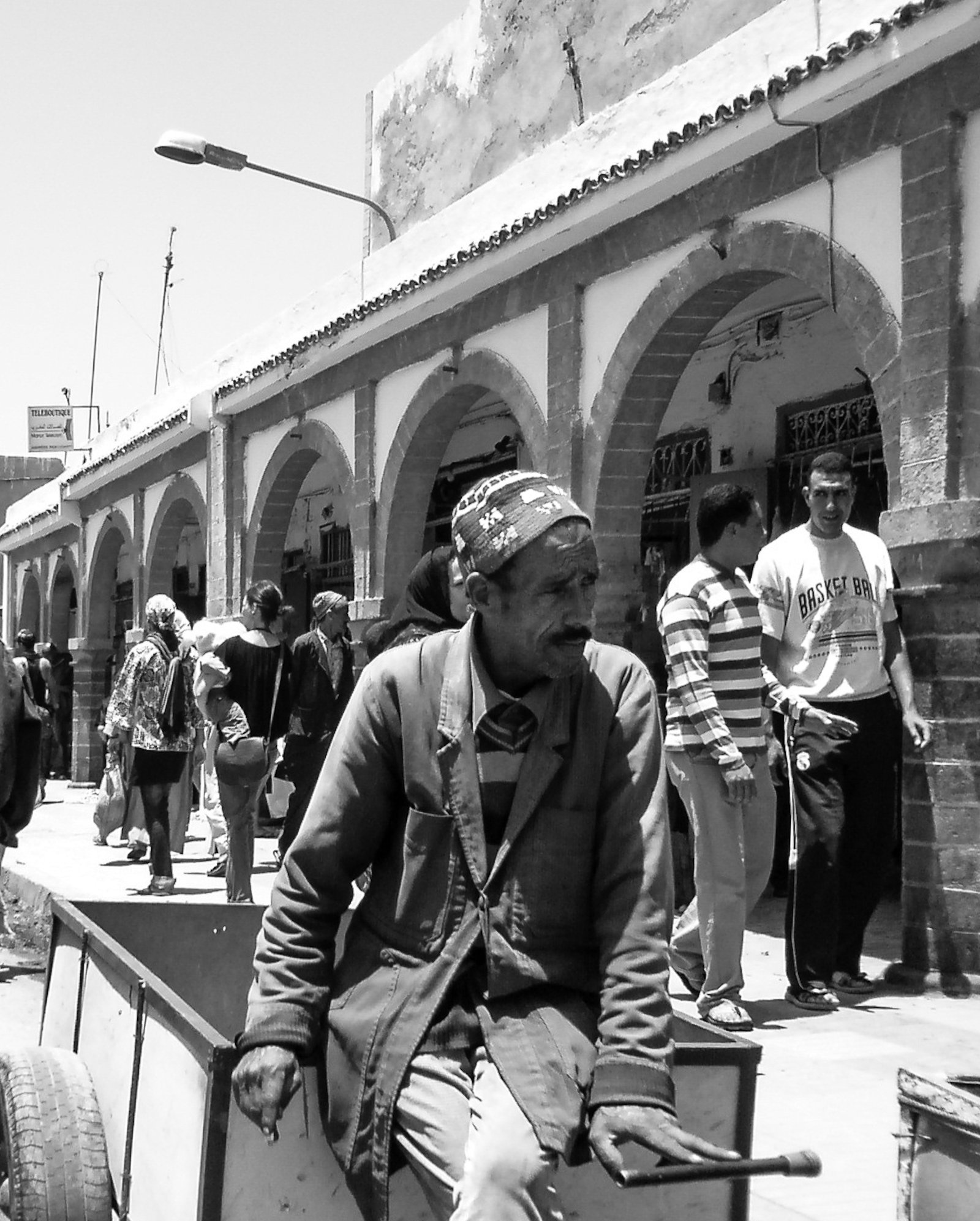
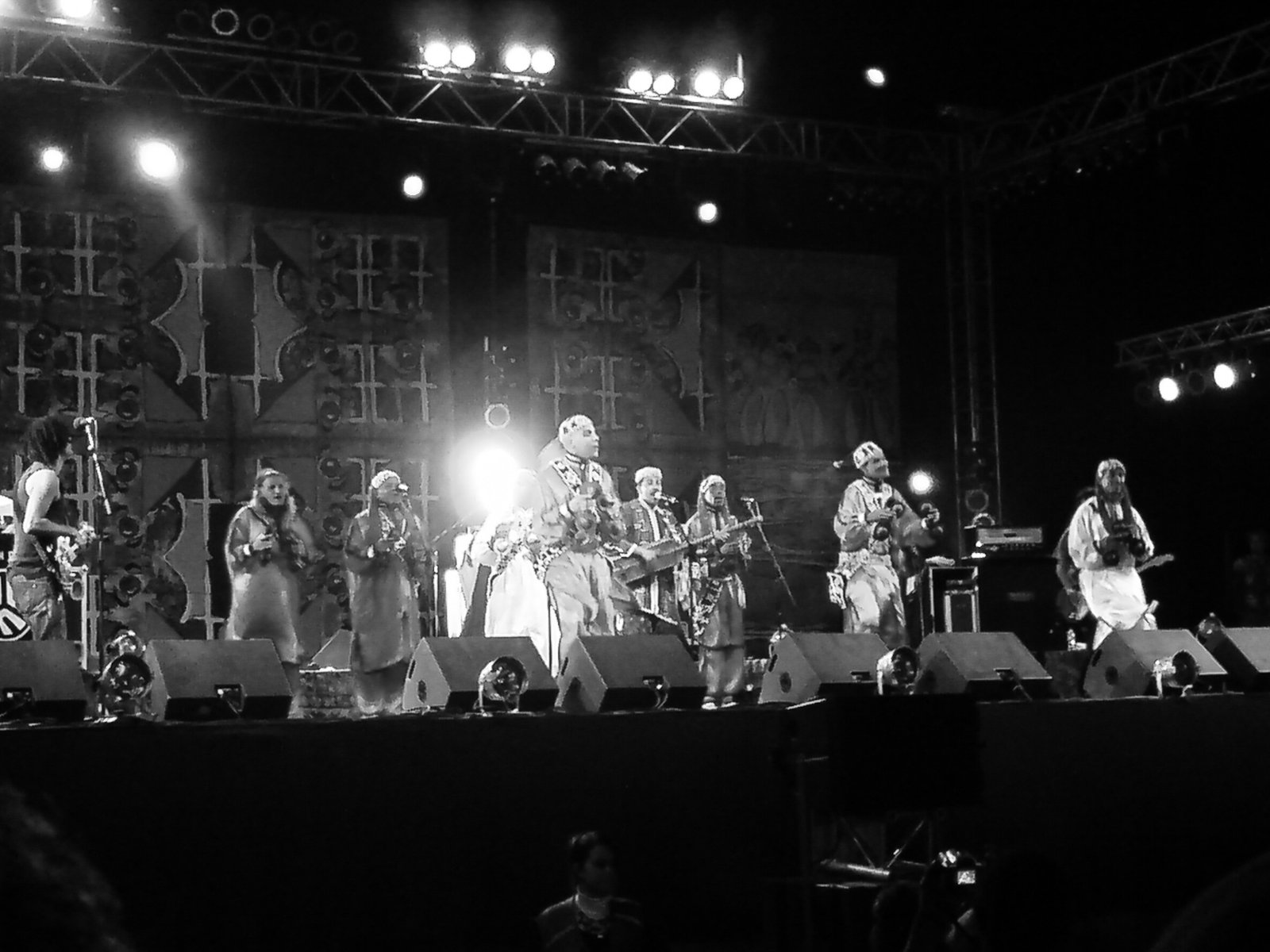
I had a choice when packing for this short trip to Morocco in 2007: pack my beloved OM10, knowing that the likelihood of losing or breaking it in the dense crowds of Essaouira’s annual Gnawa music festival were high, or try to get by using just the camera on my phone, a Sony k800. Reminding myself that I was going for the music, not the photography, I settled for the phone camera.
Needless to say, phone camera technology has come on quite a bit since then, and the quality of the resulting images is not great, but looking back I’m not so unhappy with my decision. I was able to relax and focus on being in the moment, whilst still capturing just enough in the grainy black and white images I took to be able to look back at the photos and relive the energy and vibrancy of an incredible weekend of music, adventure, and friendship.















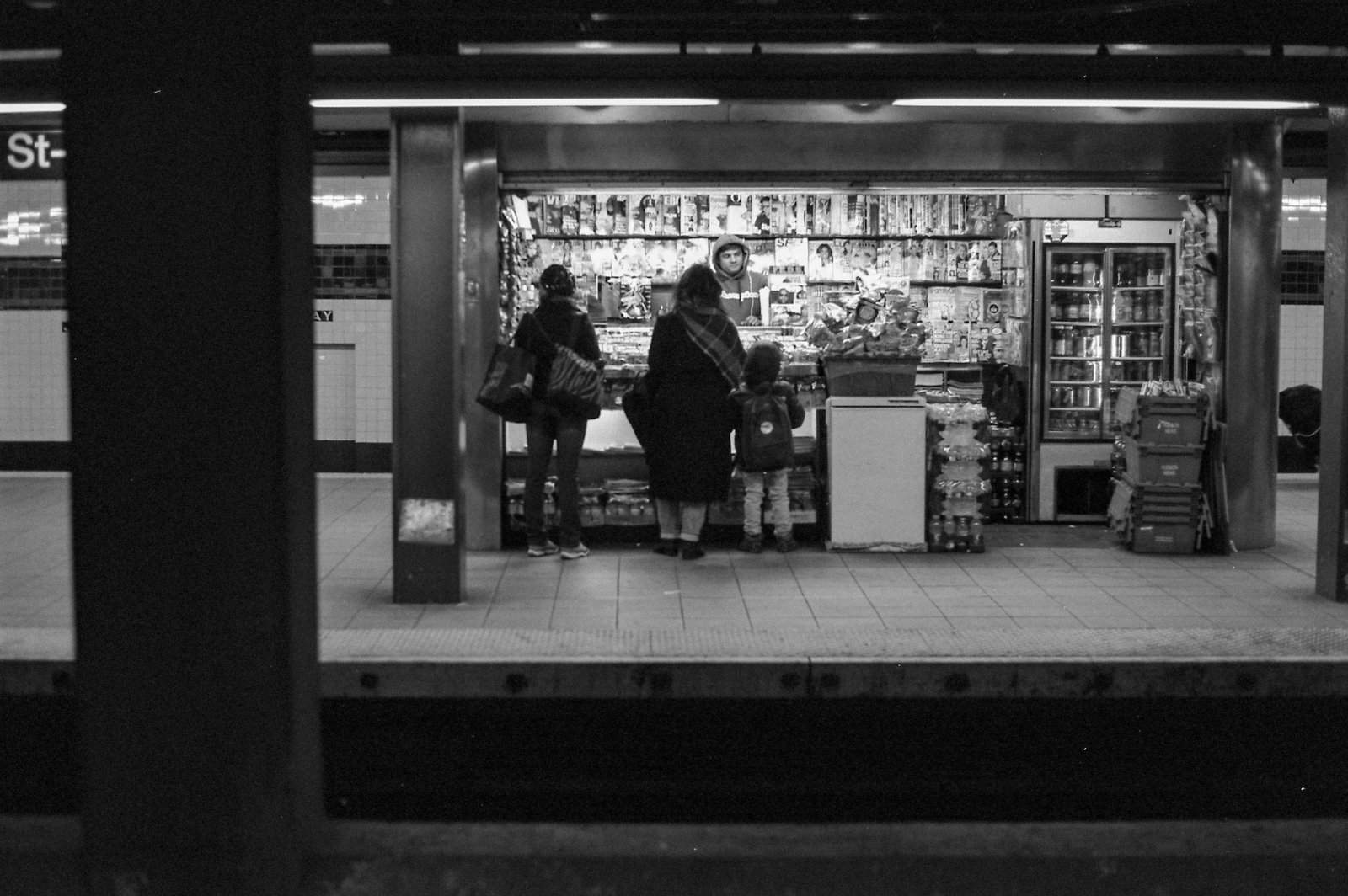
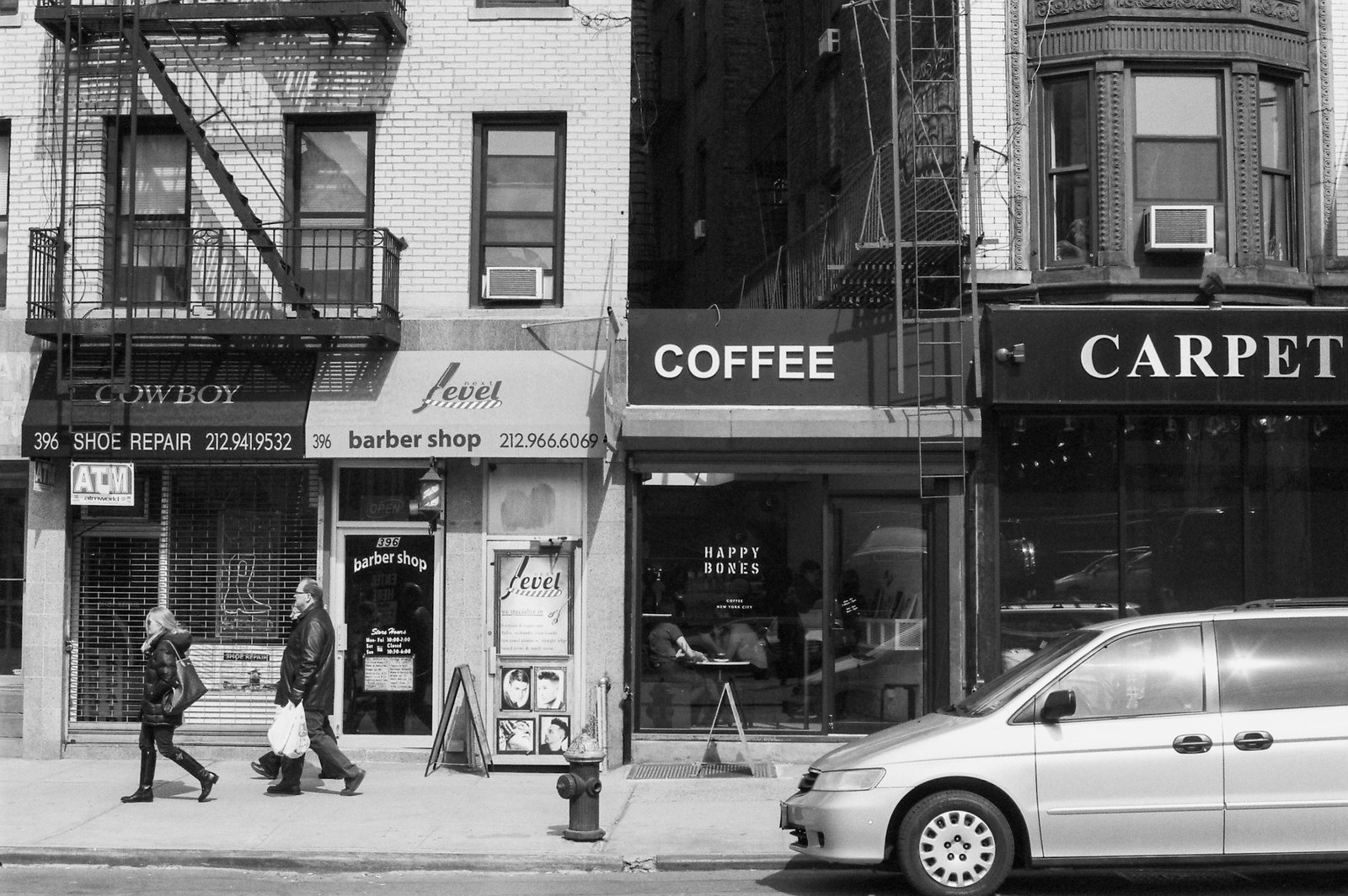
Back in 2014, a few months before the arrival of my first child, I took a business trip to New York. Along with the usual laptop and suits, I took my trusty Olympus OM10 and a few rolls of Ilford HP5. The weekends bookending the trip were spent walking the streets of Manhattan and Brooklyn, soaking up the raw energy of the city and snapping a few photos. I remember I was going through a period of anxiety at the time, and found the usual calm and solace in the practice of making photographs – creative meditation for the mind.
For the second weekend, my wife joined me – 5 months pregnant – and we had one of the most spontaneously wonderful weekends of my life, taking in live music, city sights, sports and culture back to back over the course of just three days. A highlight was catching Tinariwen live at Brooklyn Bowl, an experience I must rely on my mind to remember as I had neither film nor flash for my OM10.




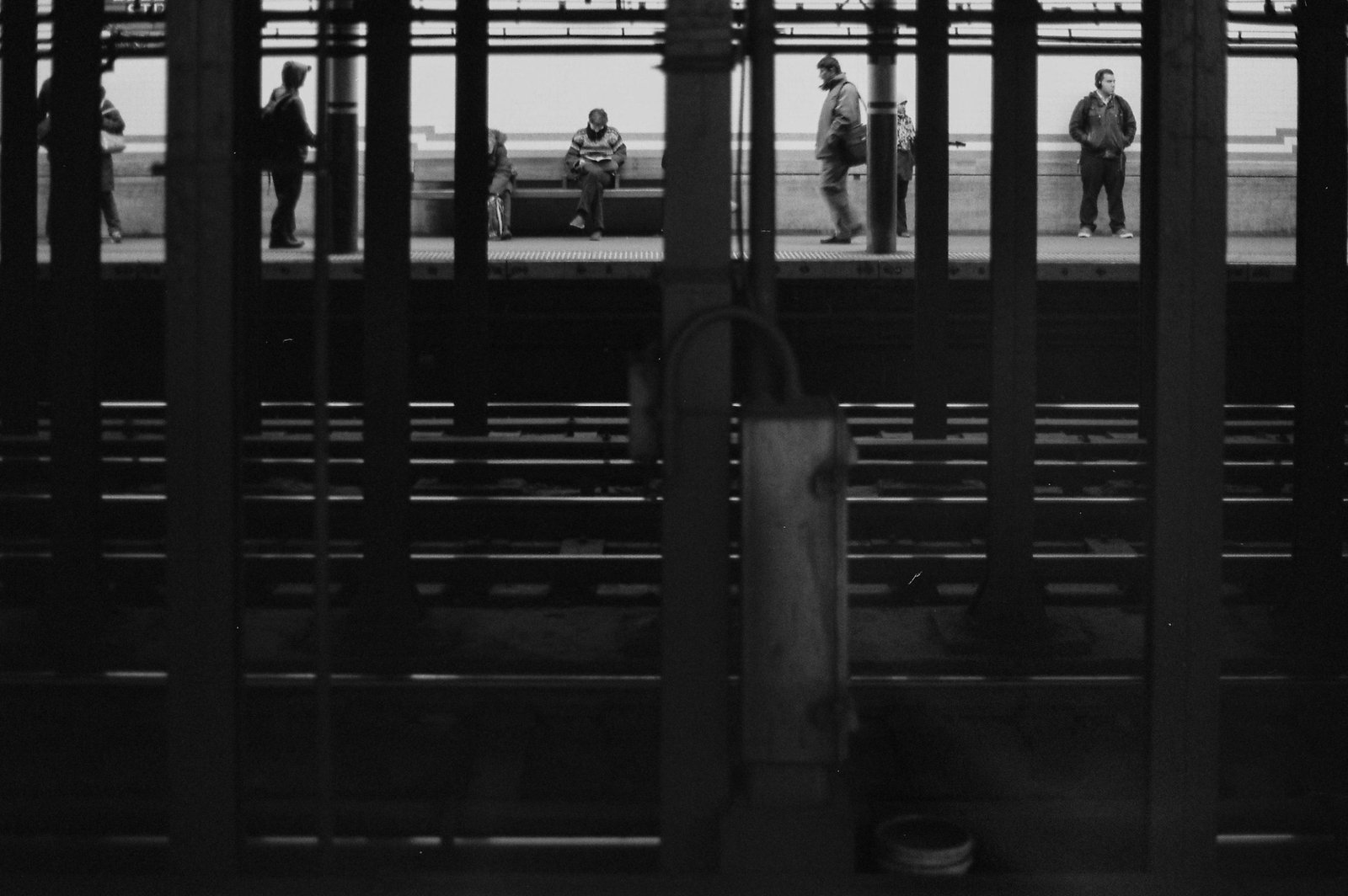




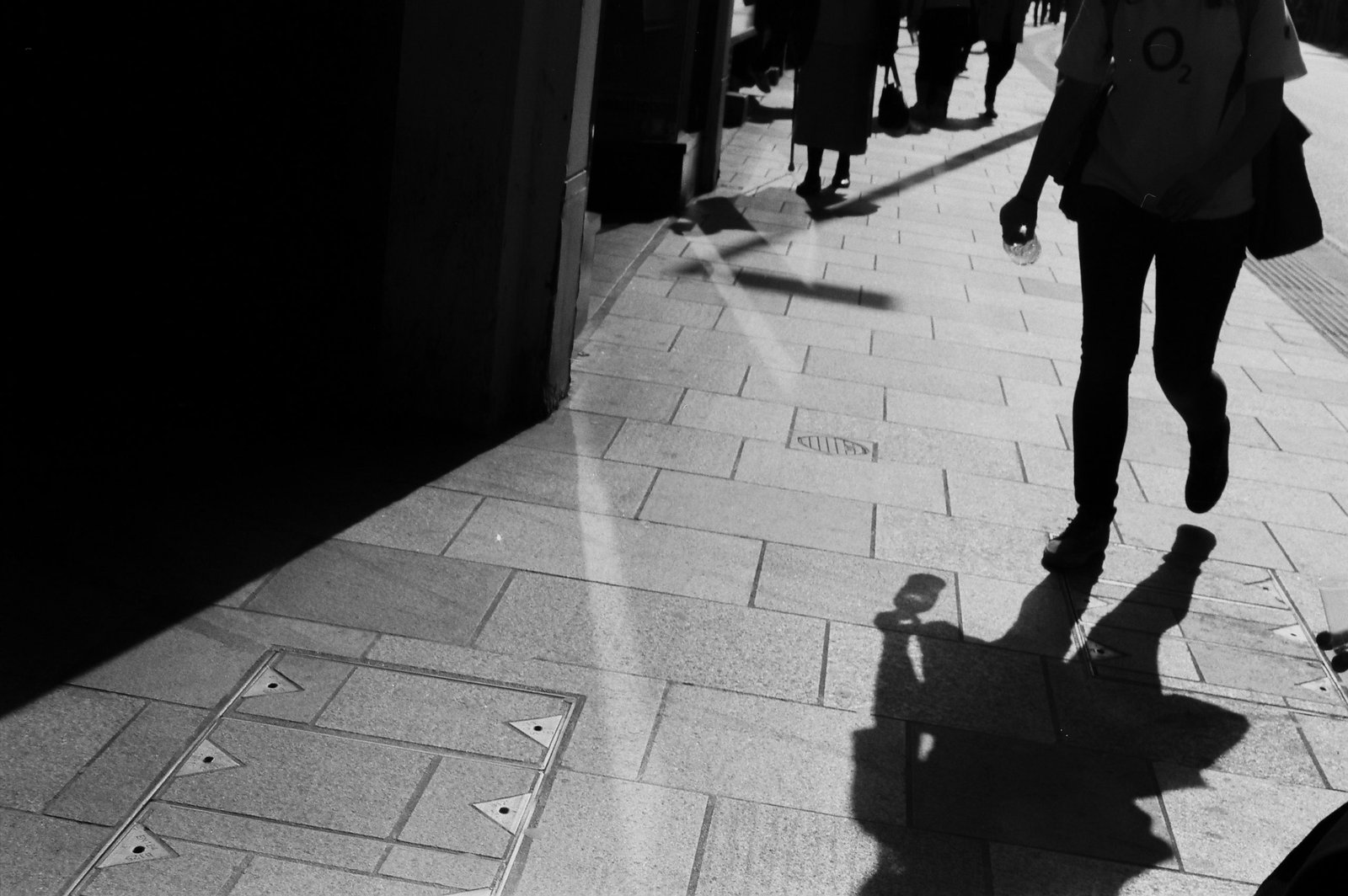
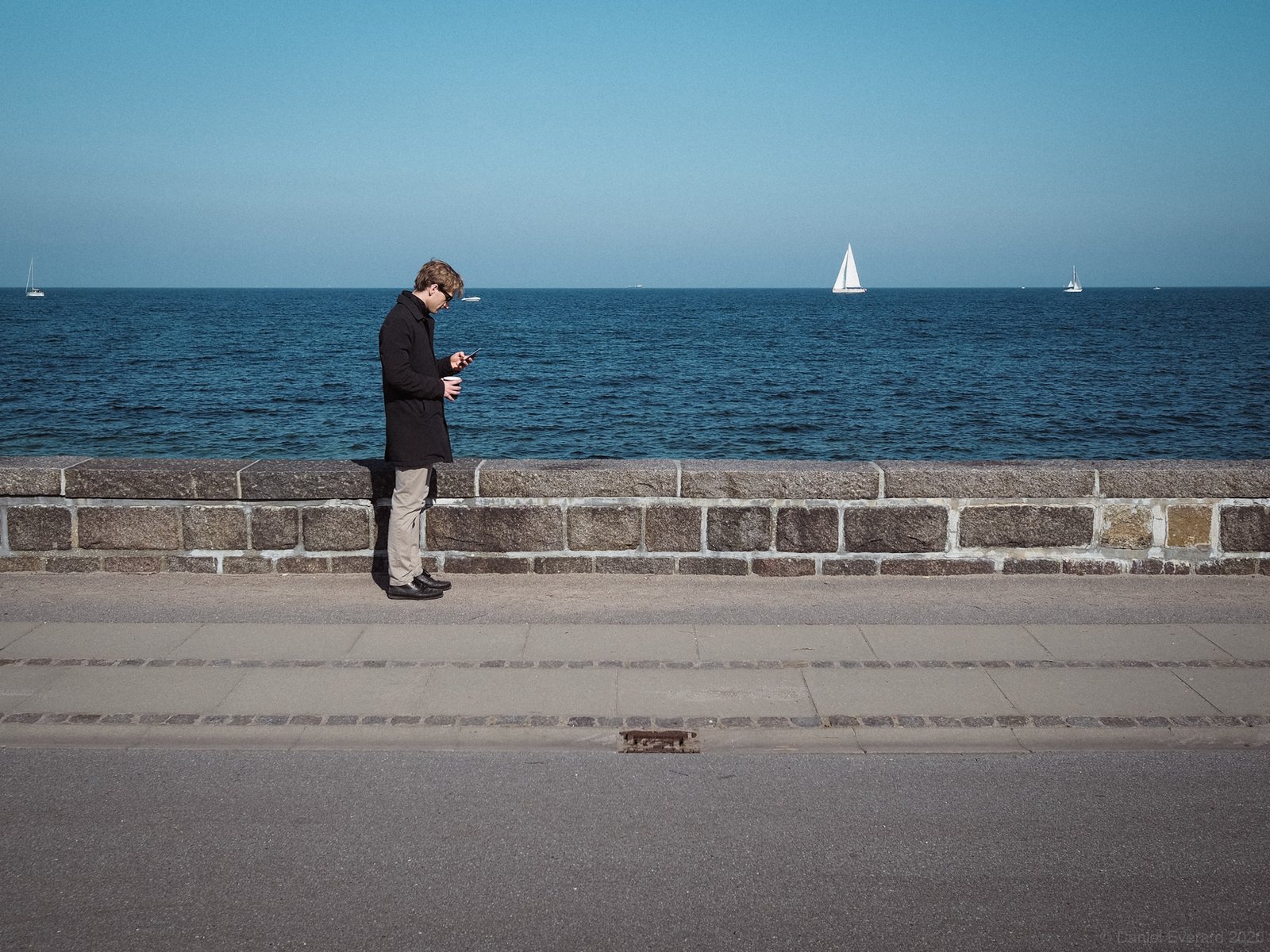
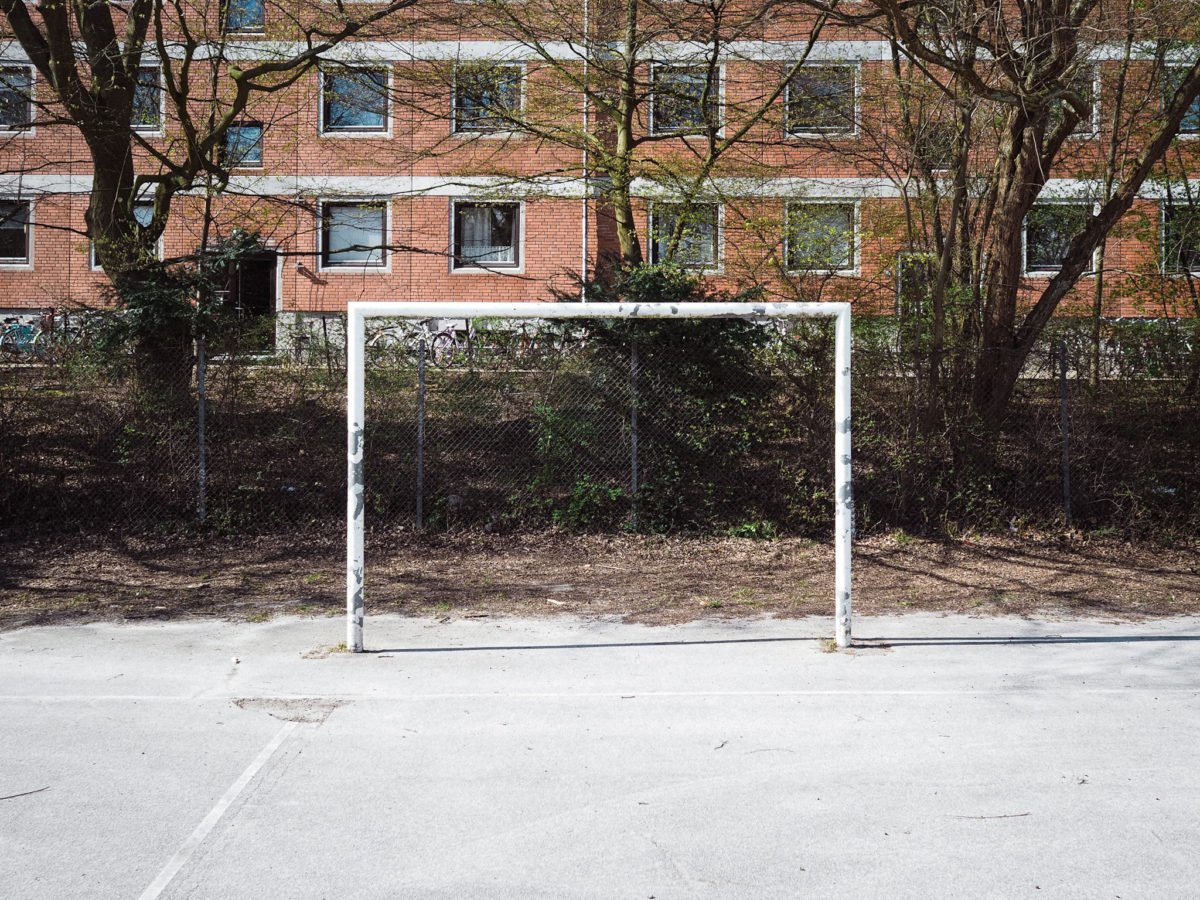
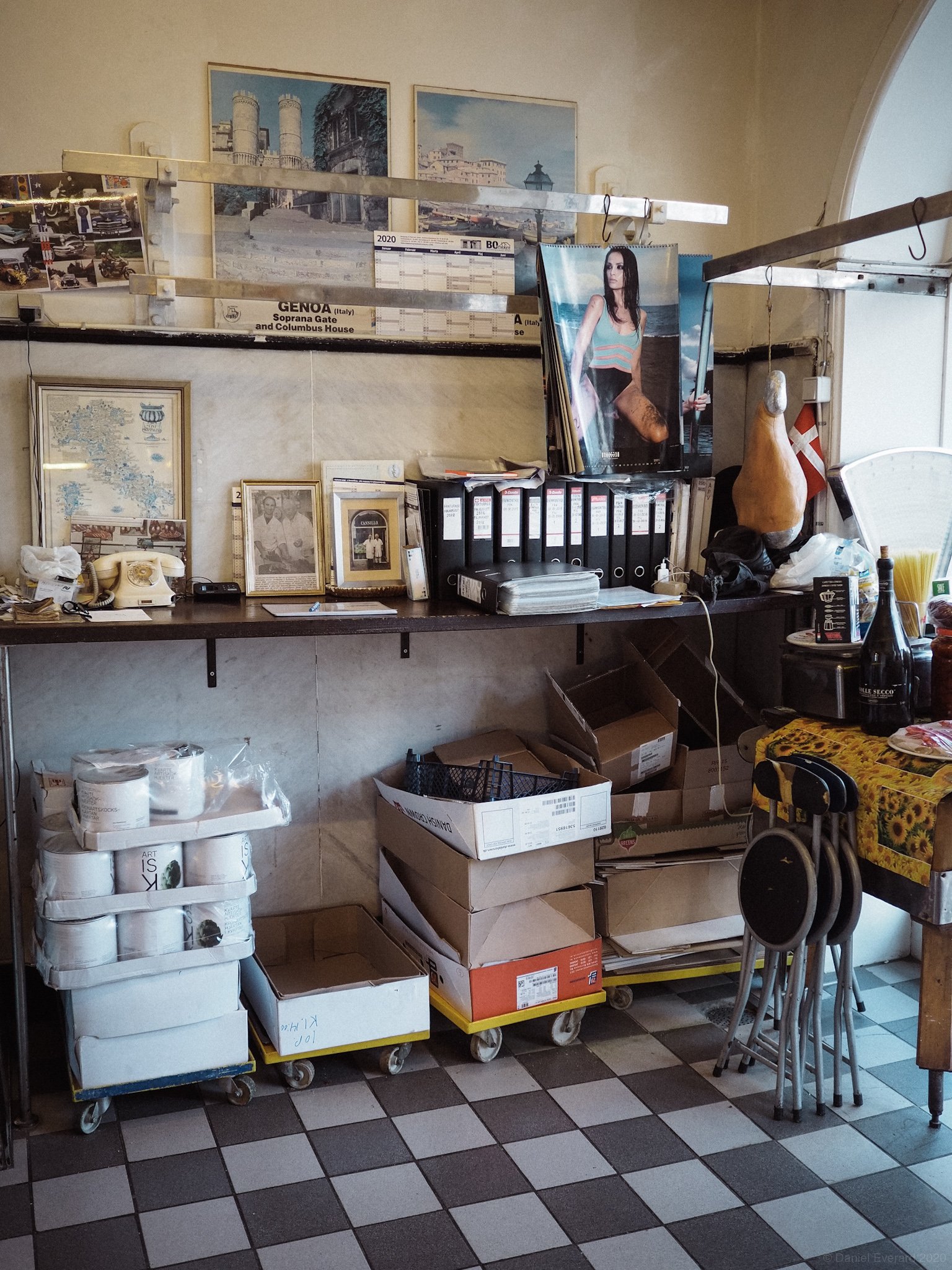
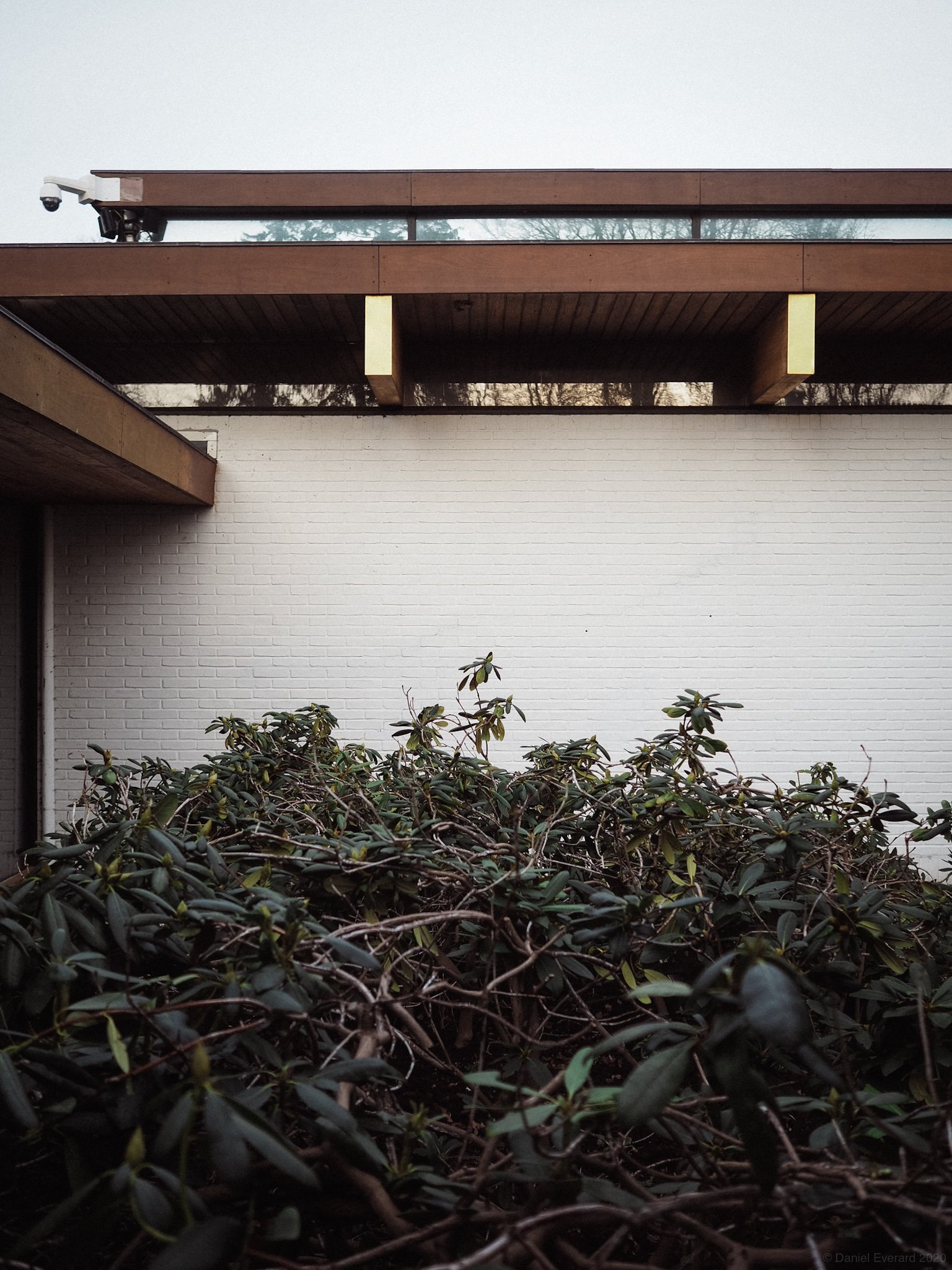
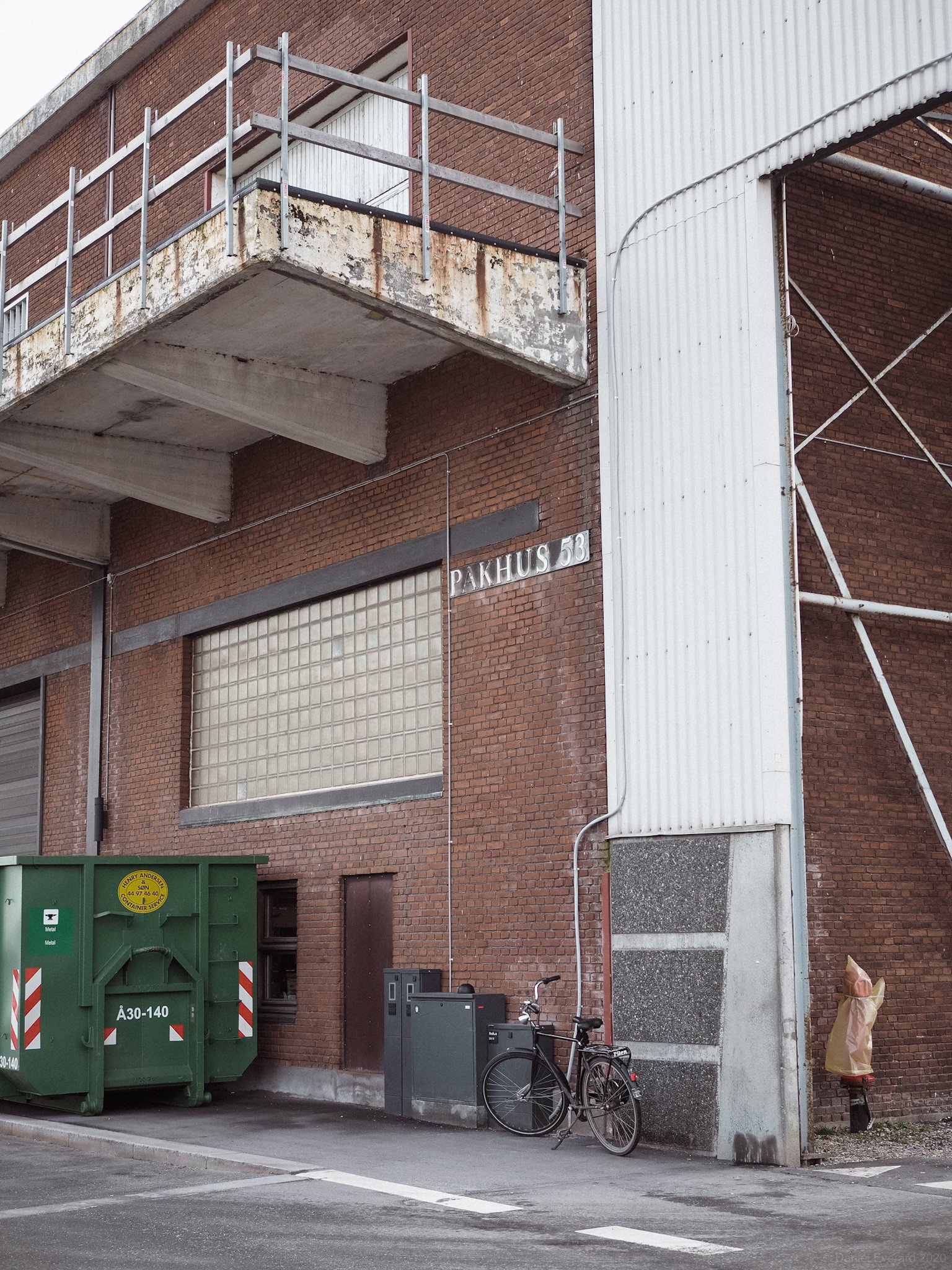
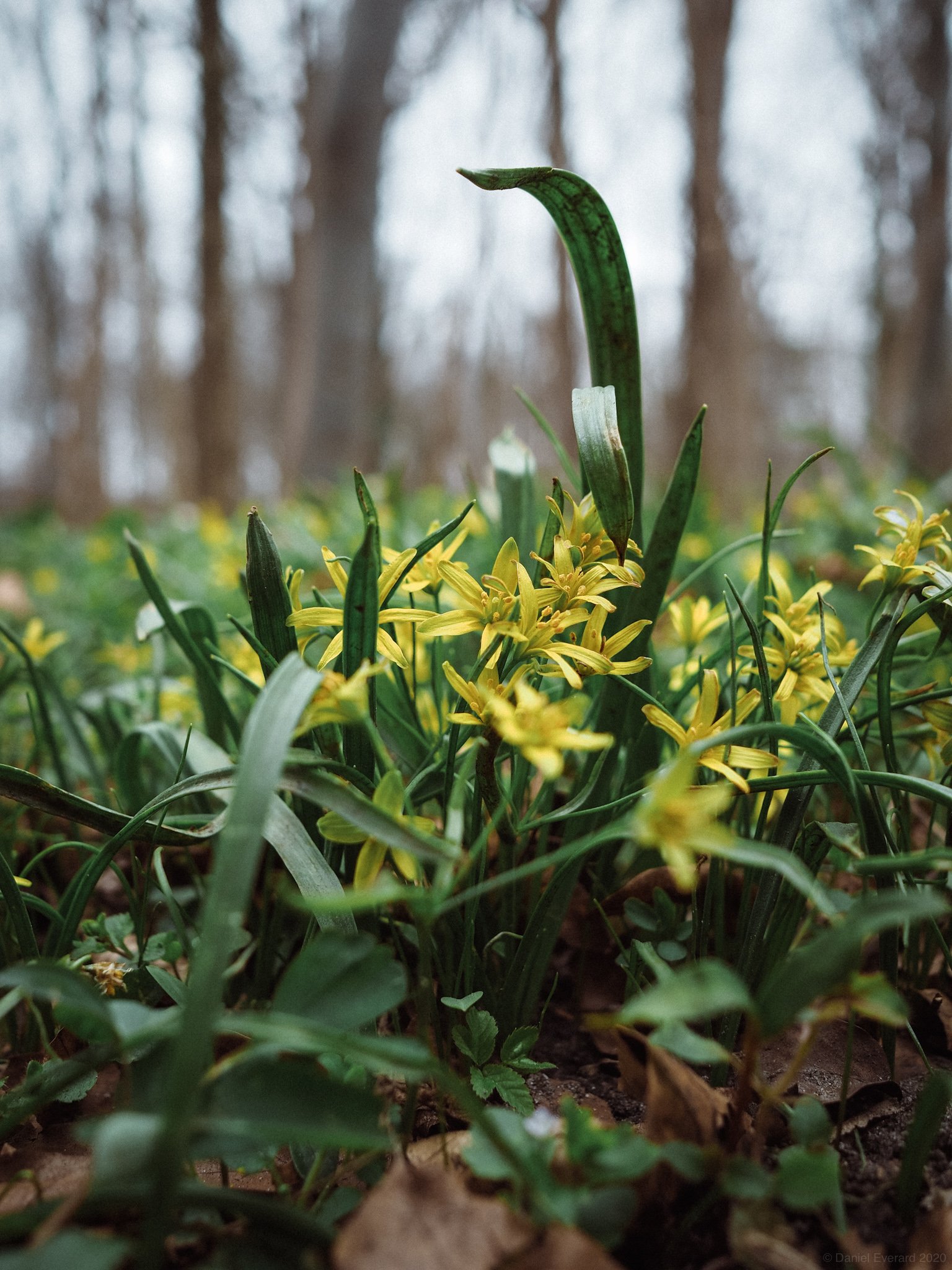
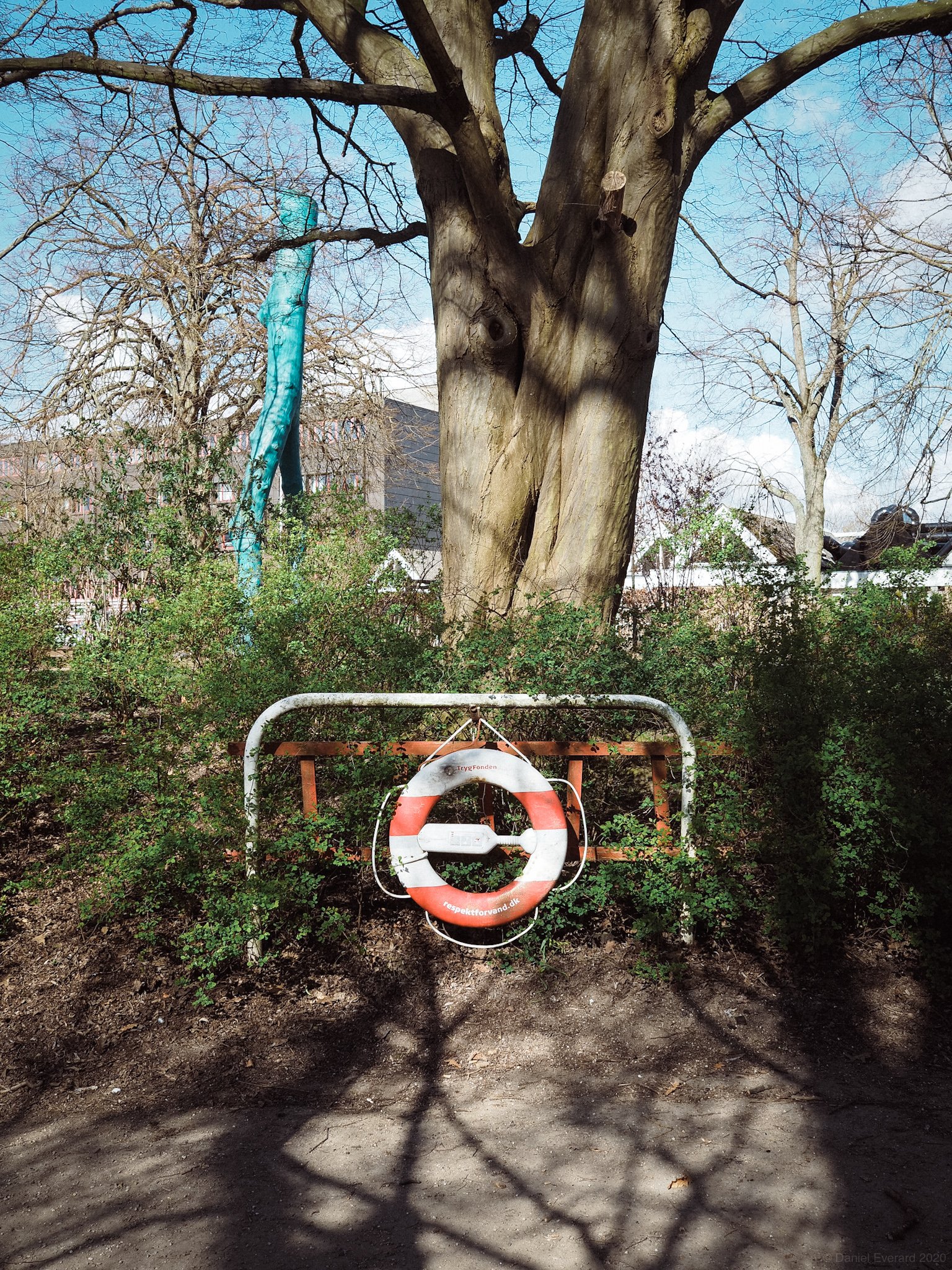
A short series of snapshots from Spring 2020.



















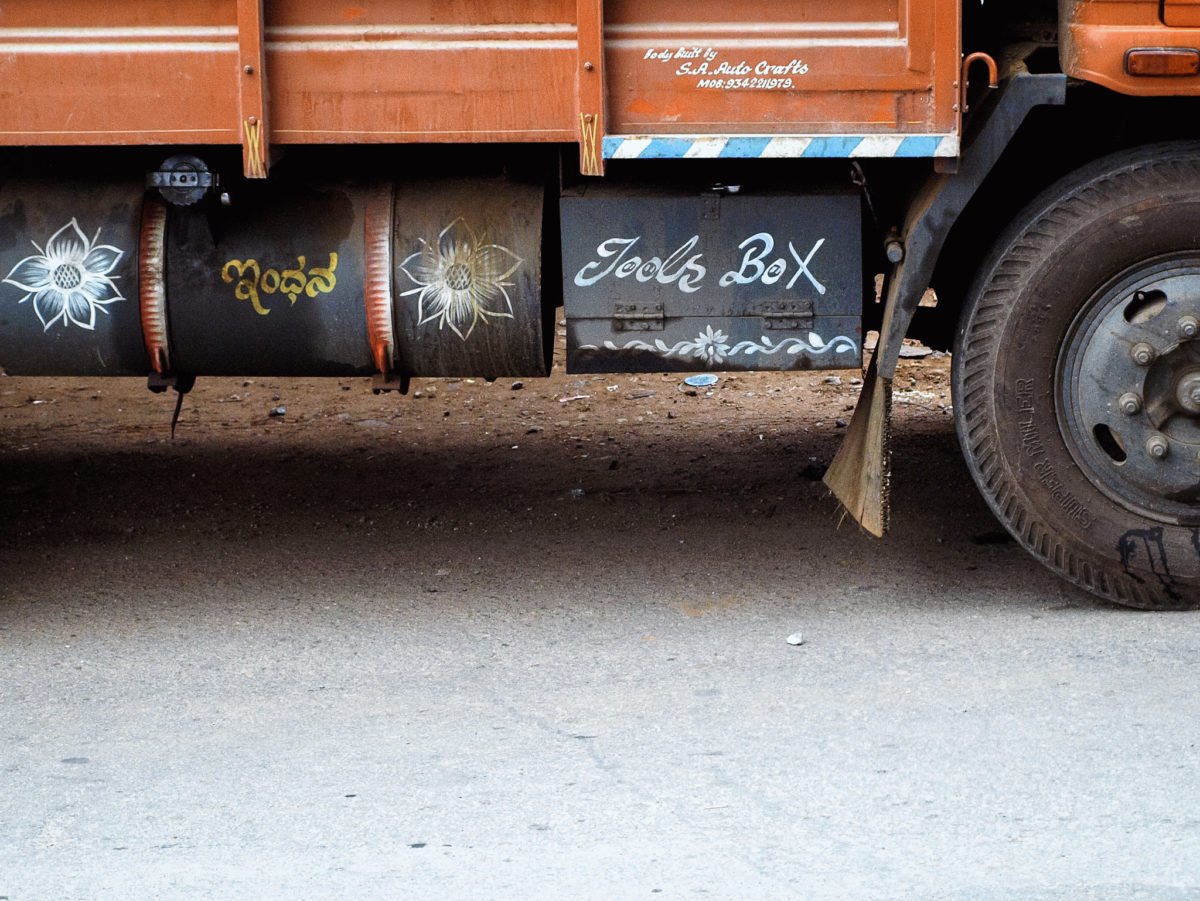
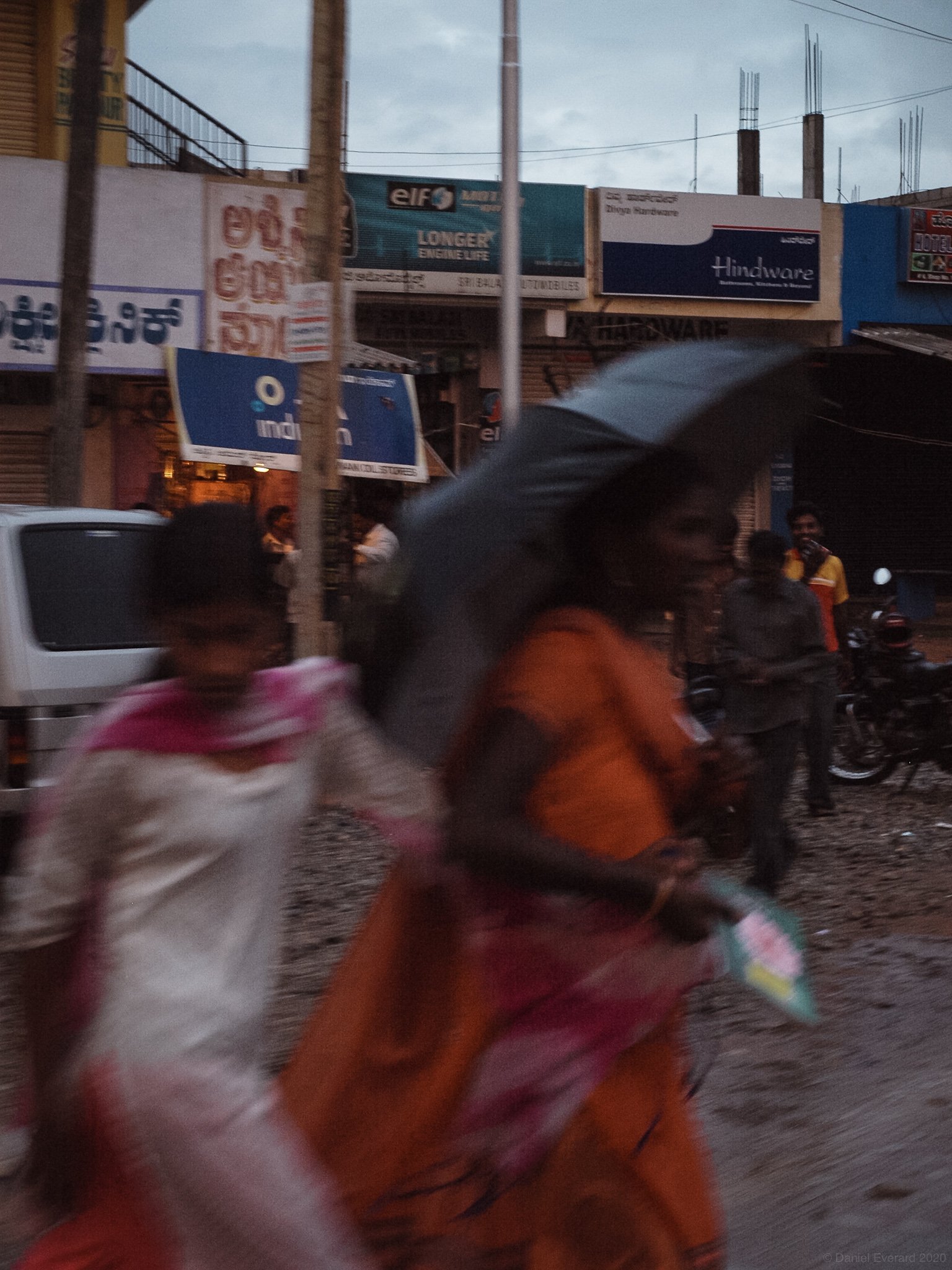
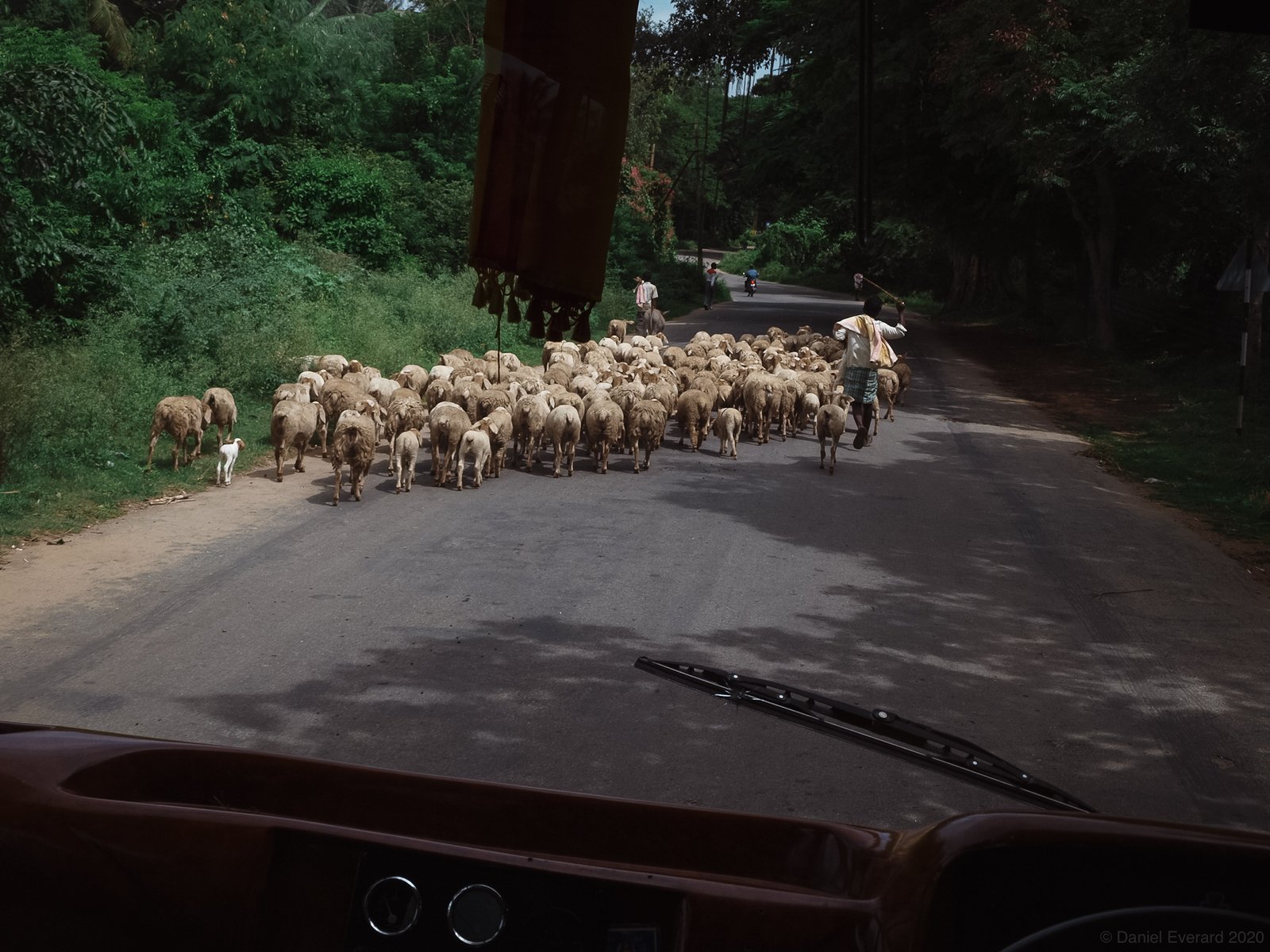
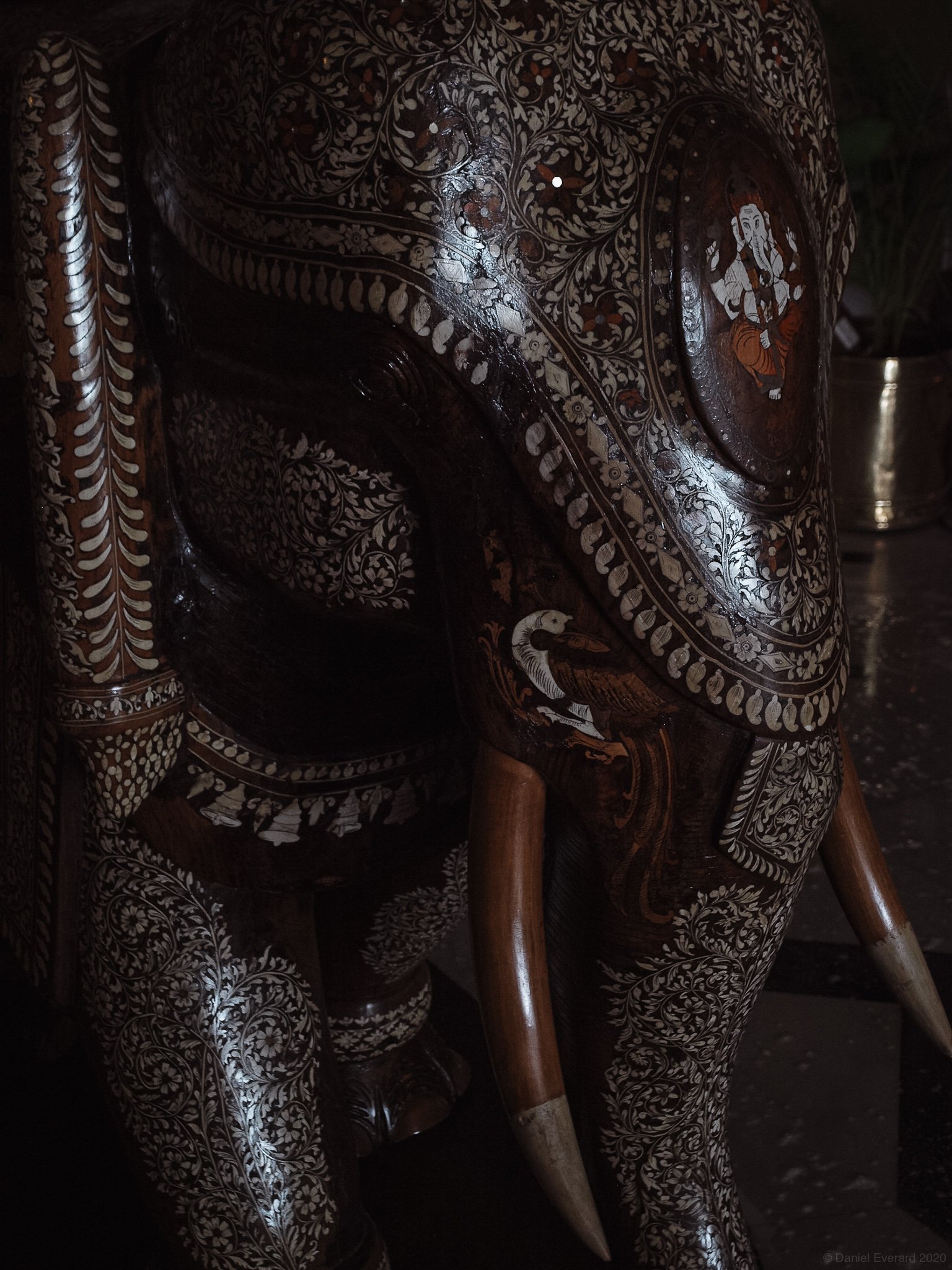
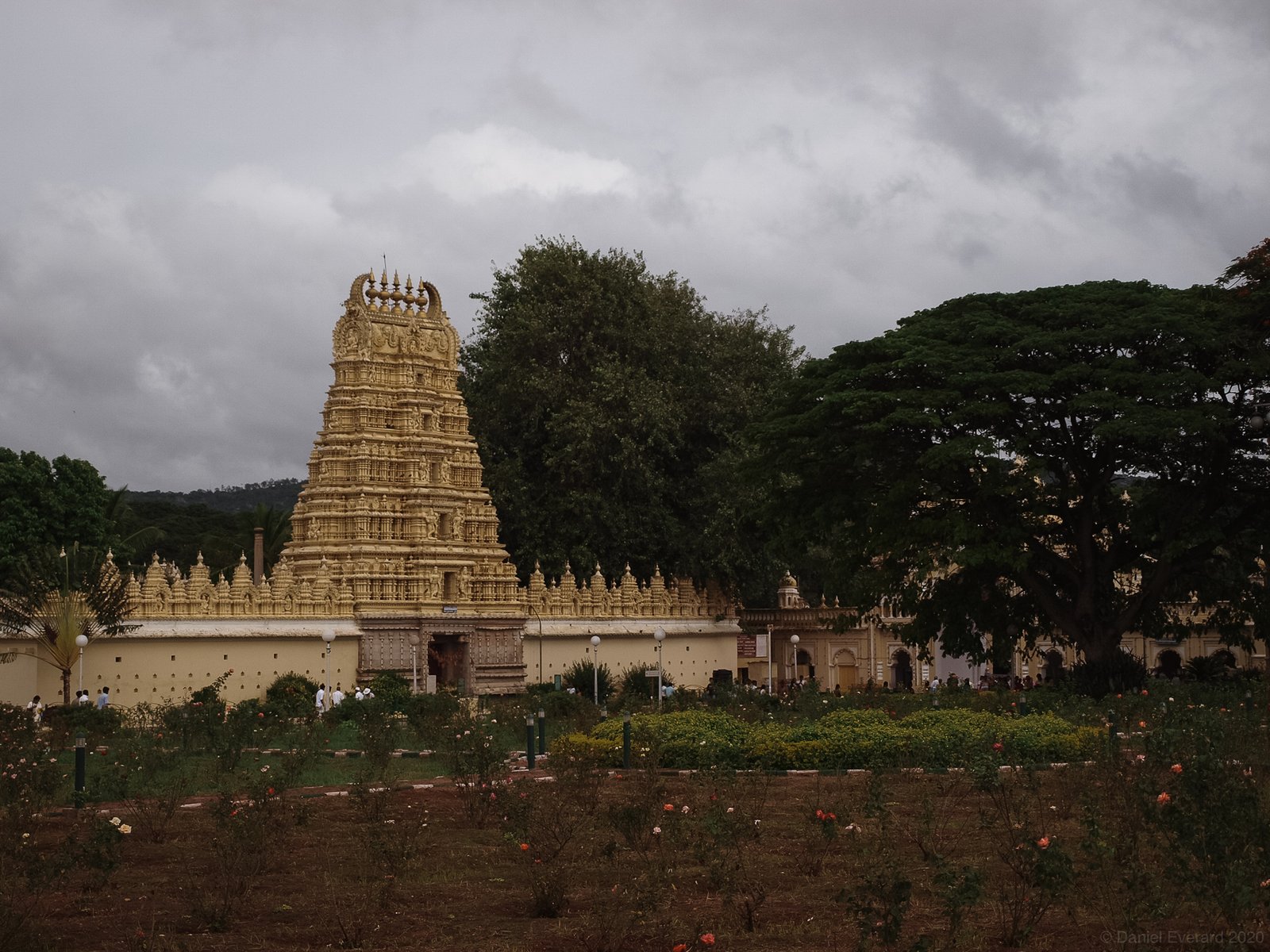
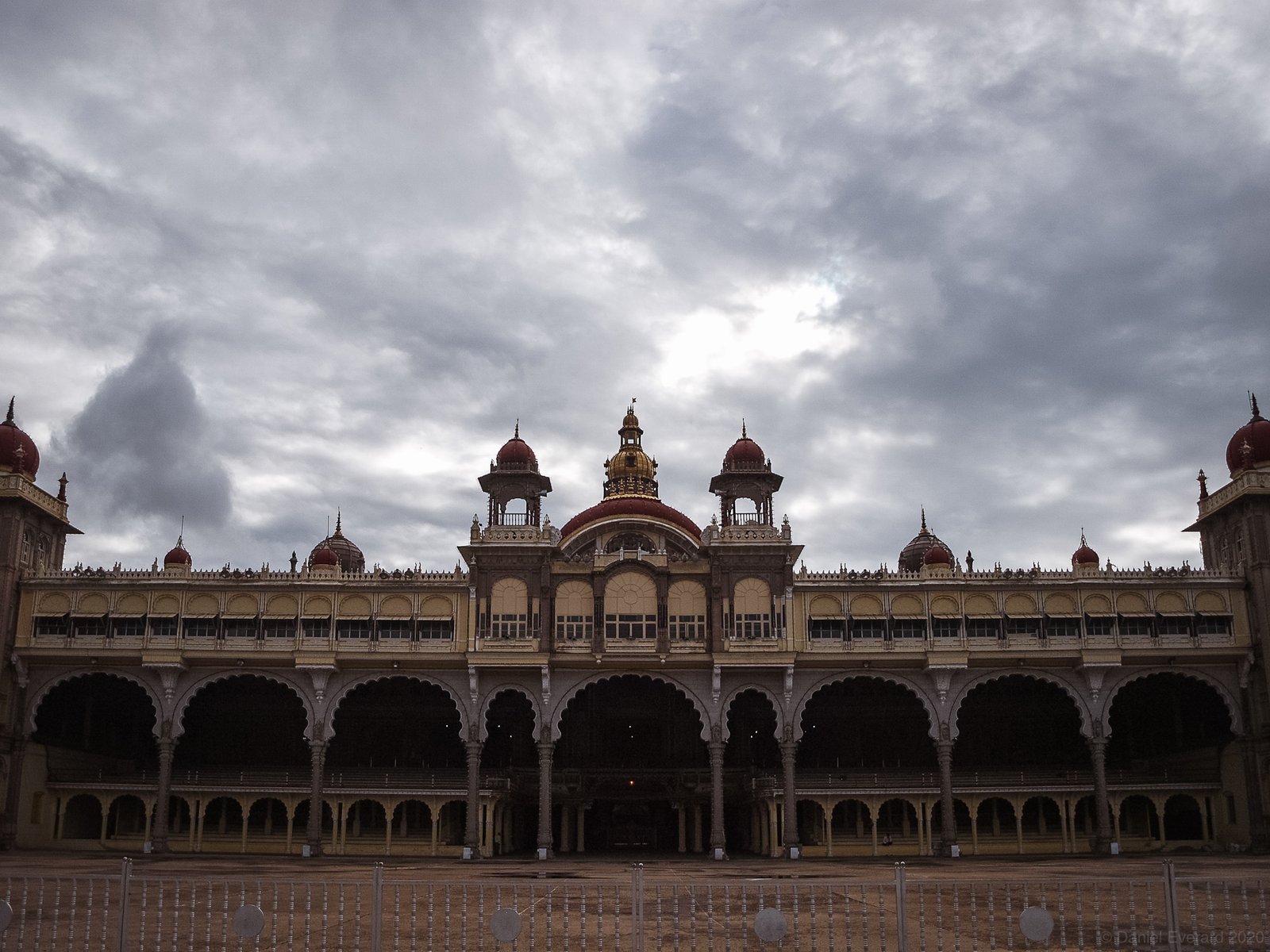
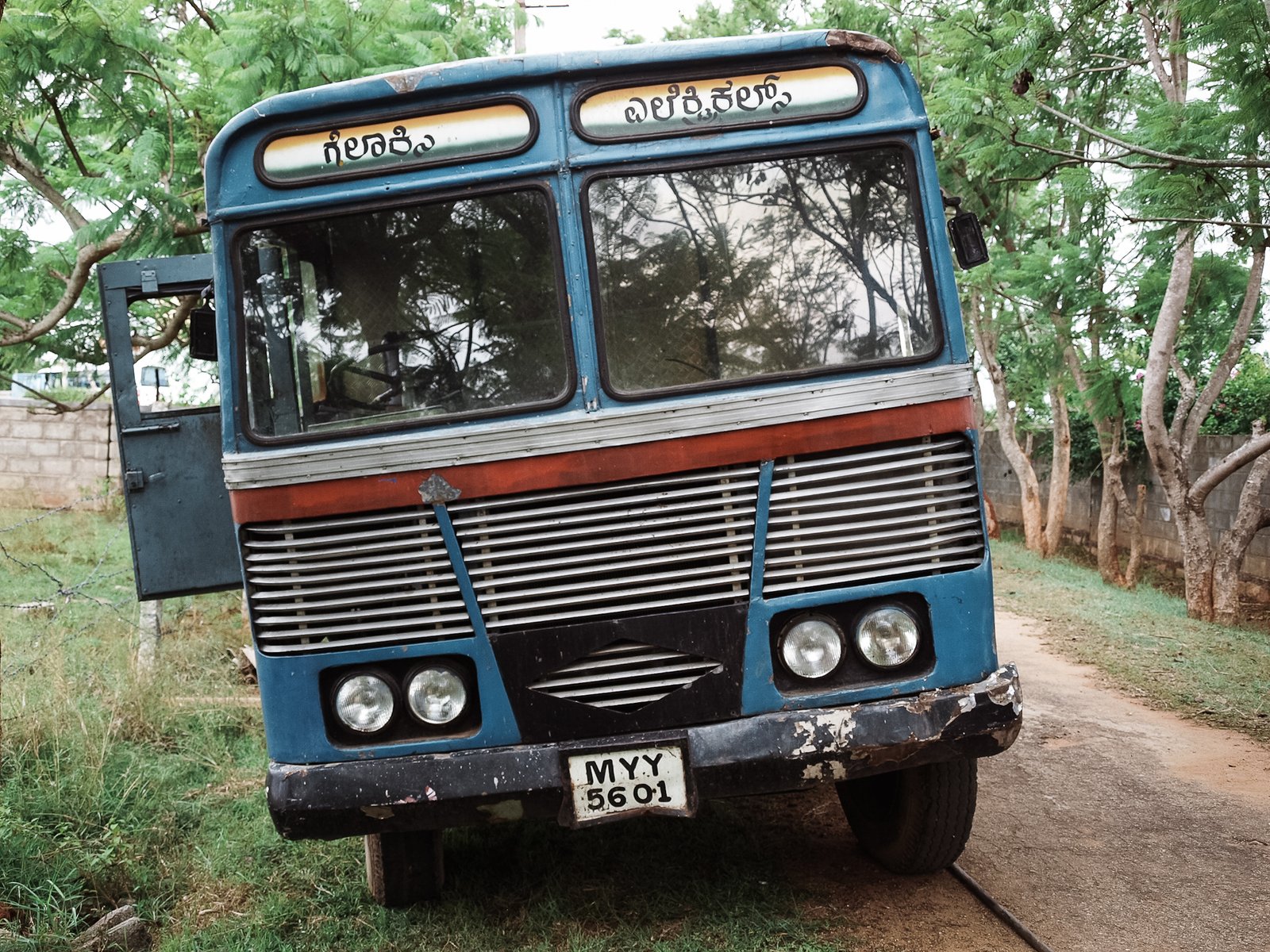
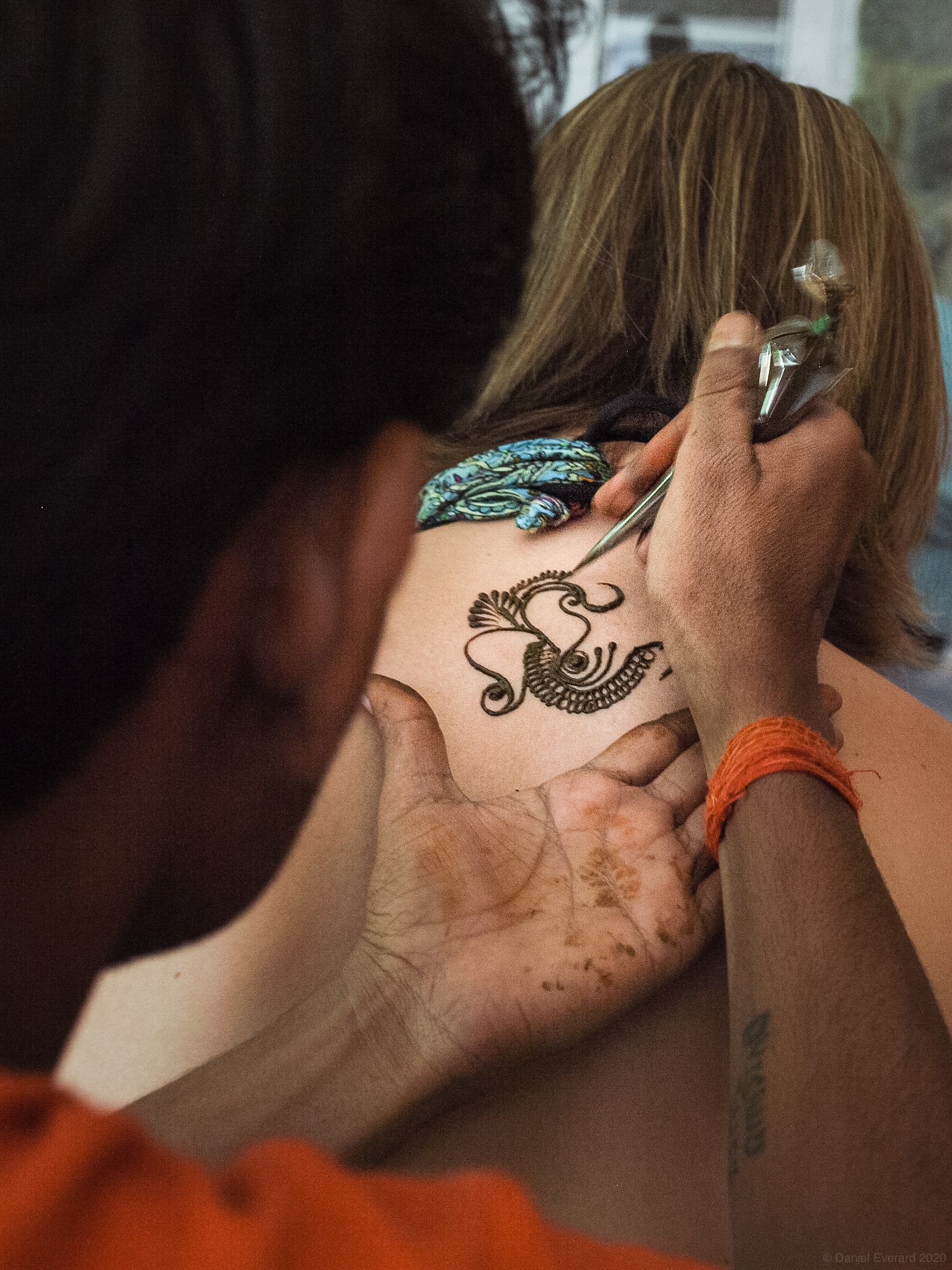
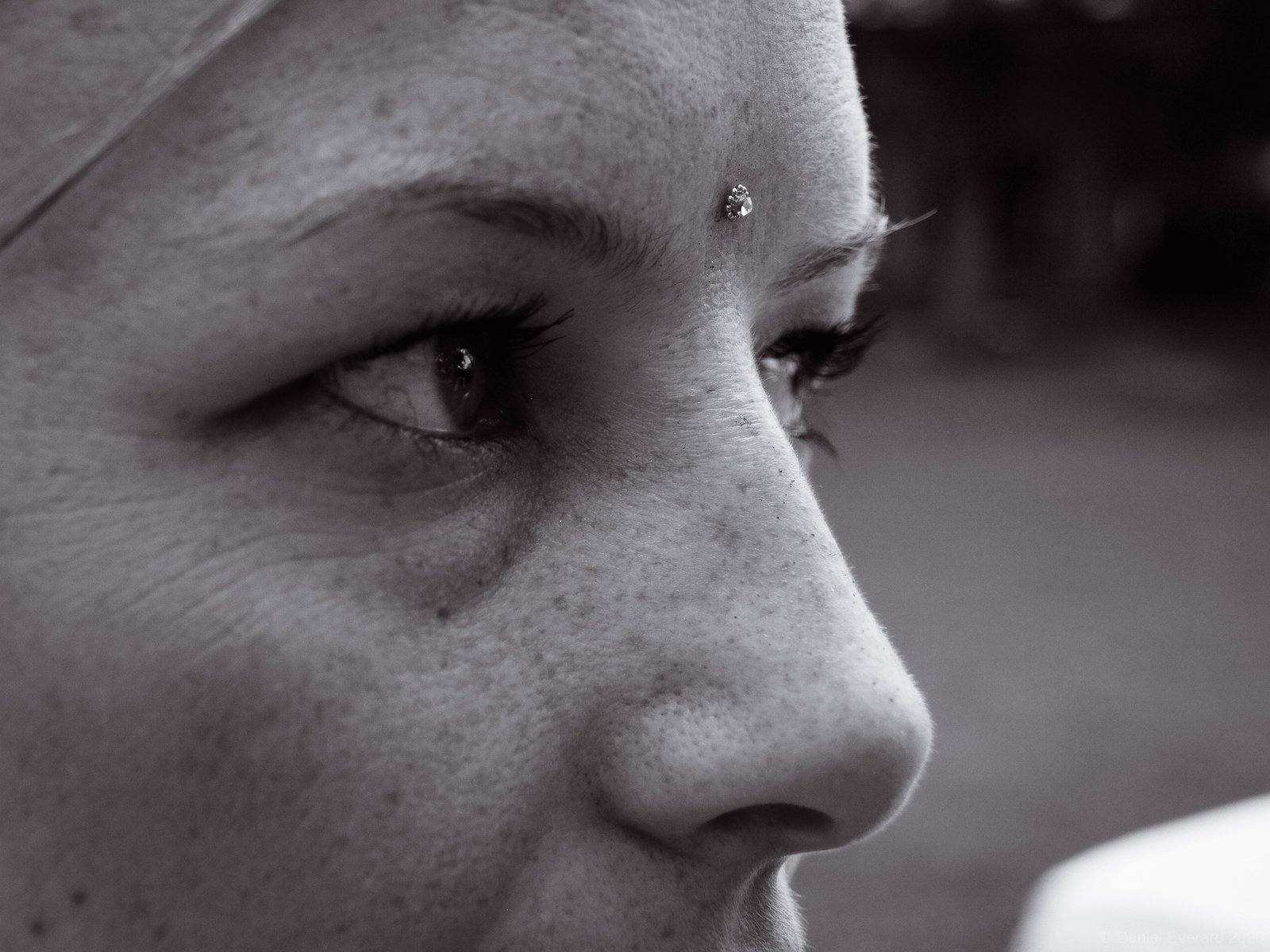
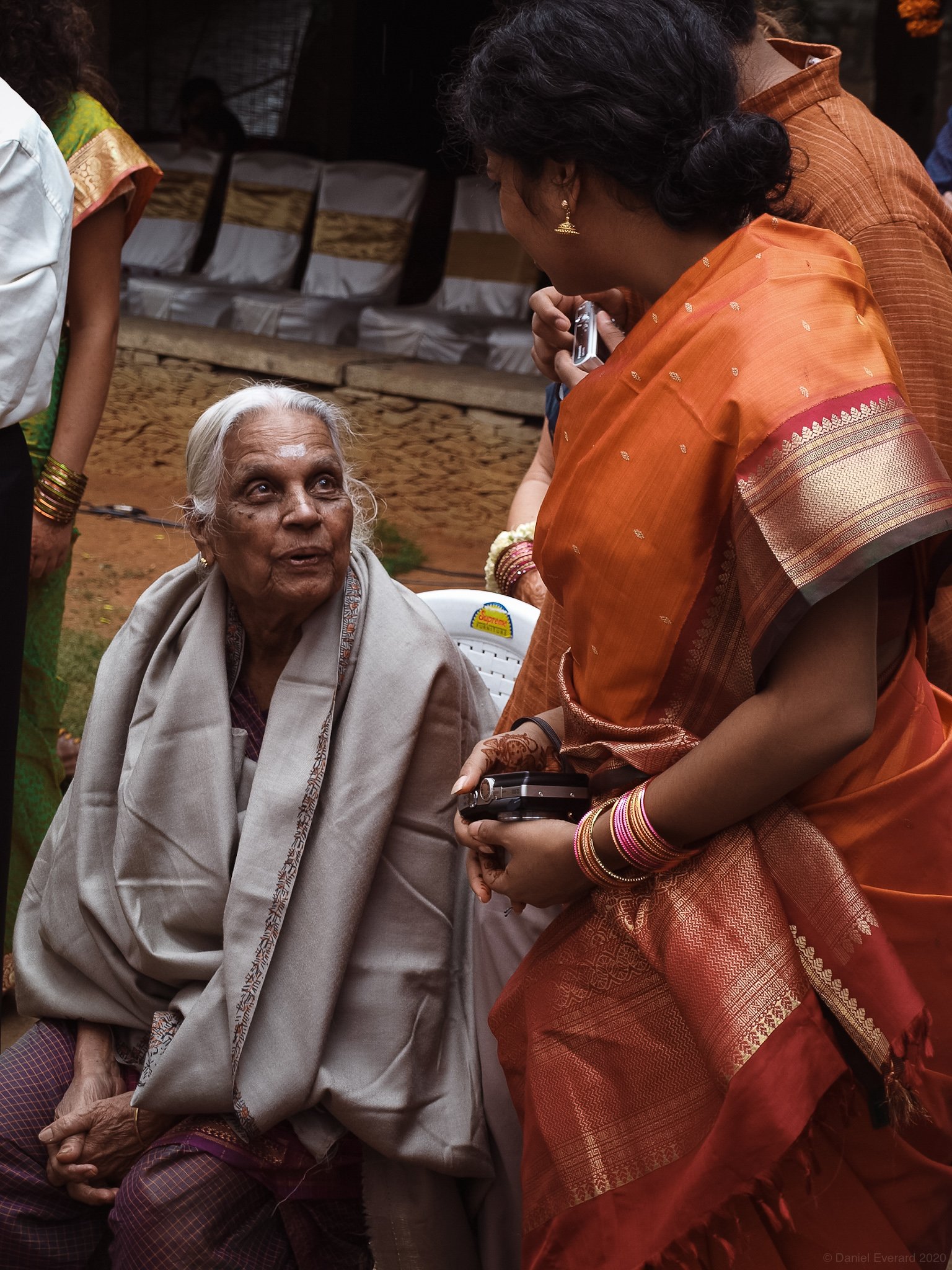
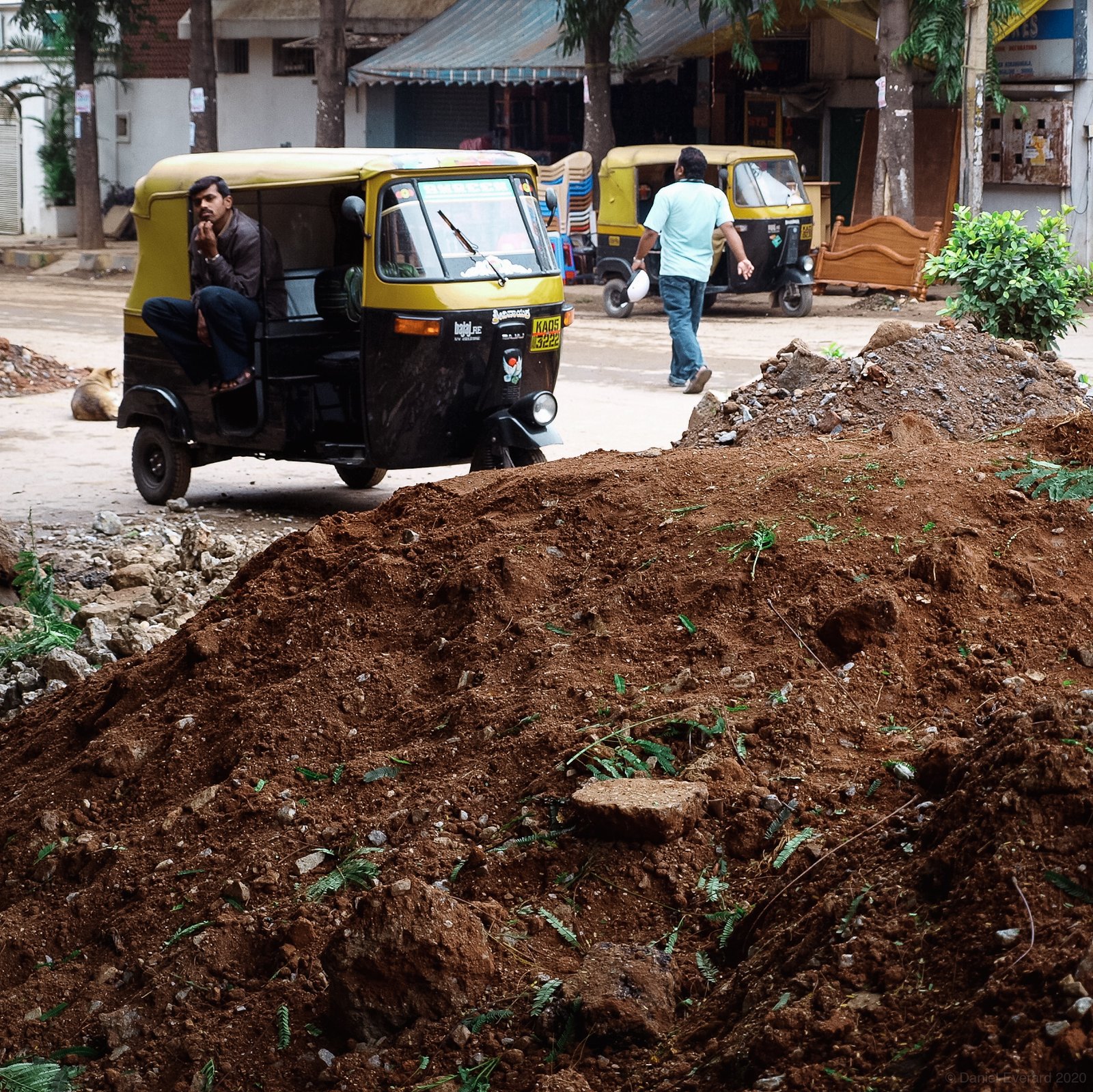
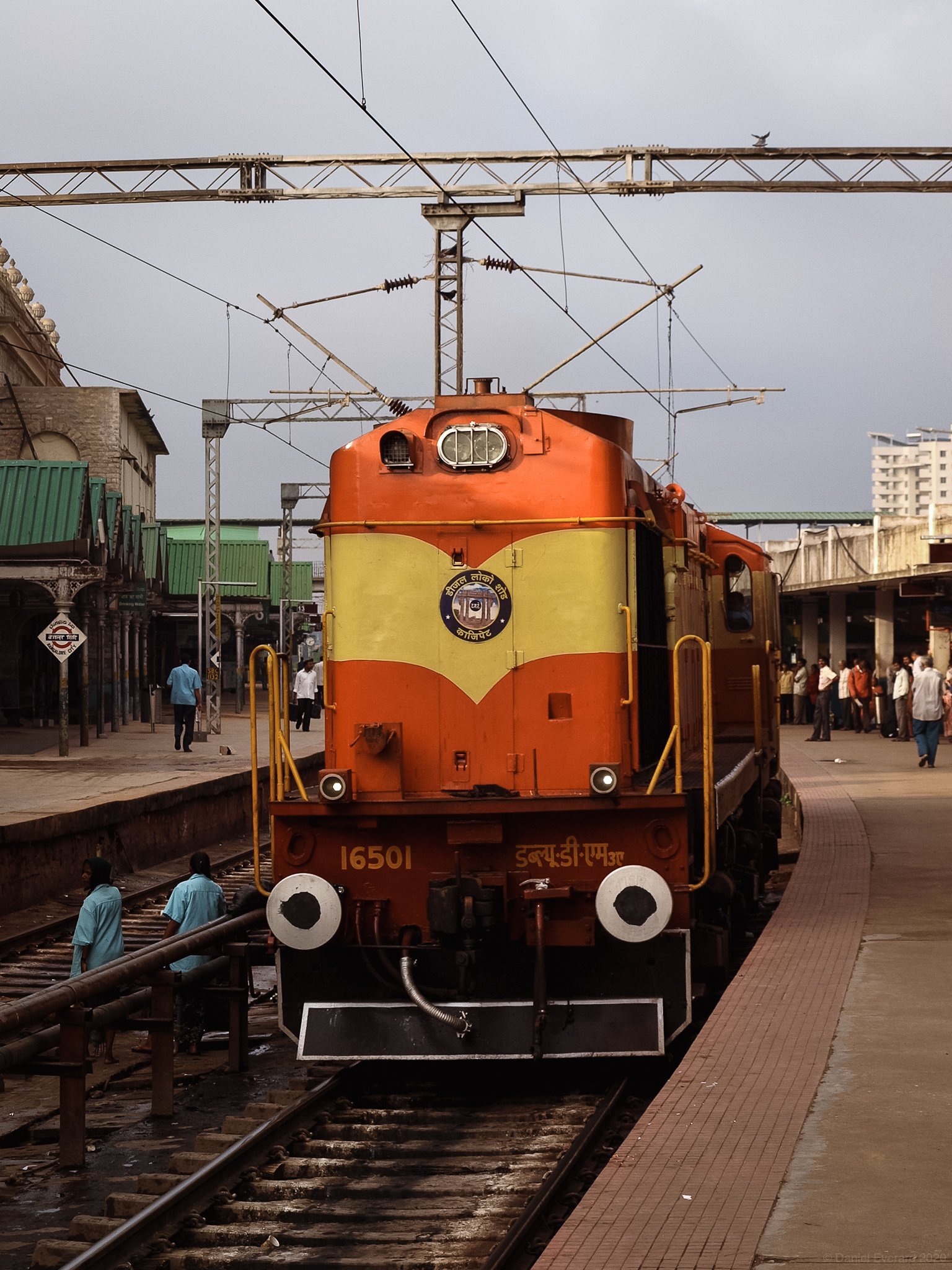
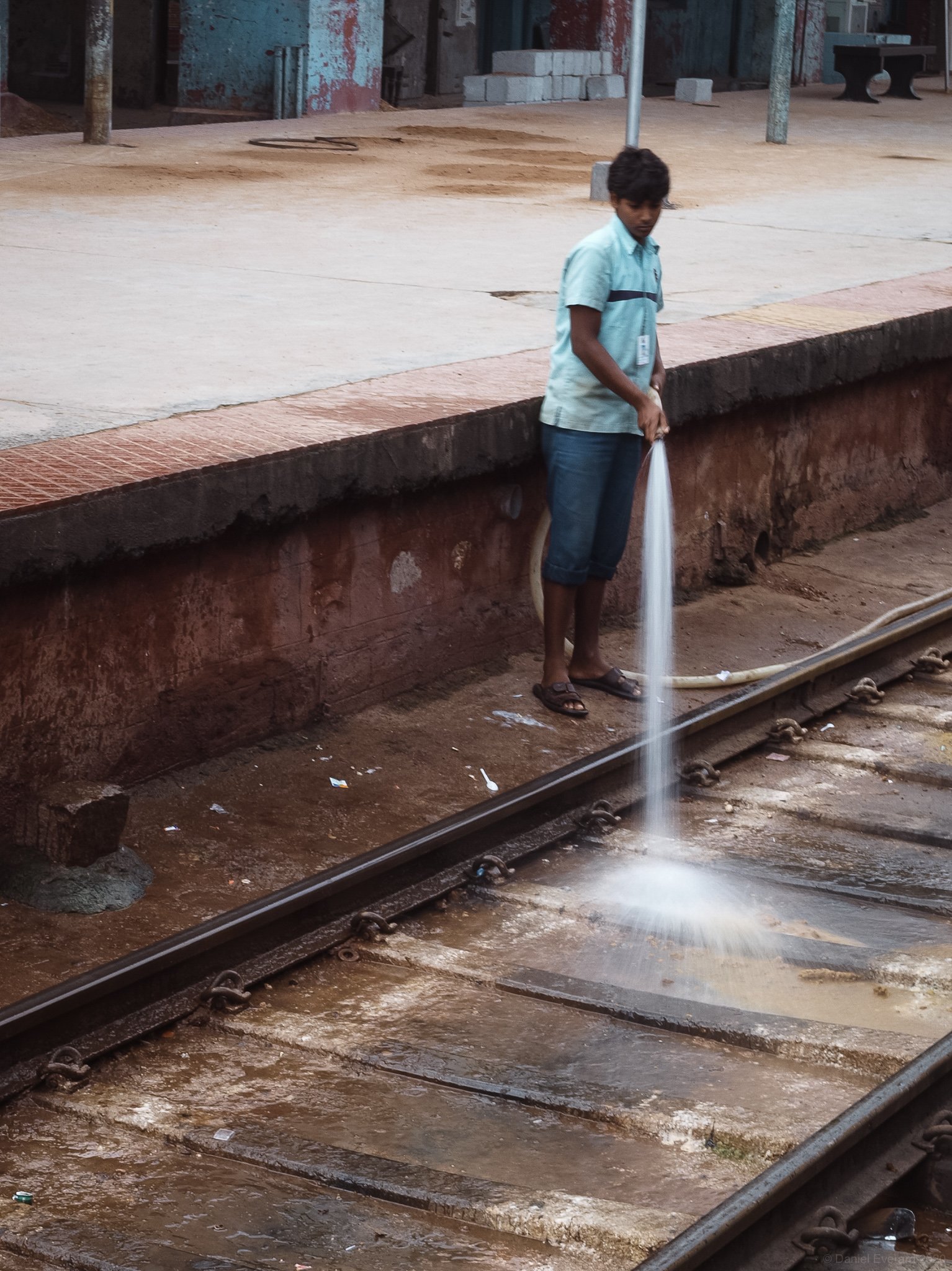
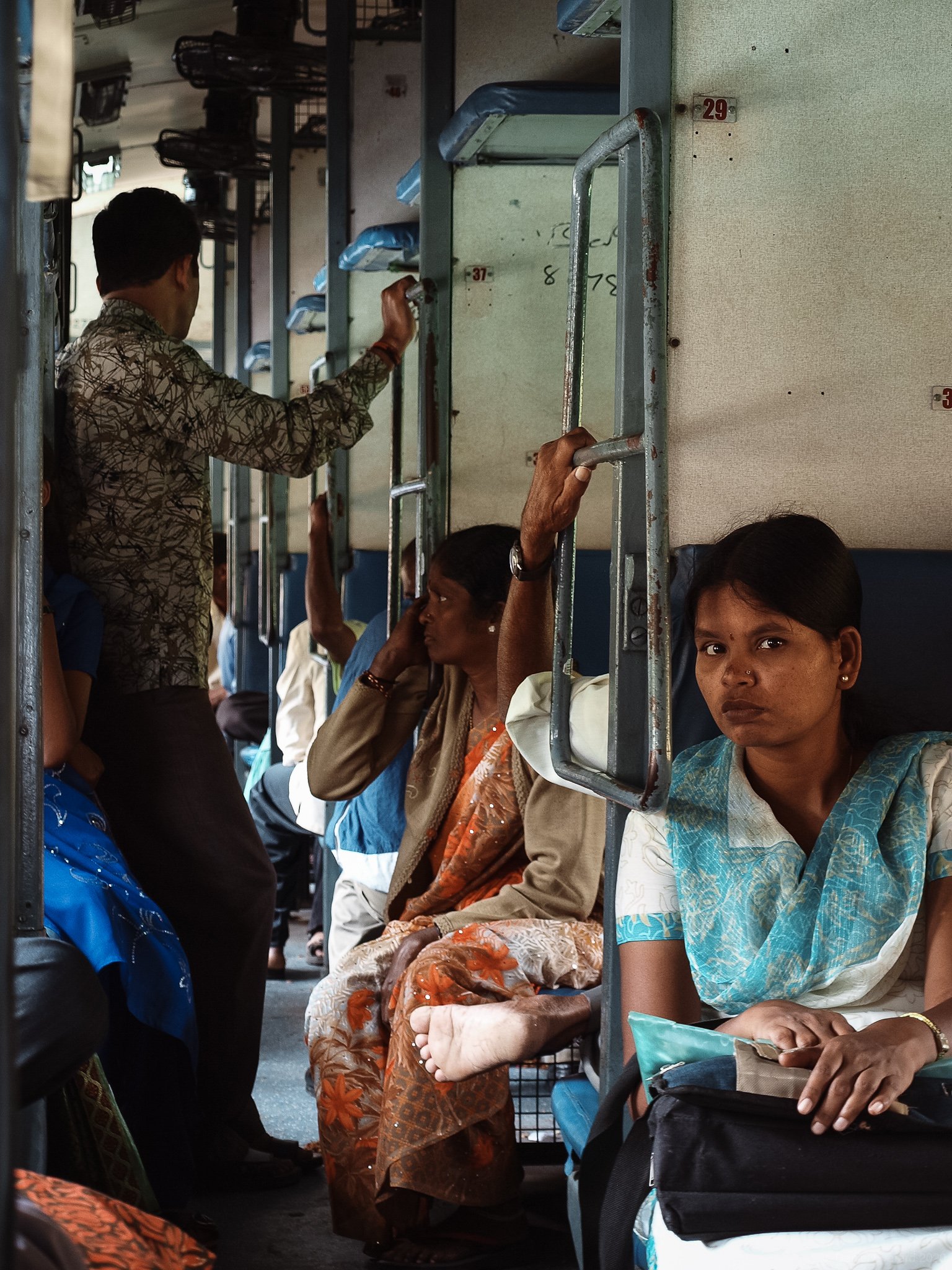
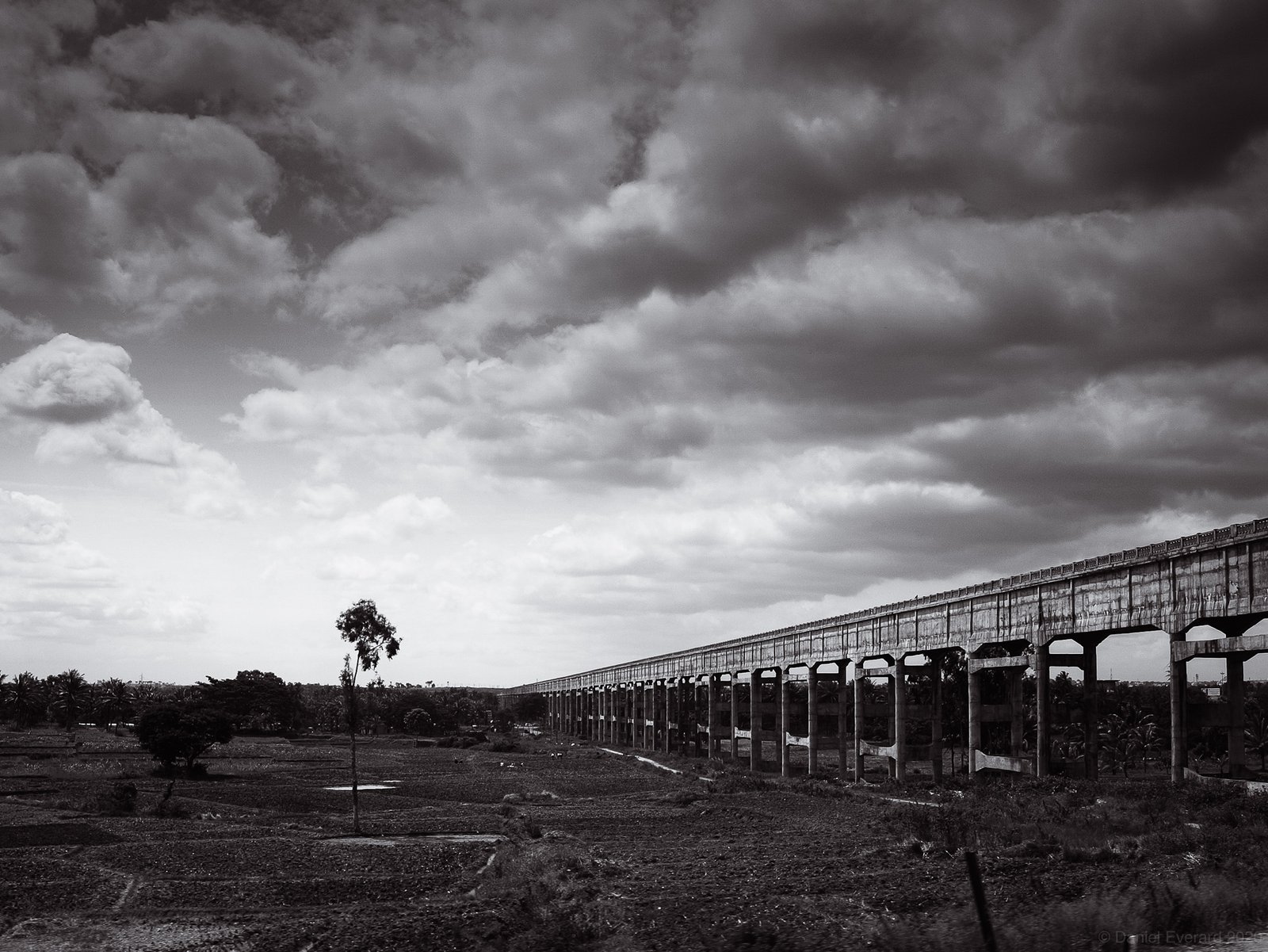
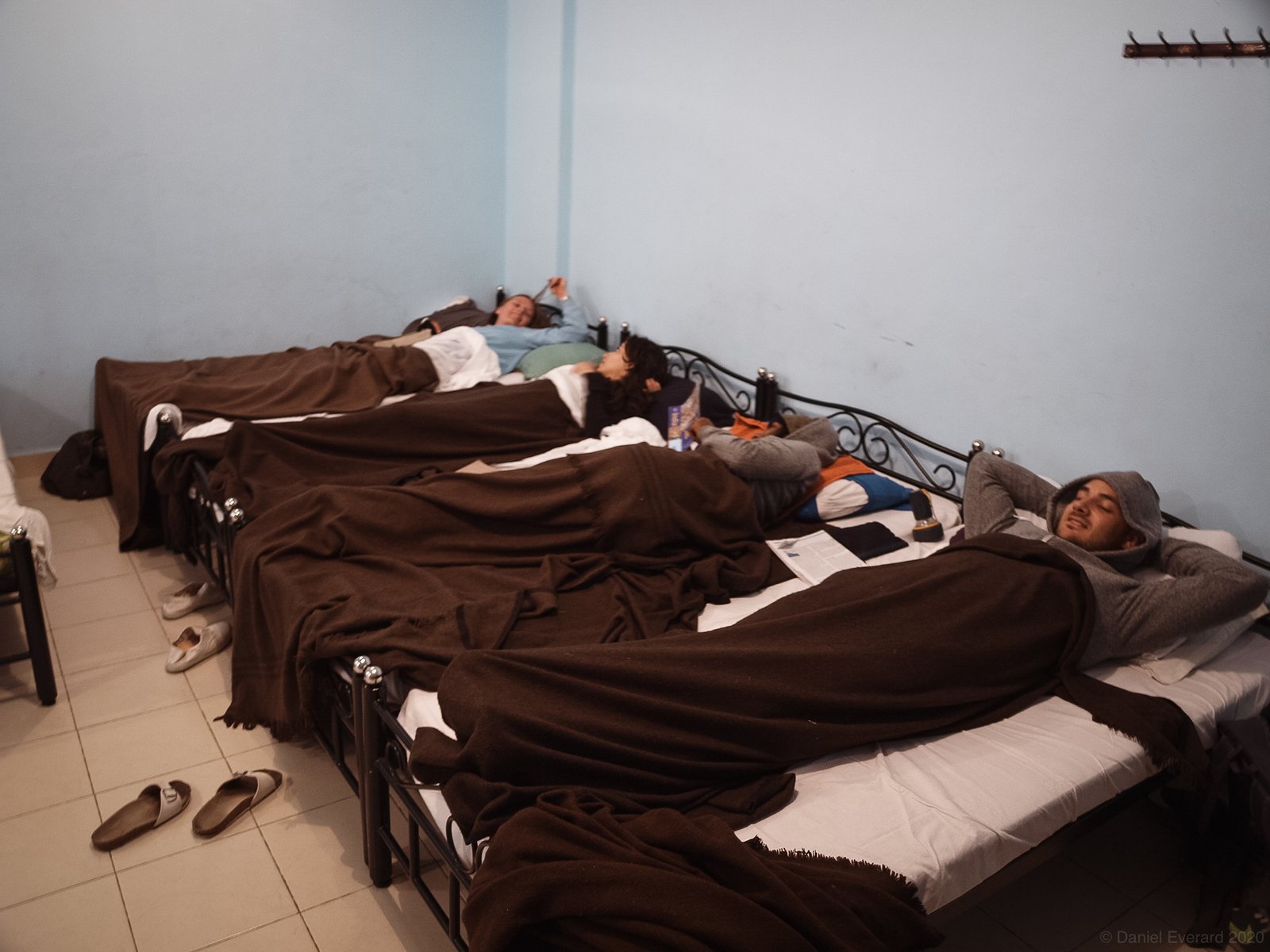
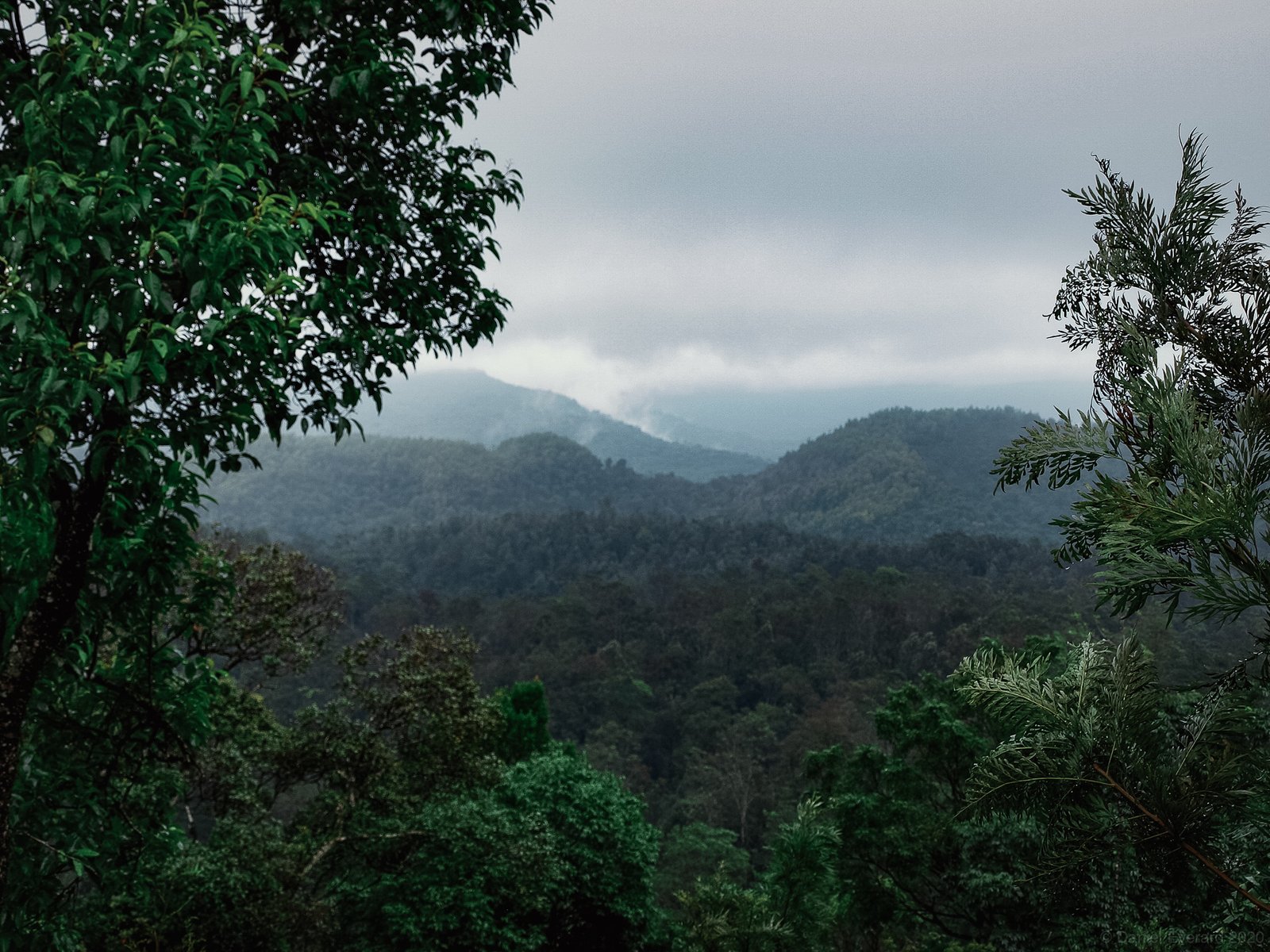
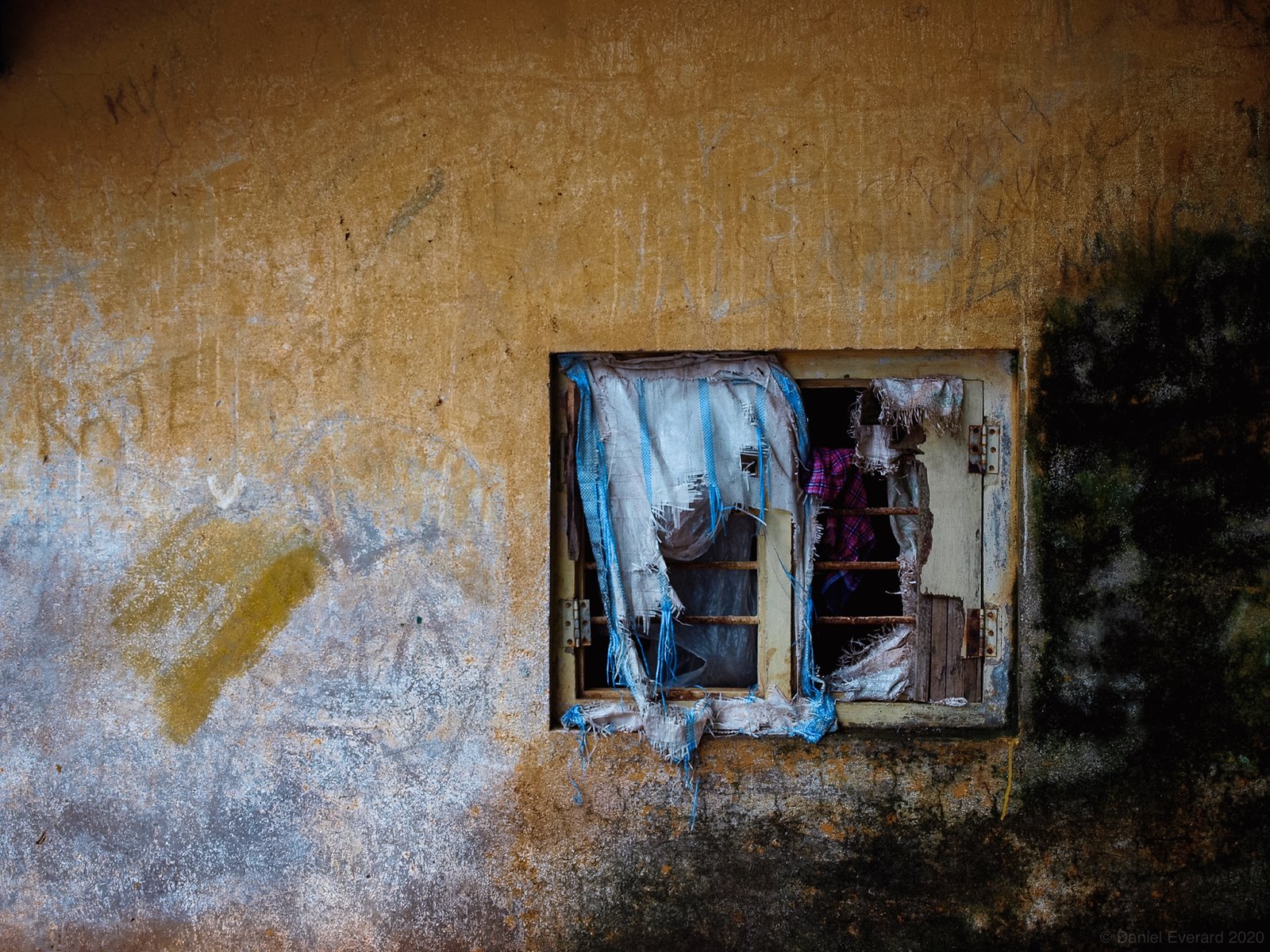
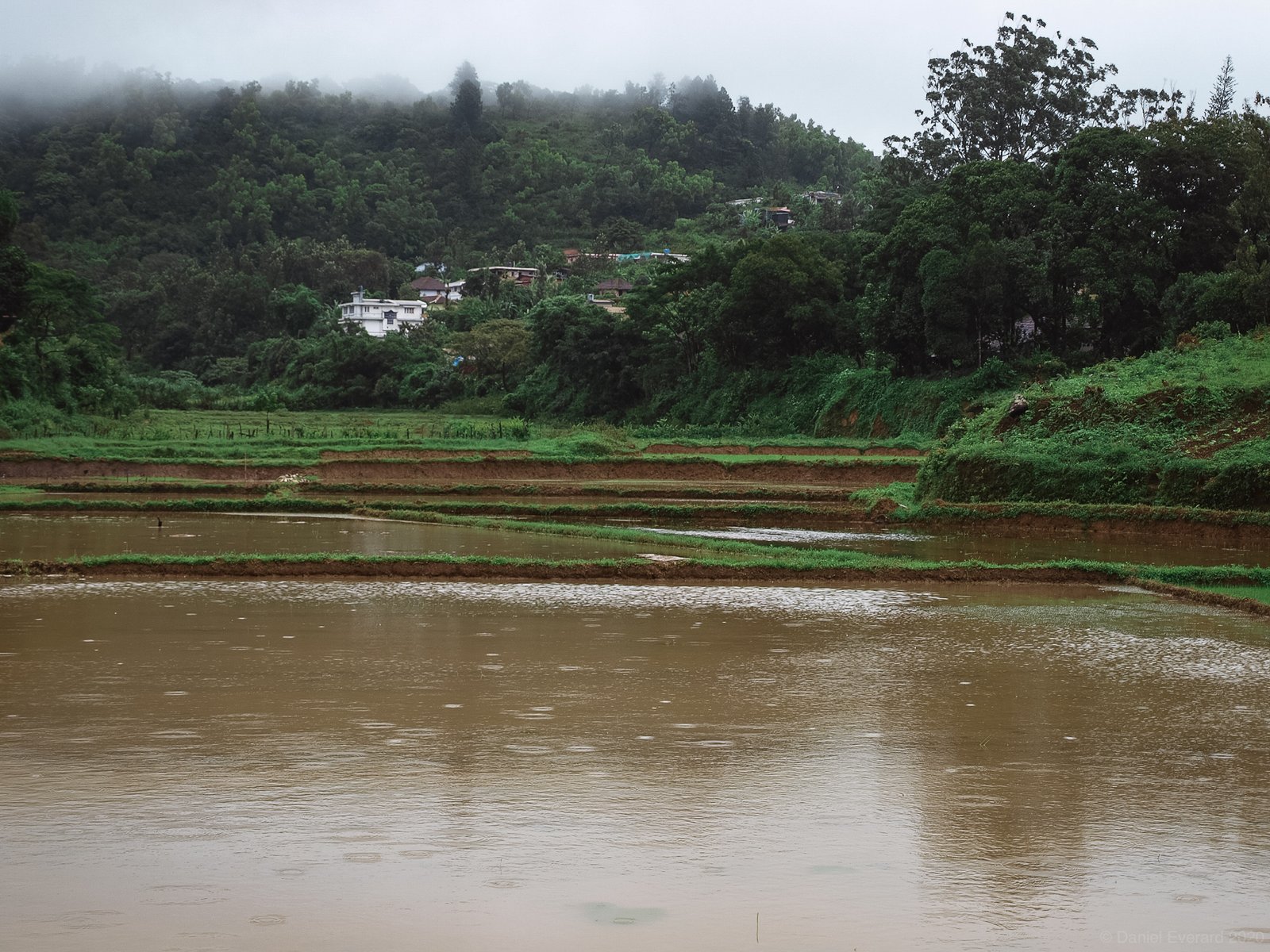
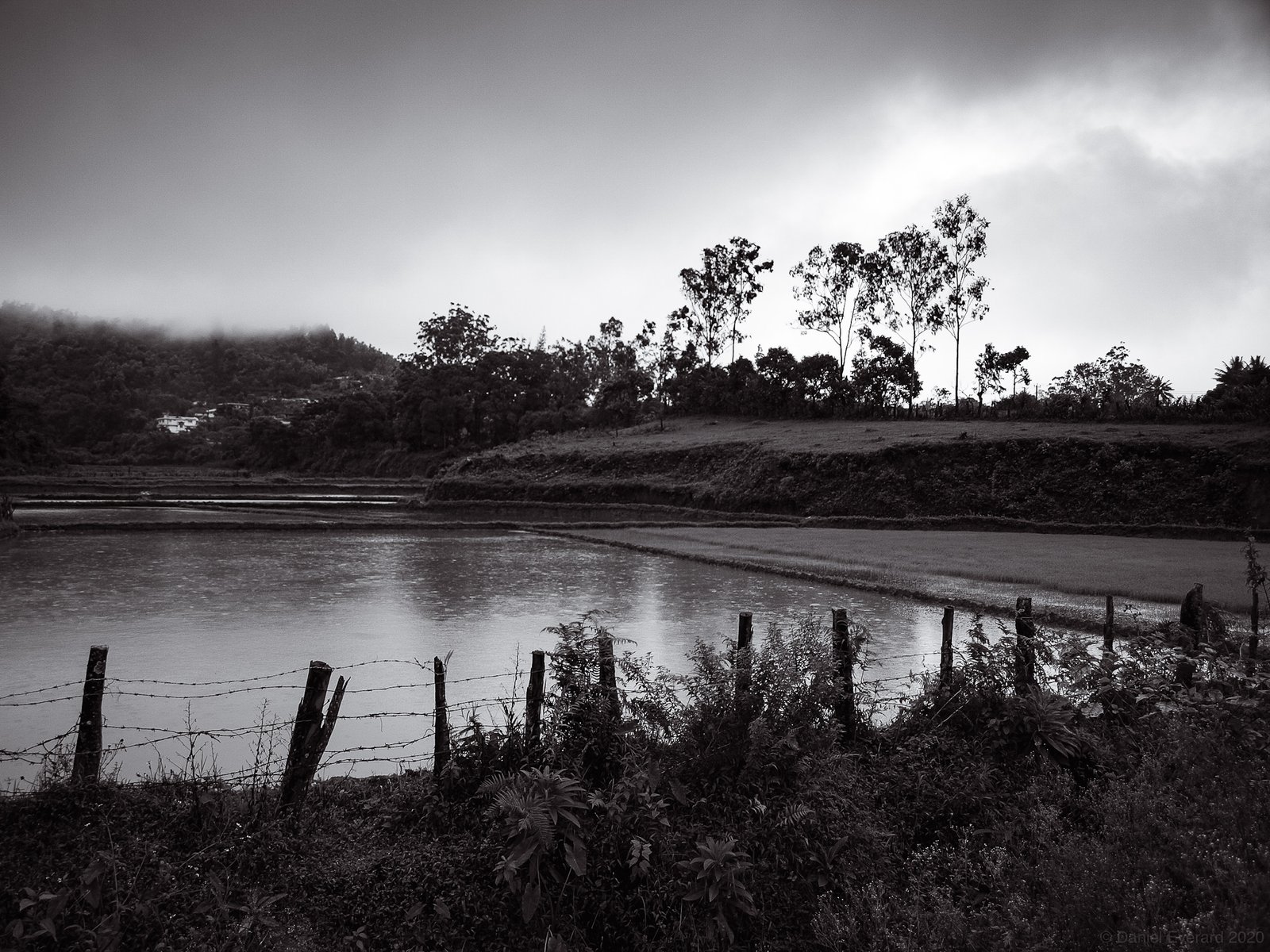
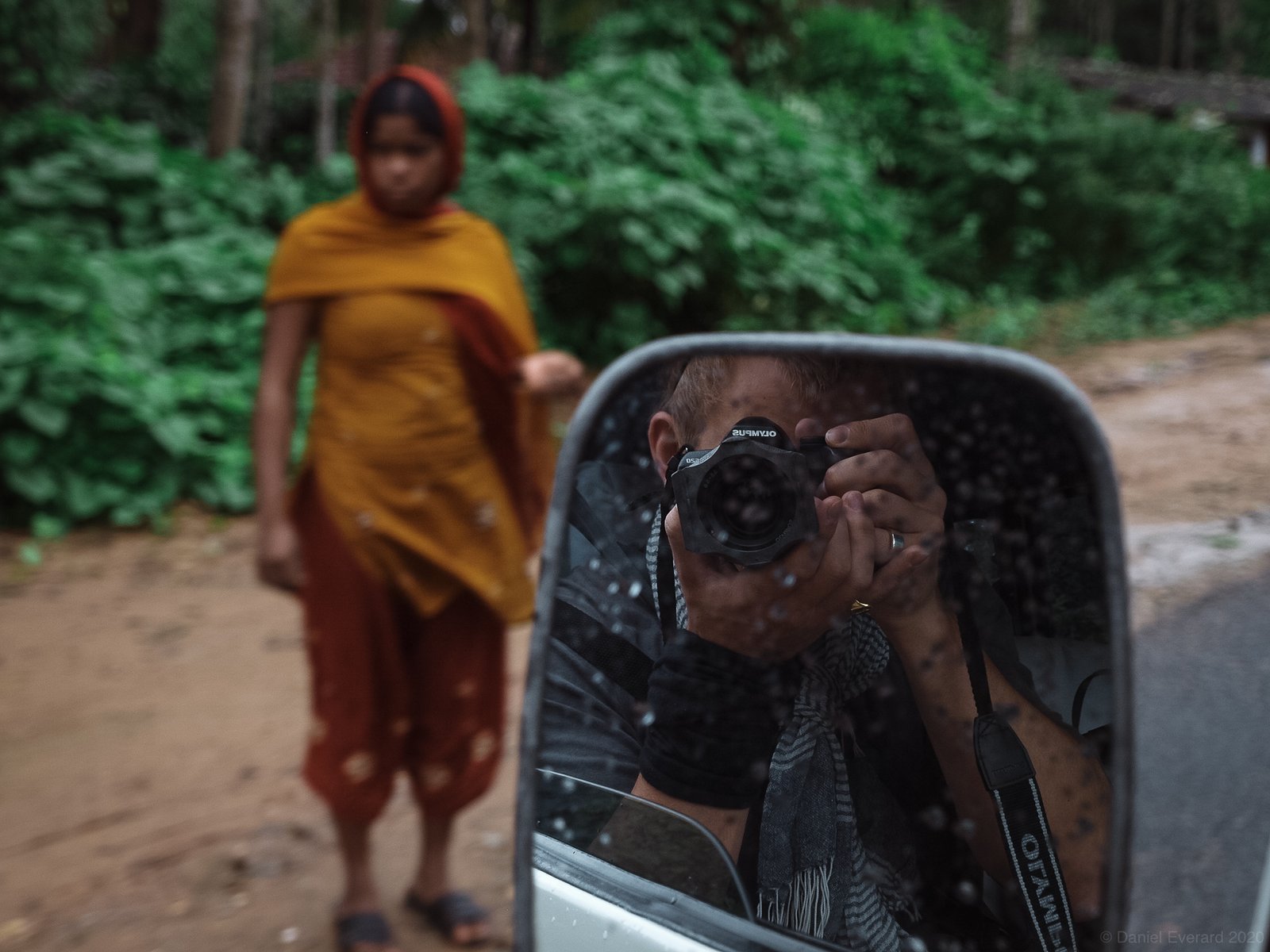
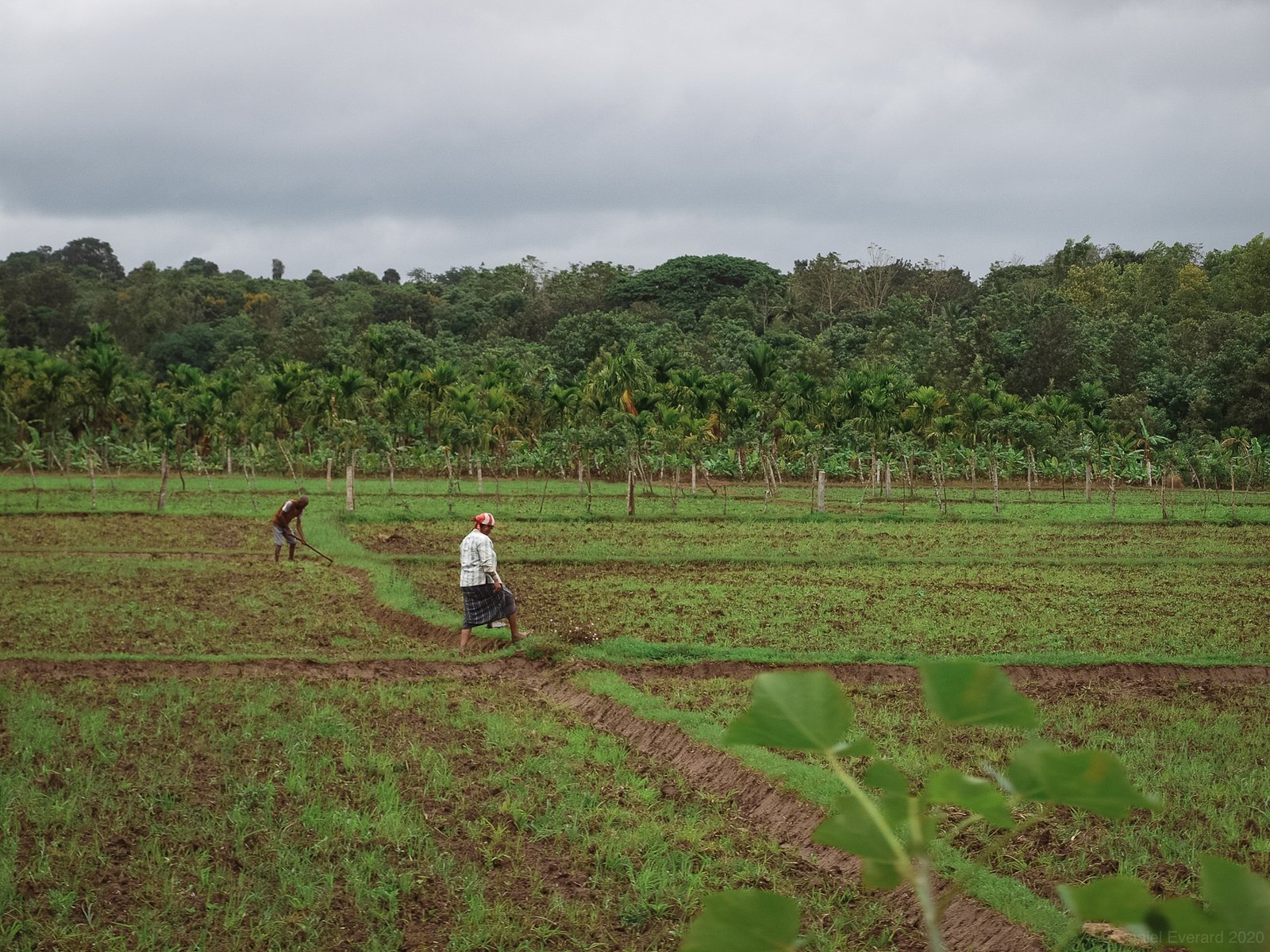
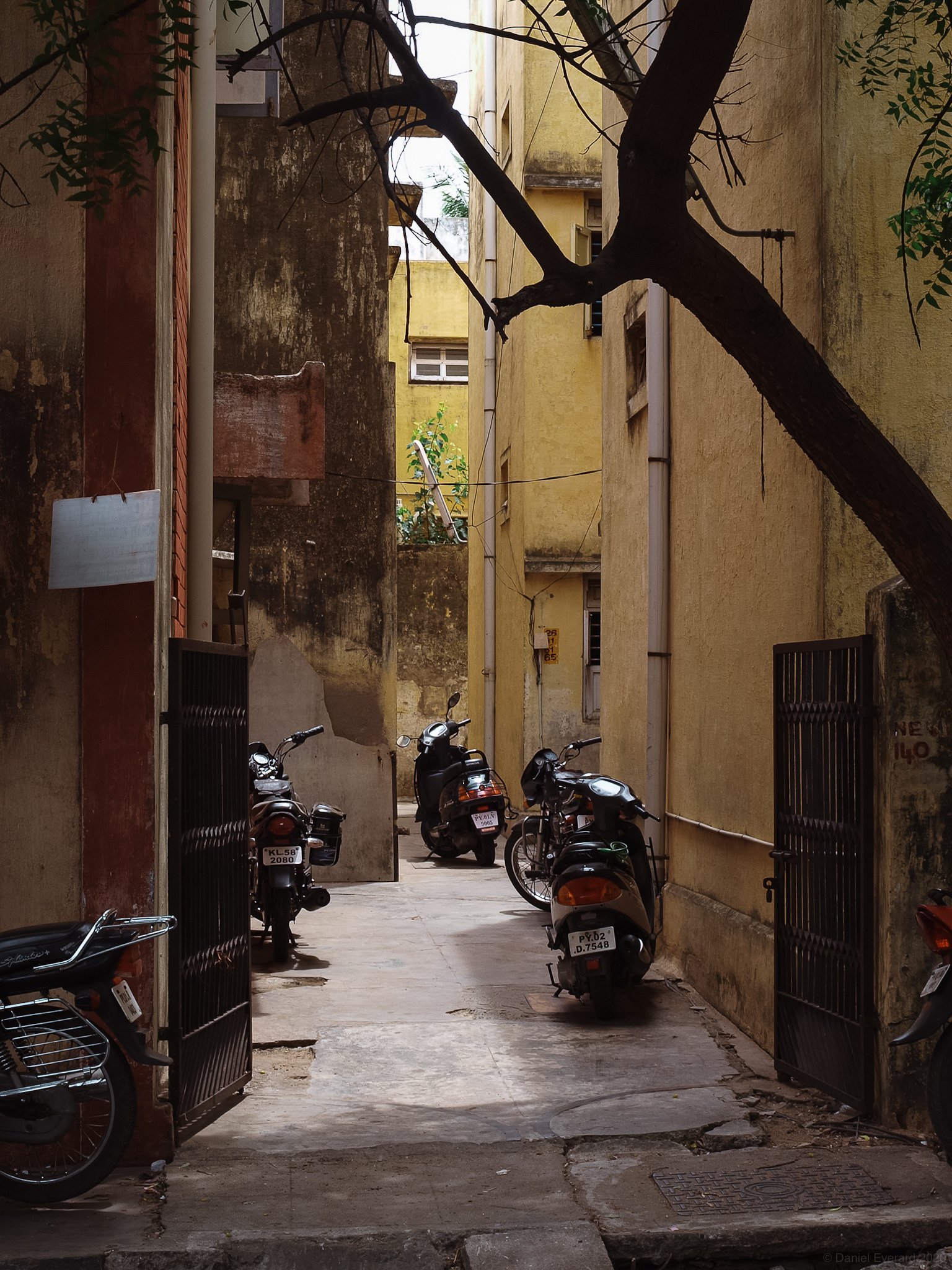
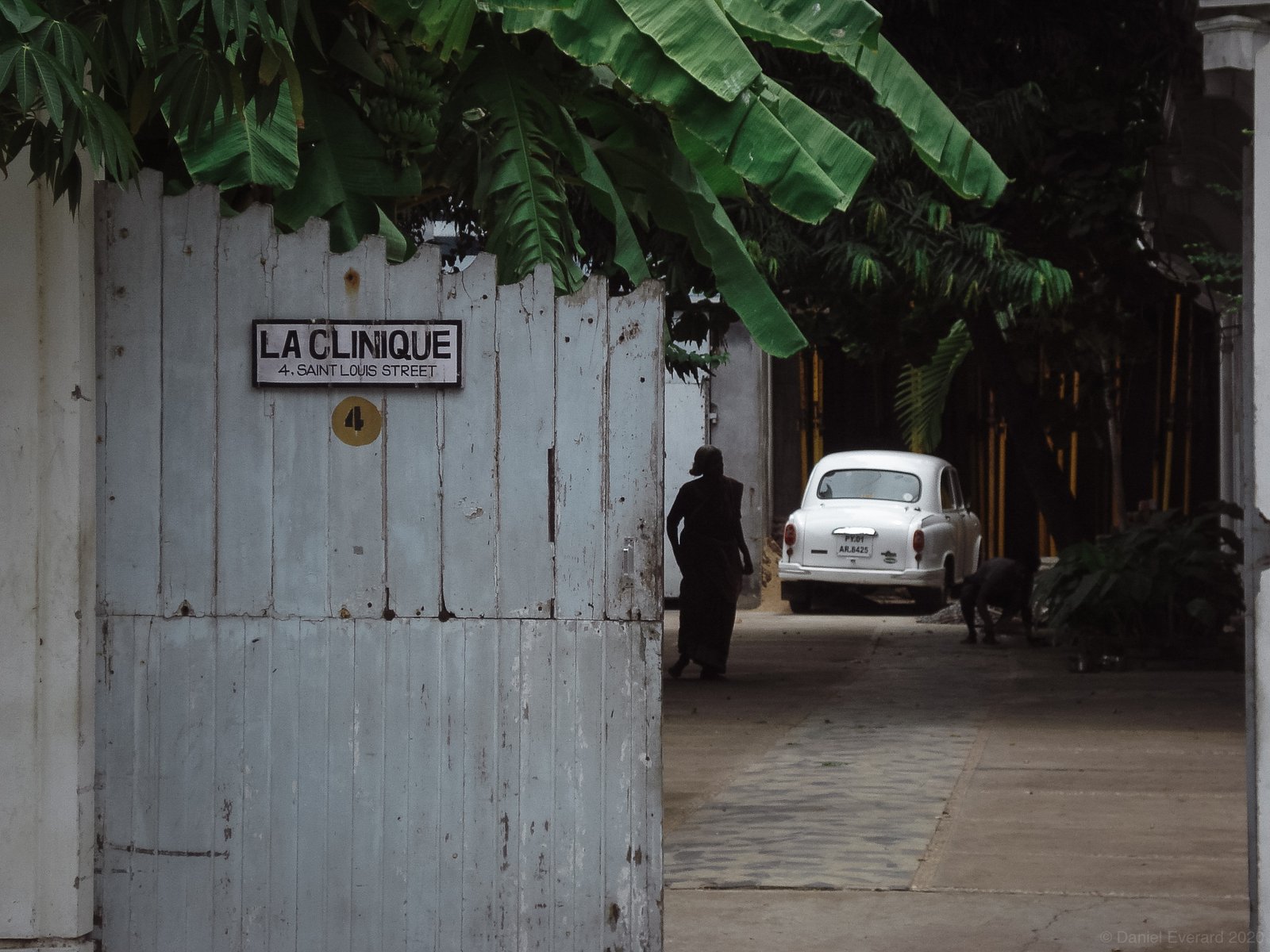
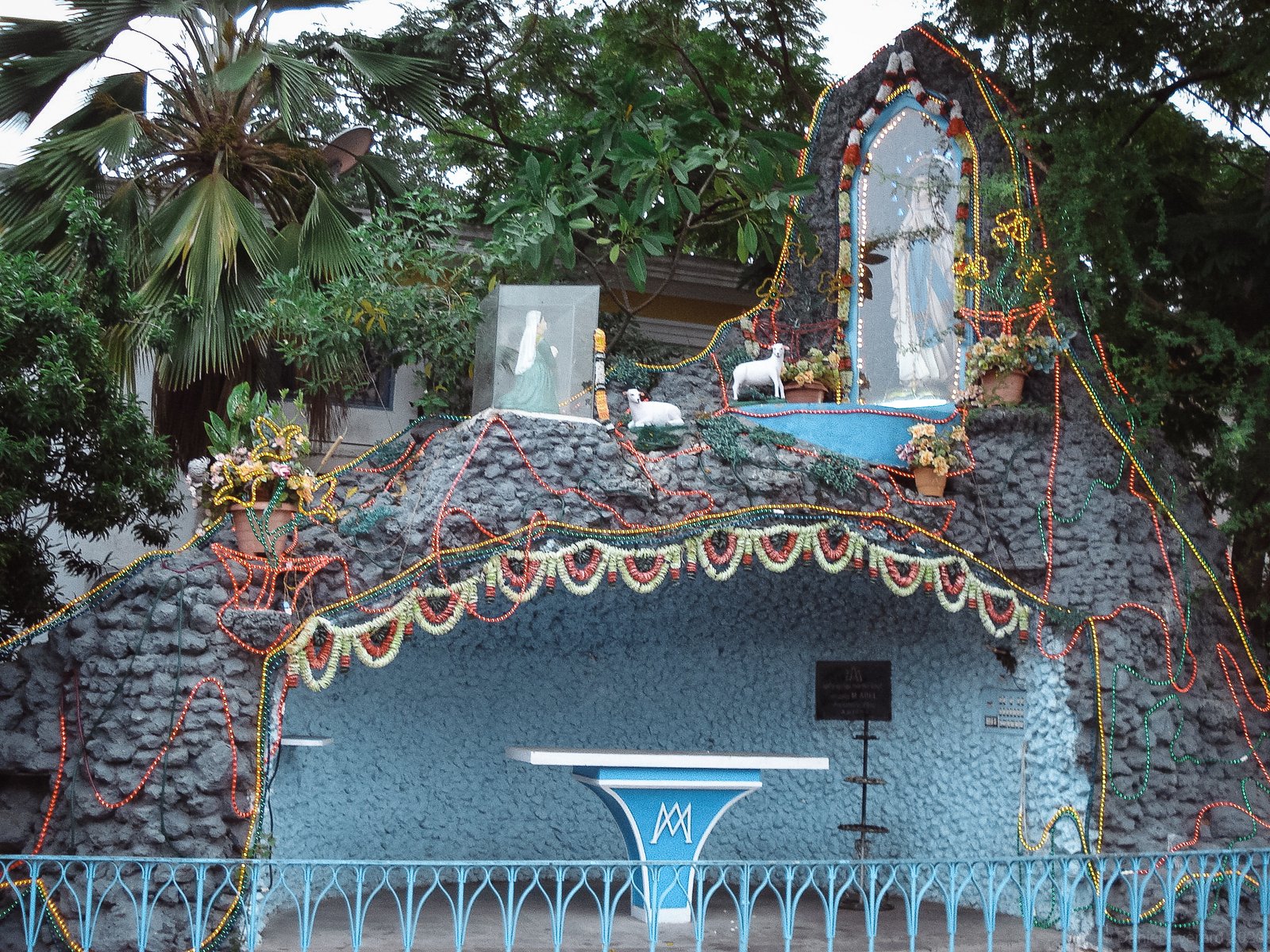
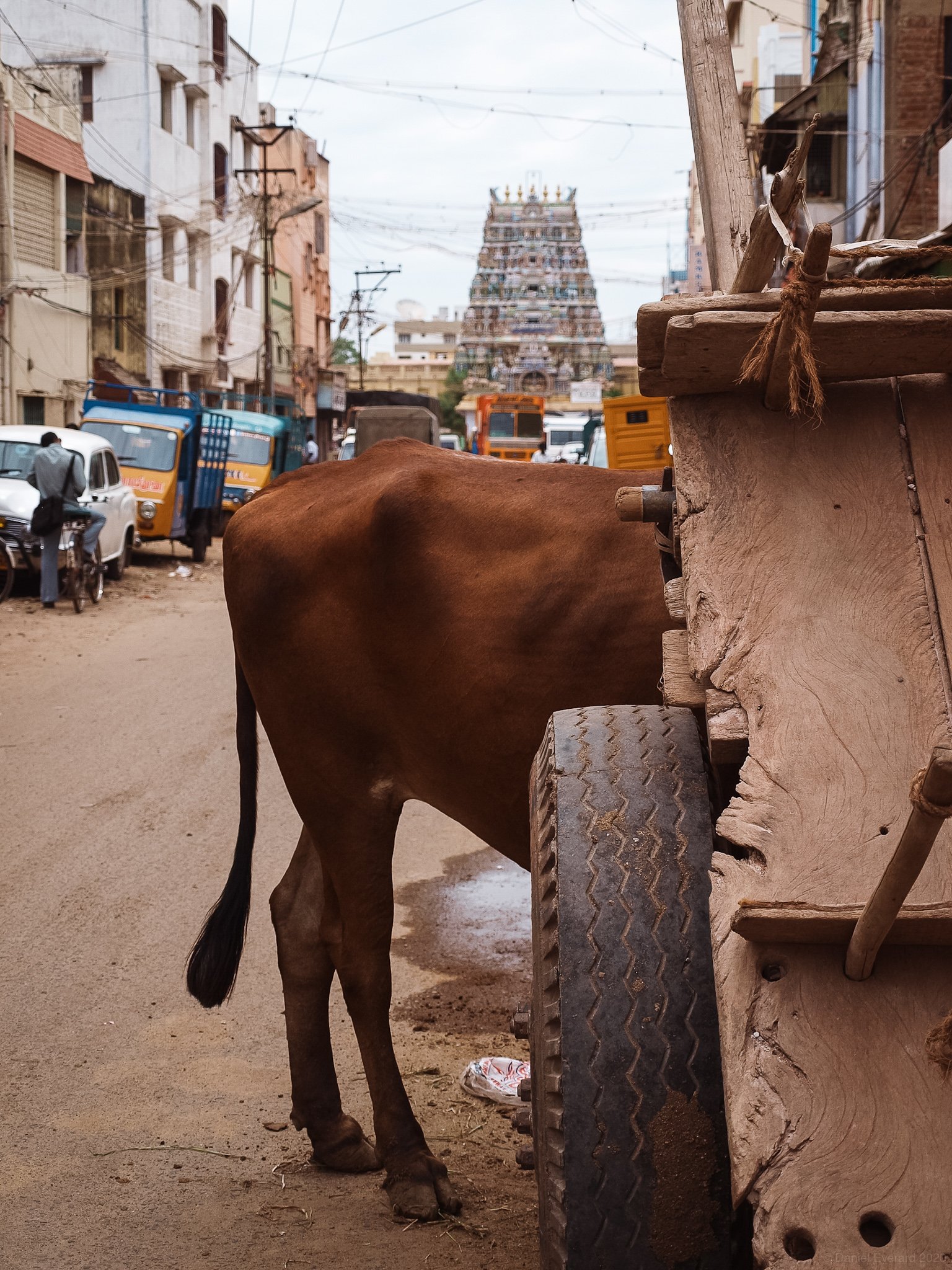
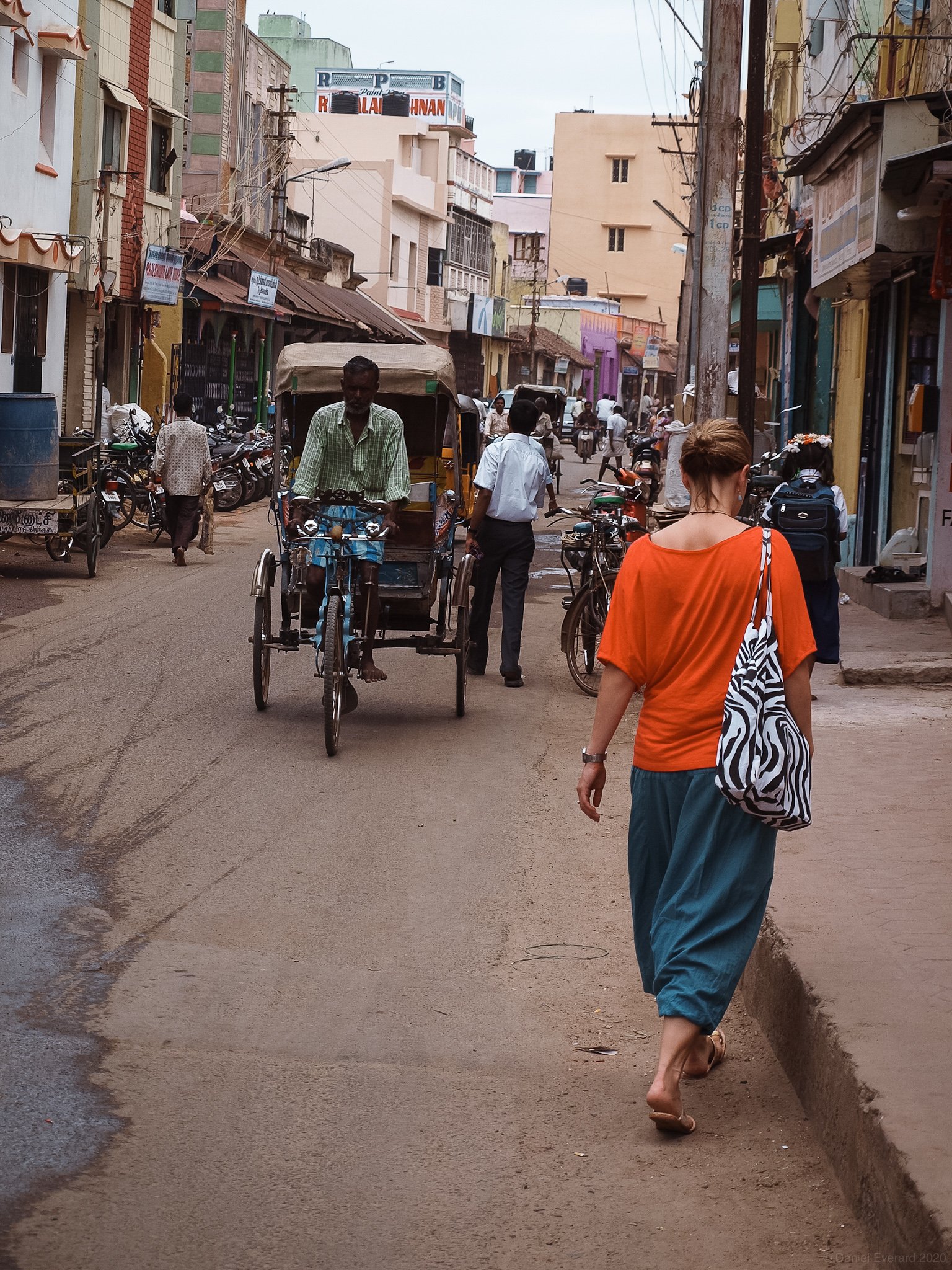
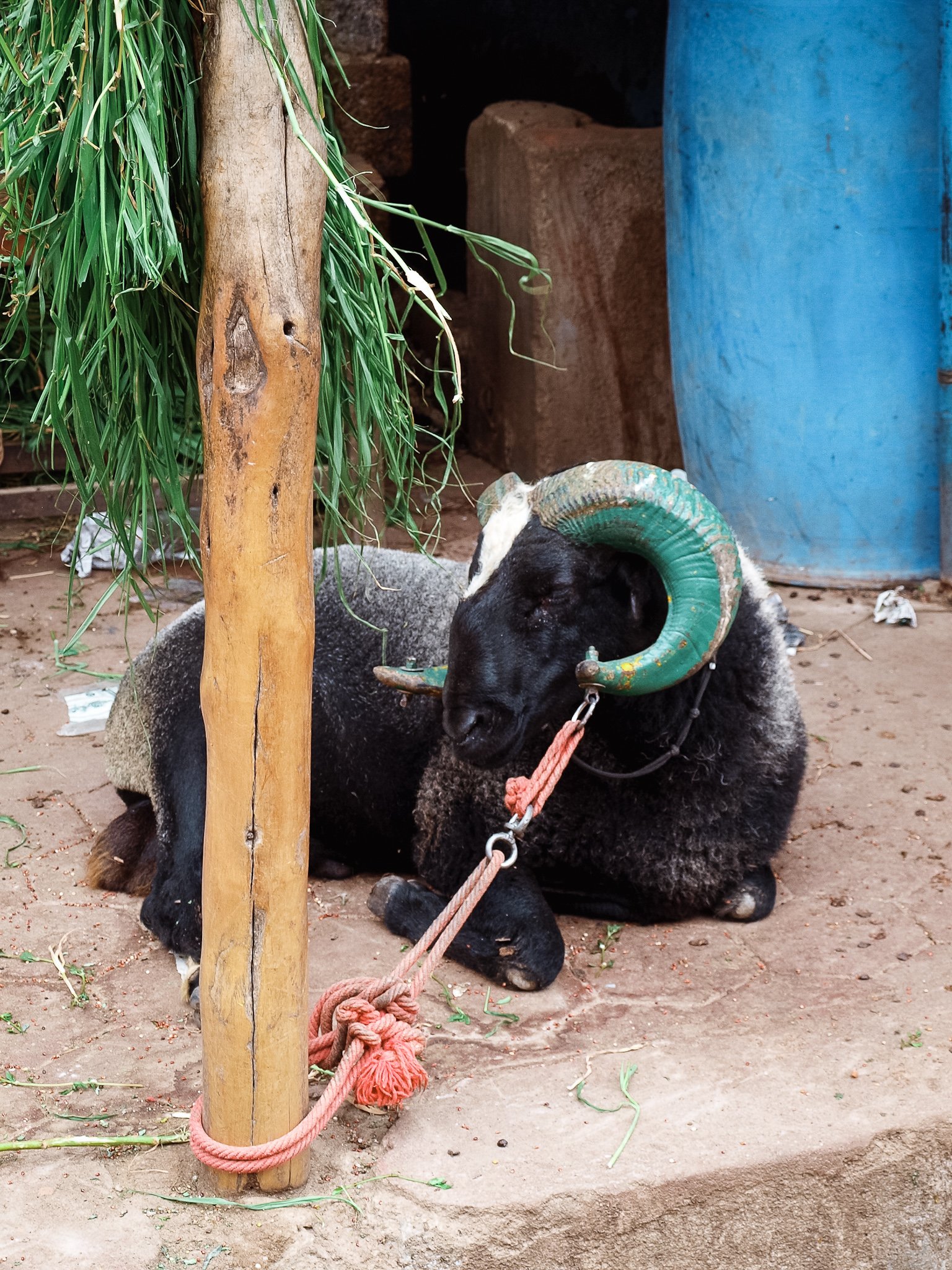
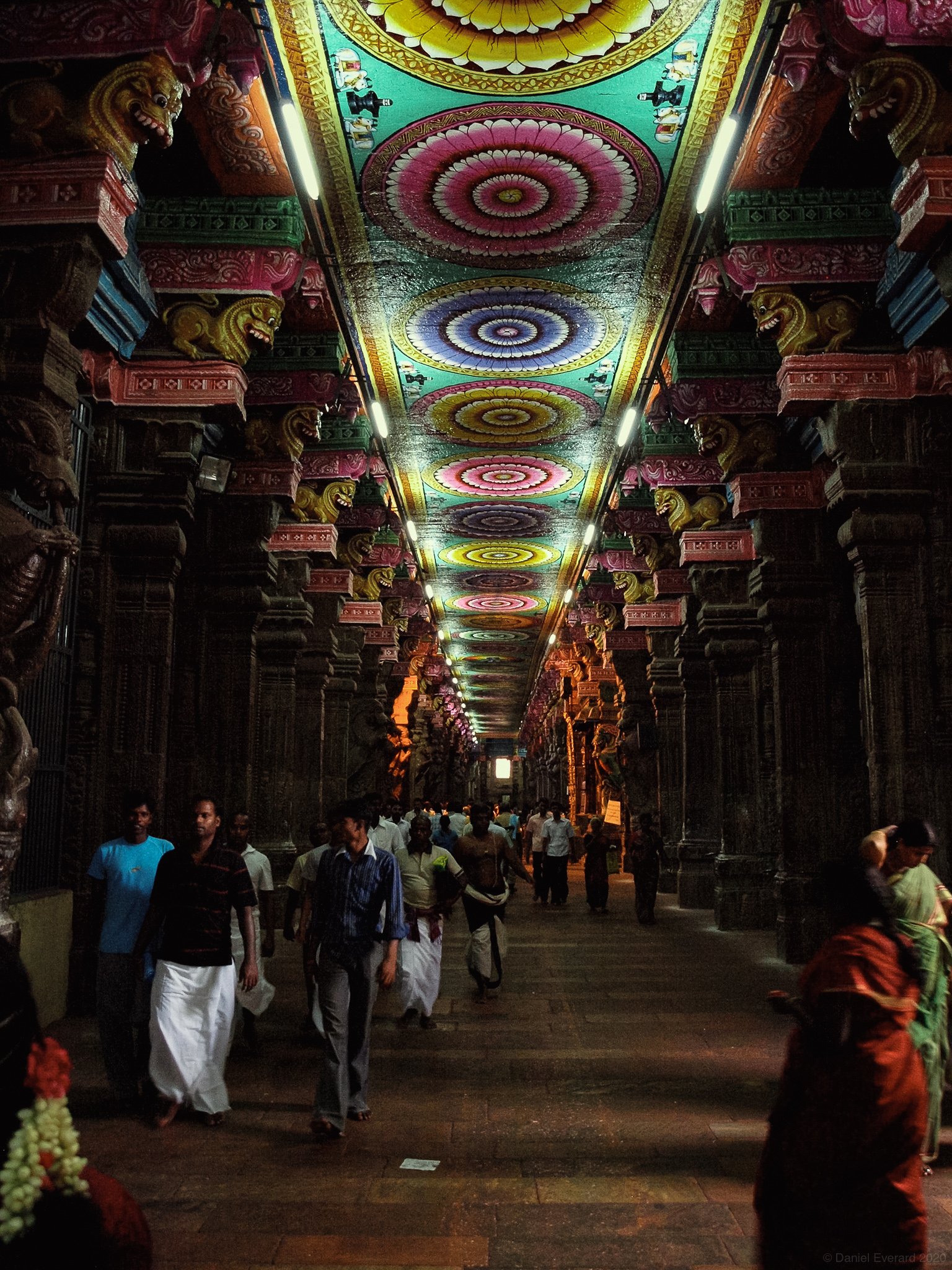
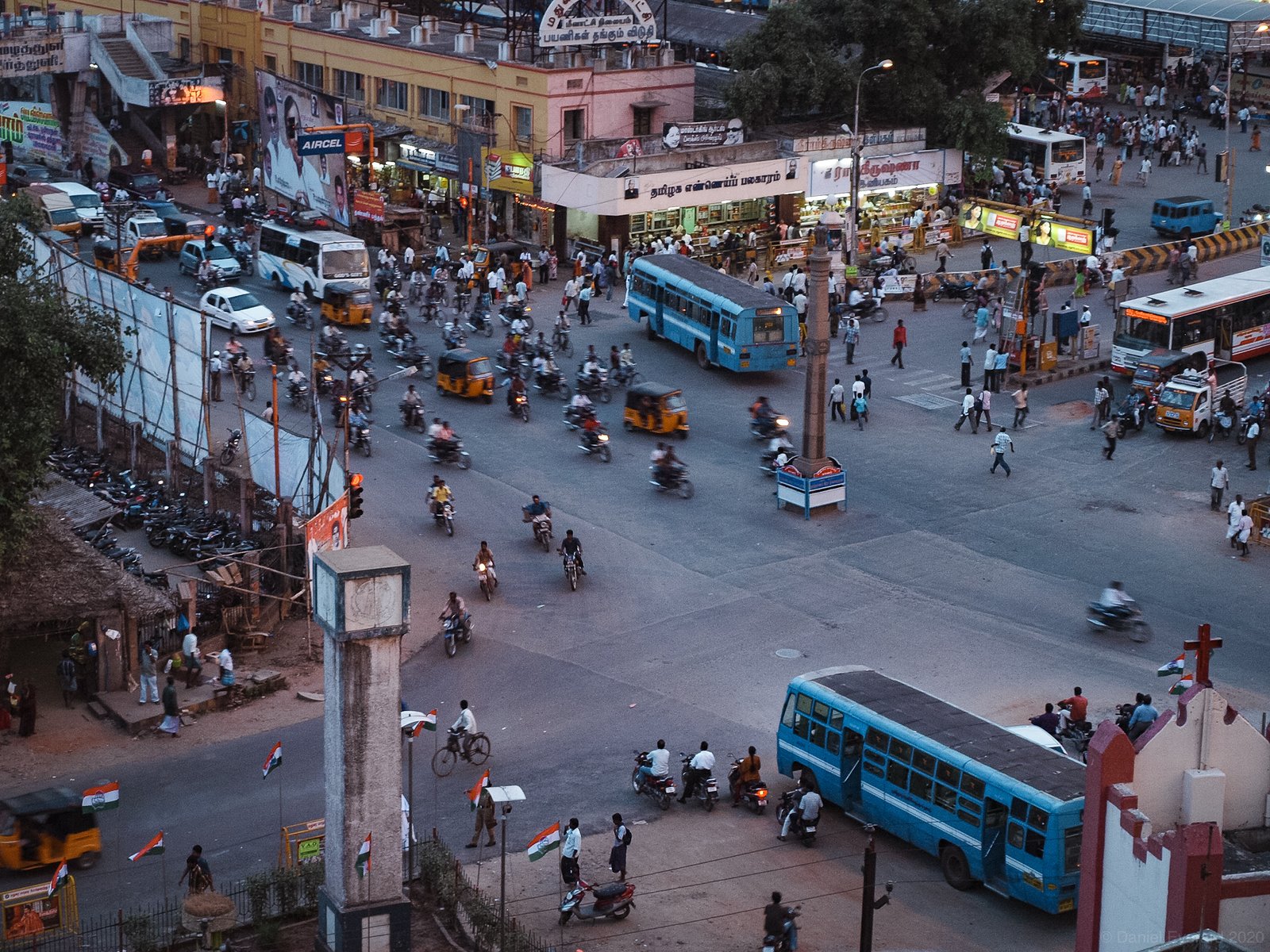
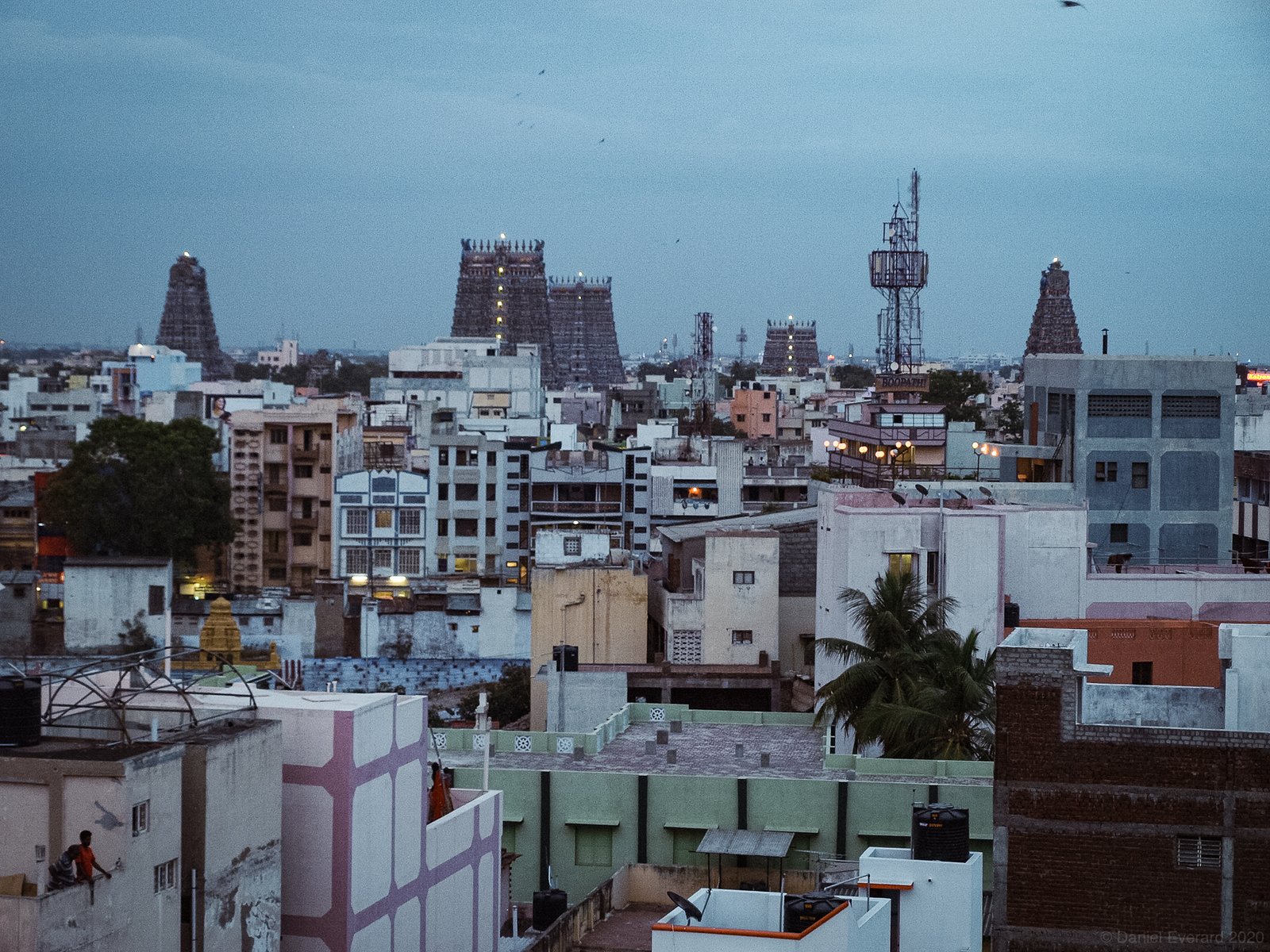
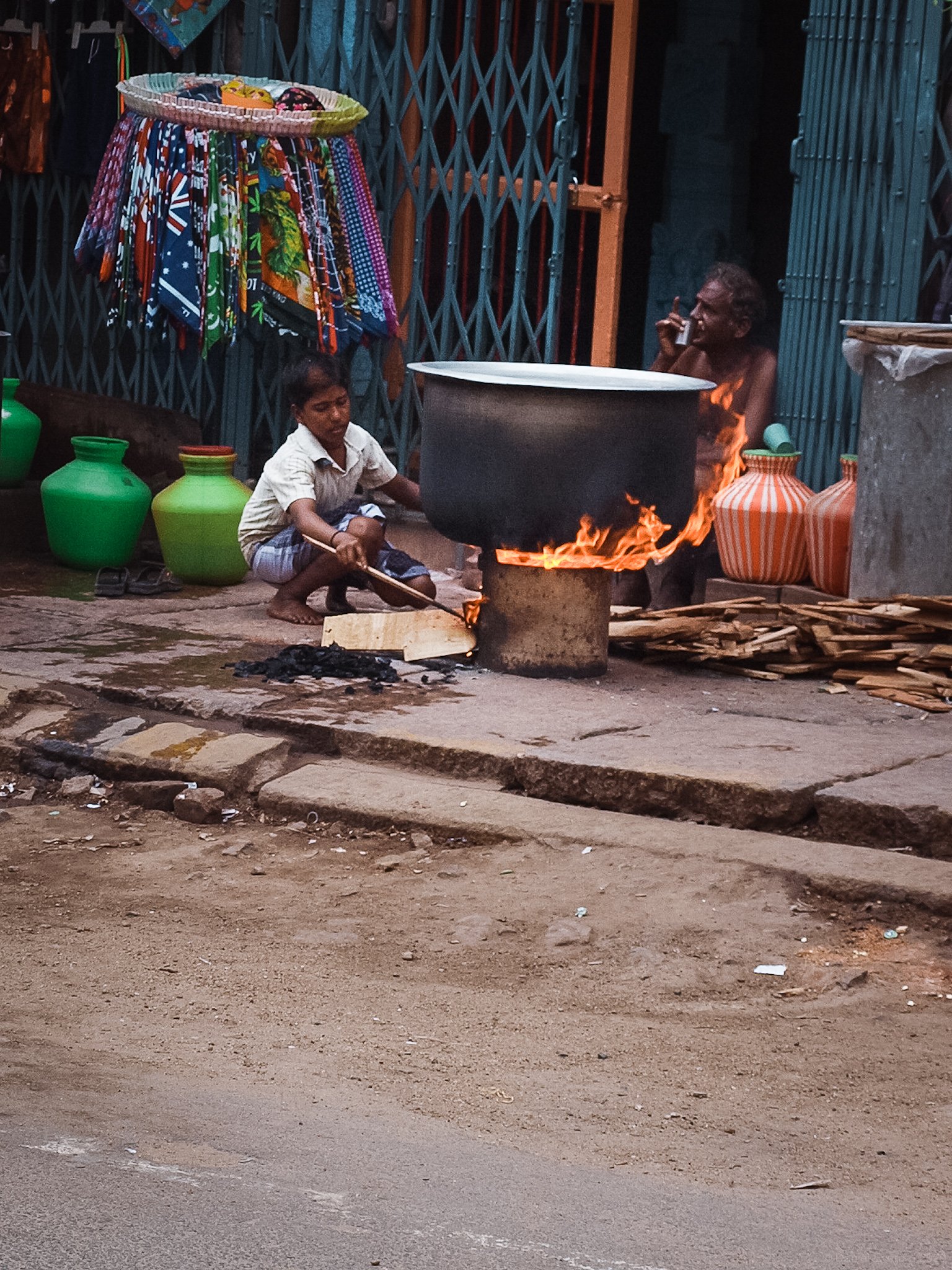
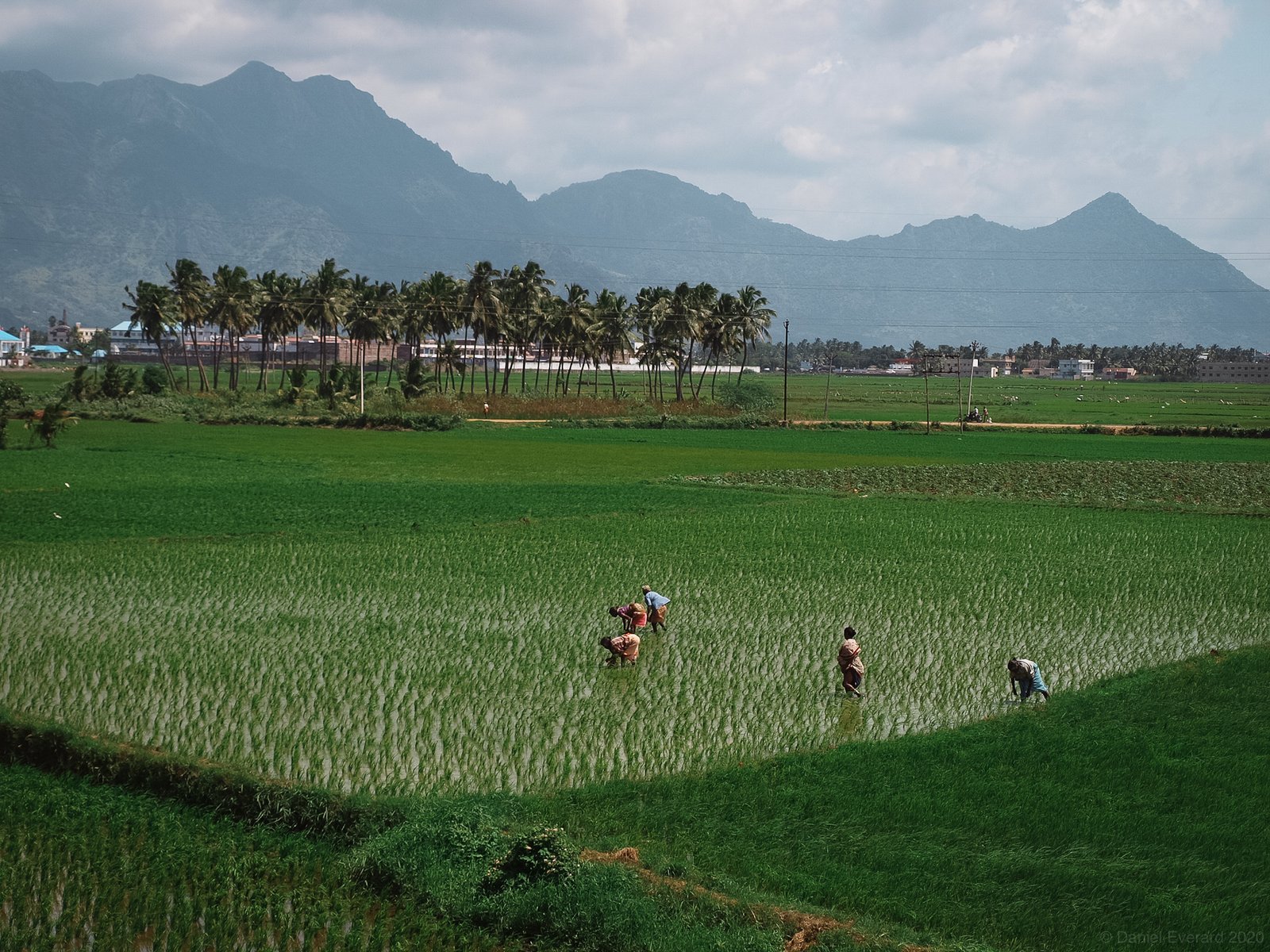
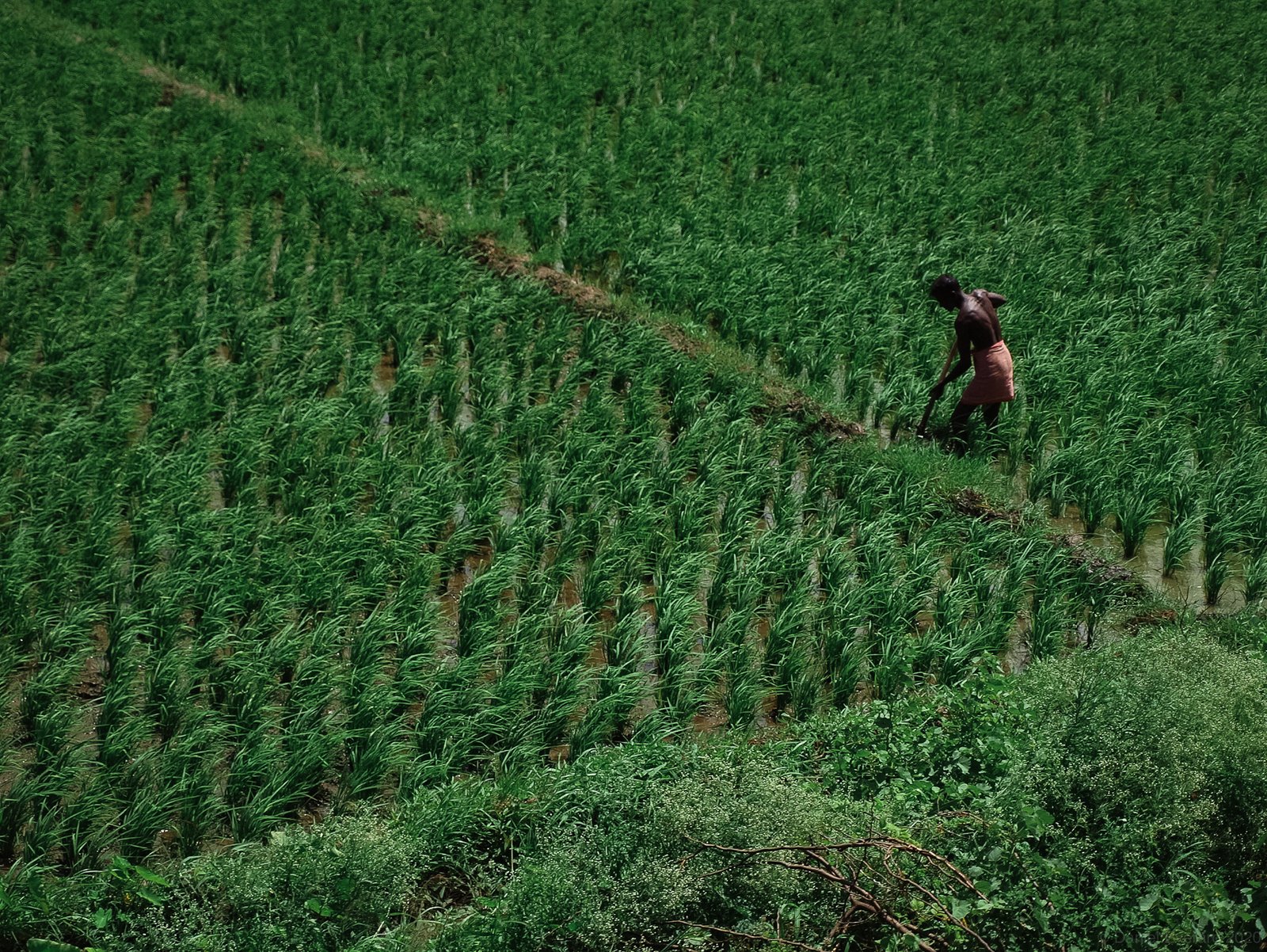
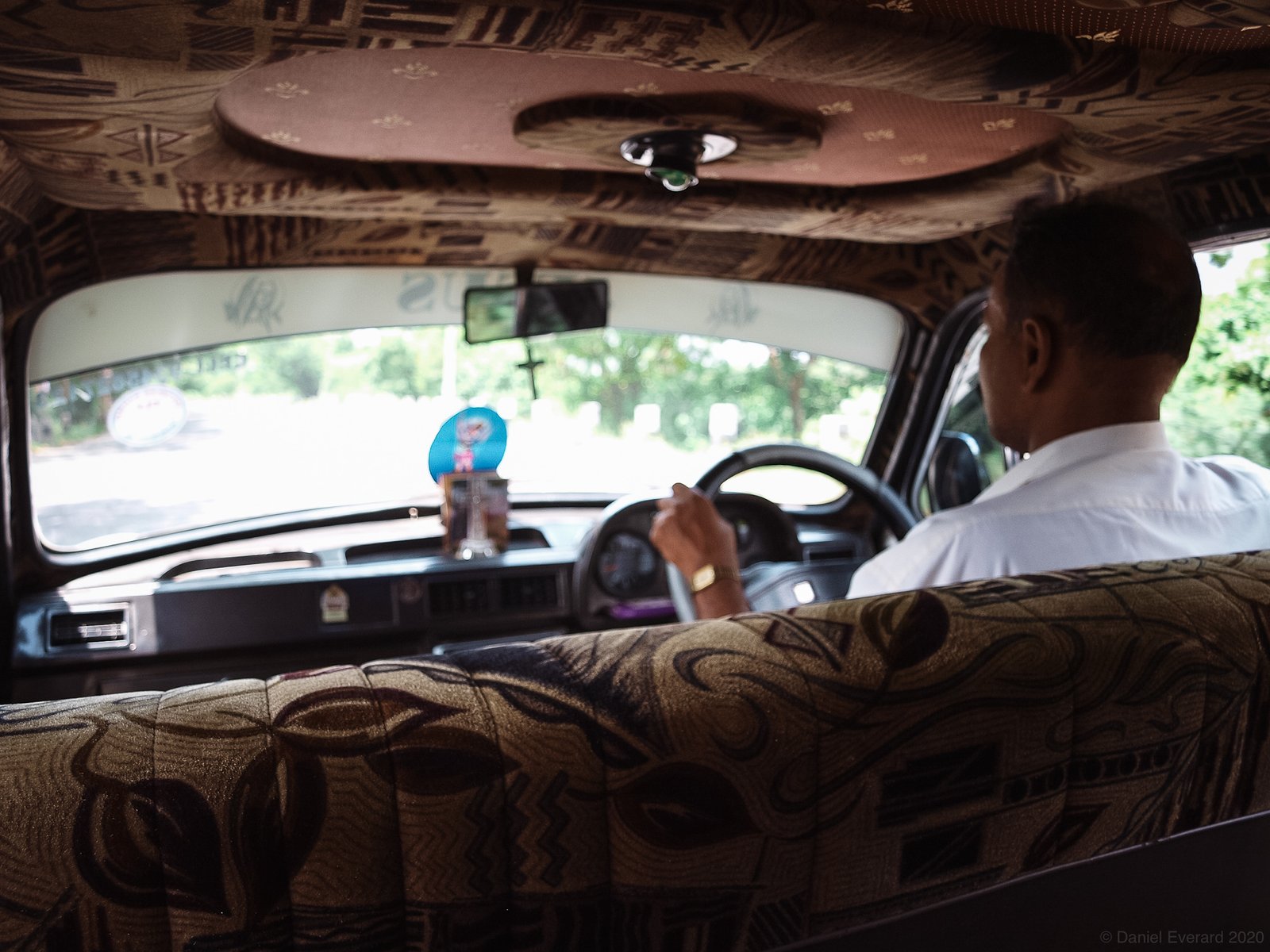
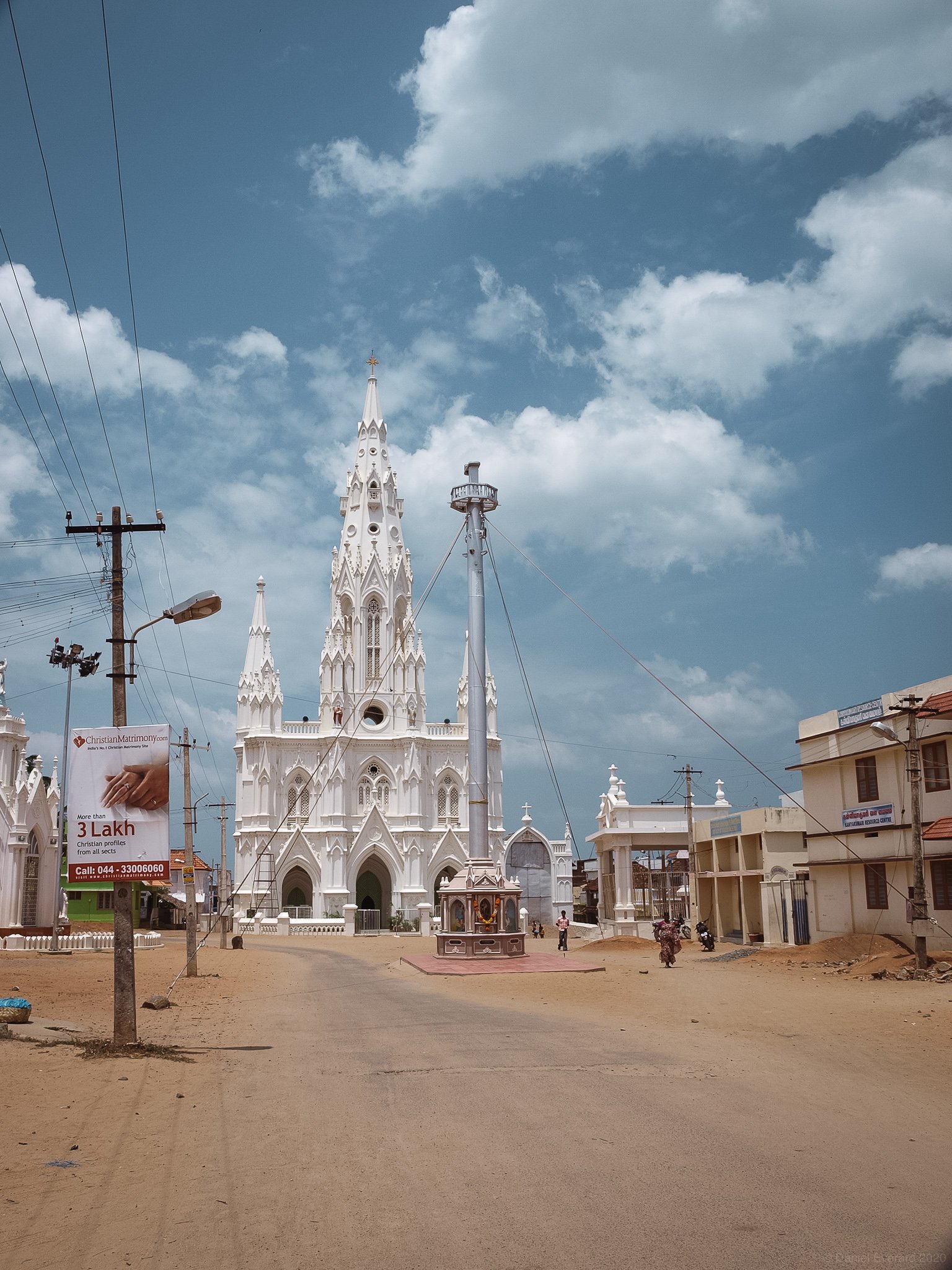
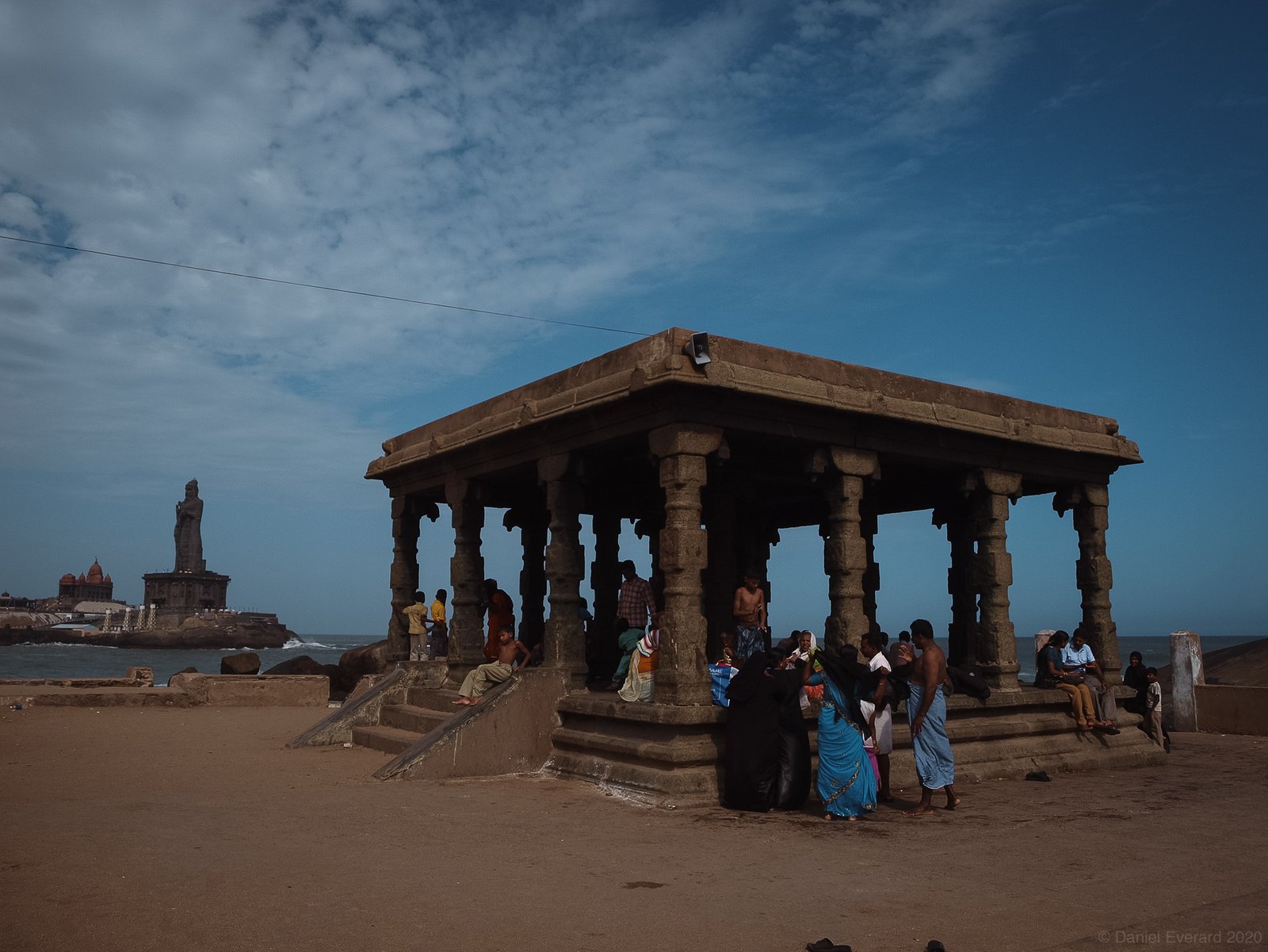
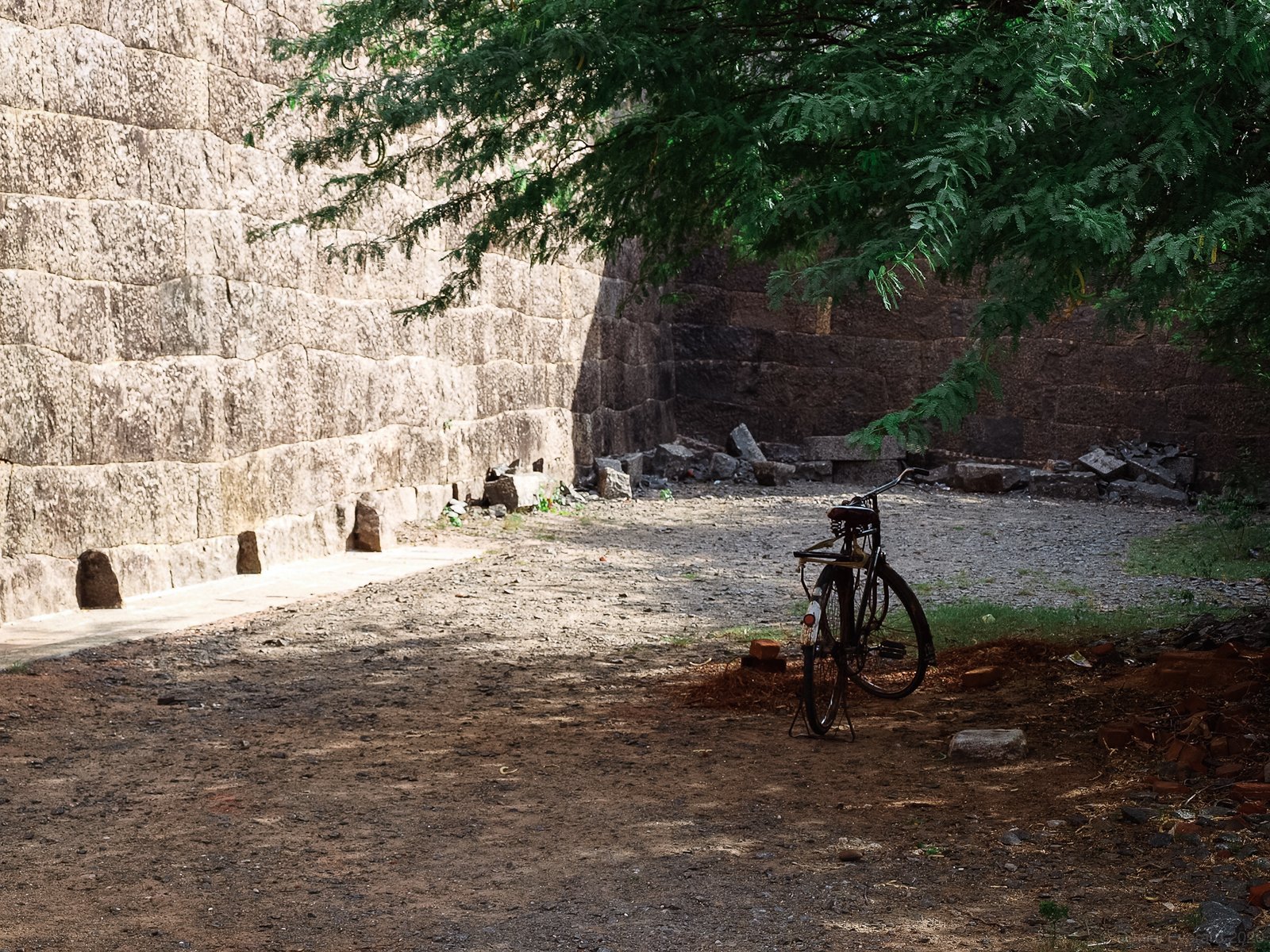
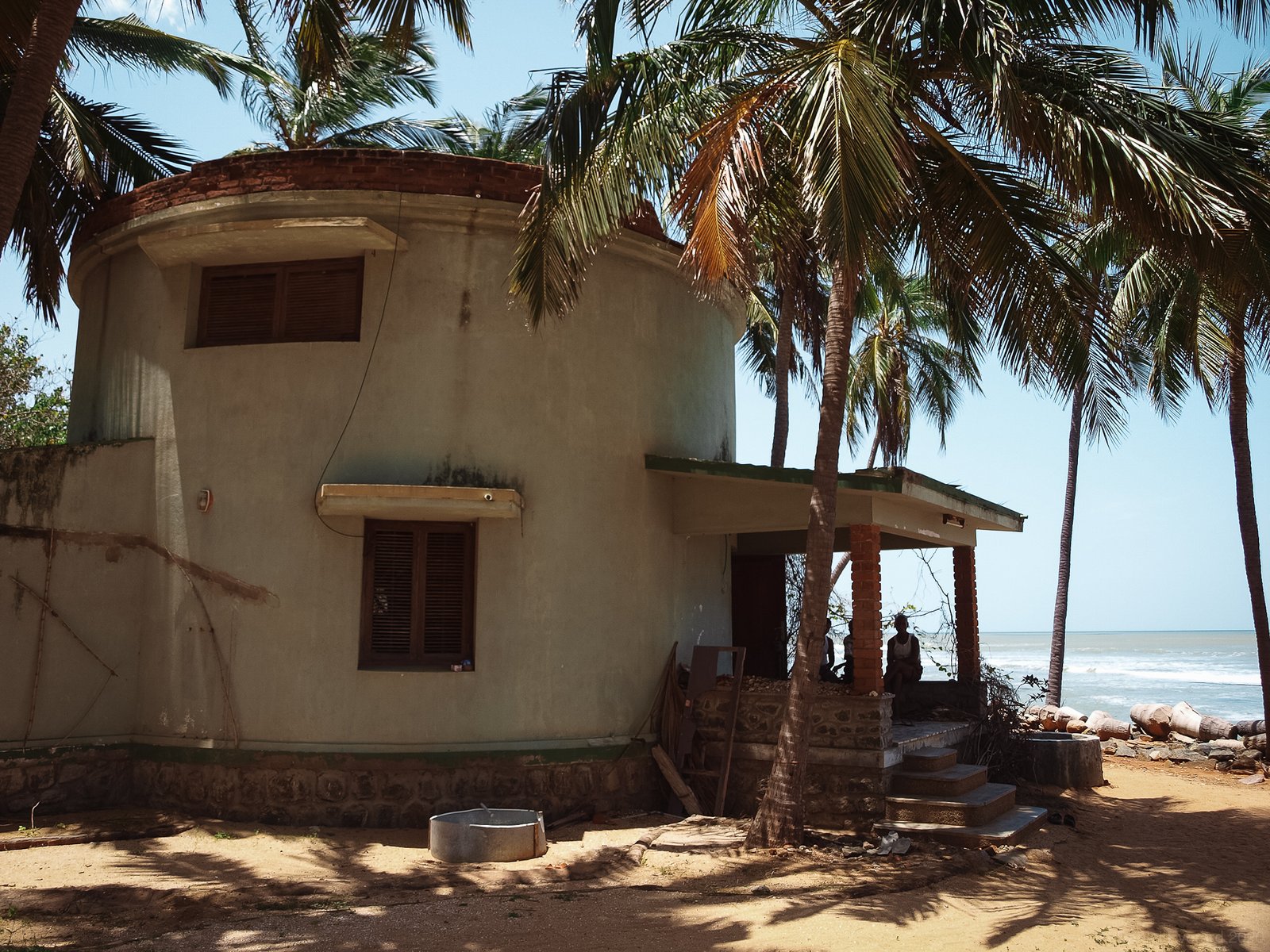
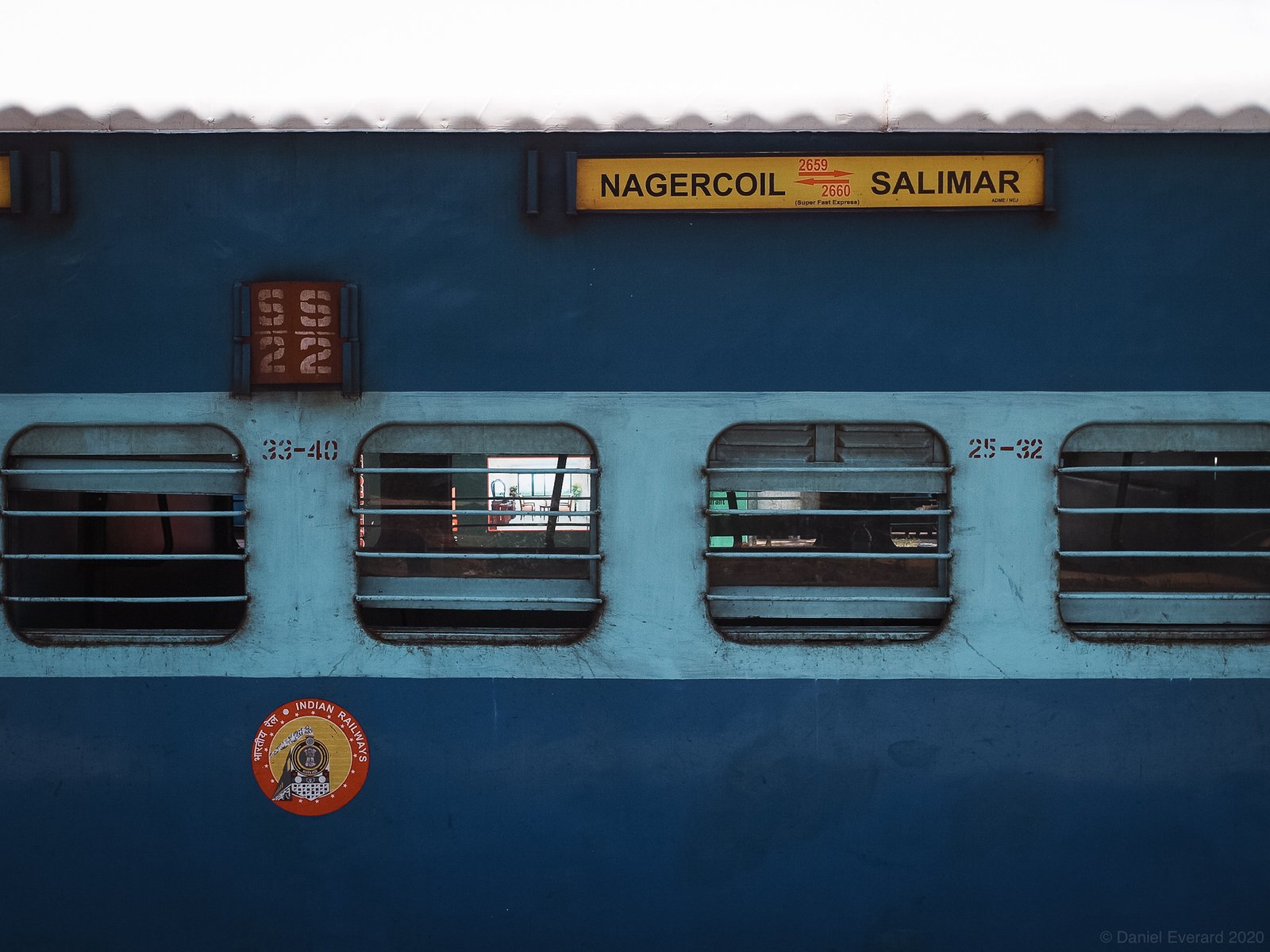
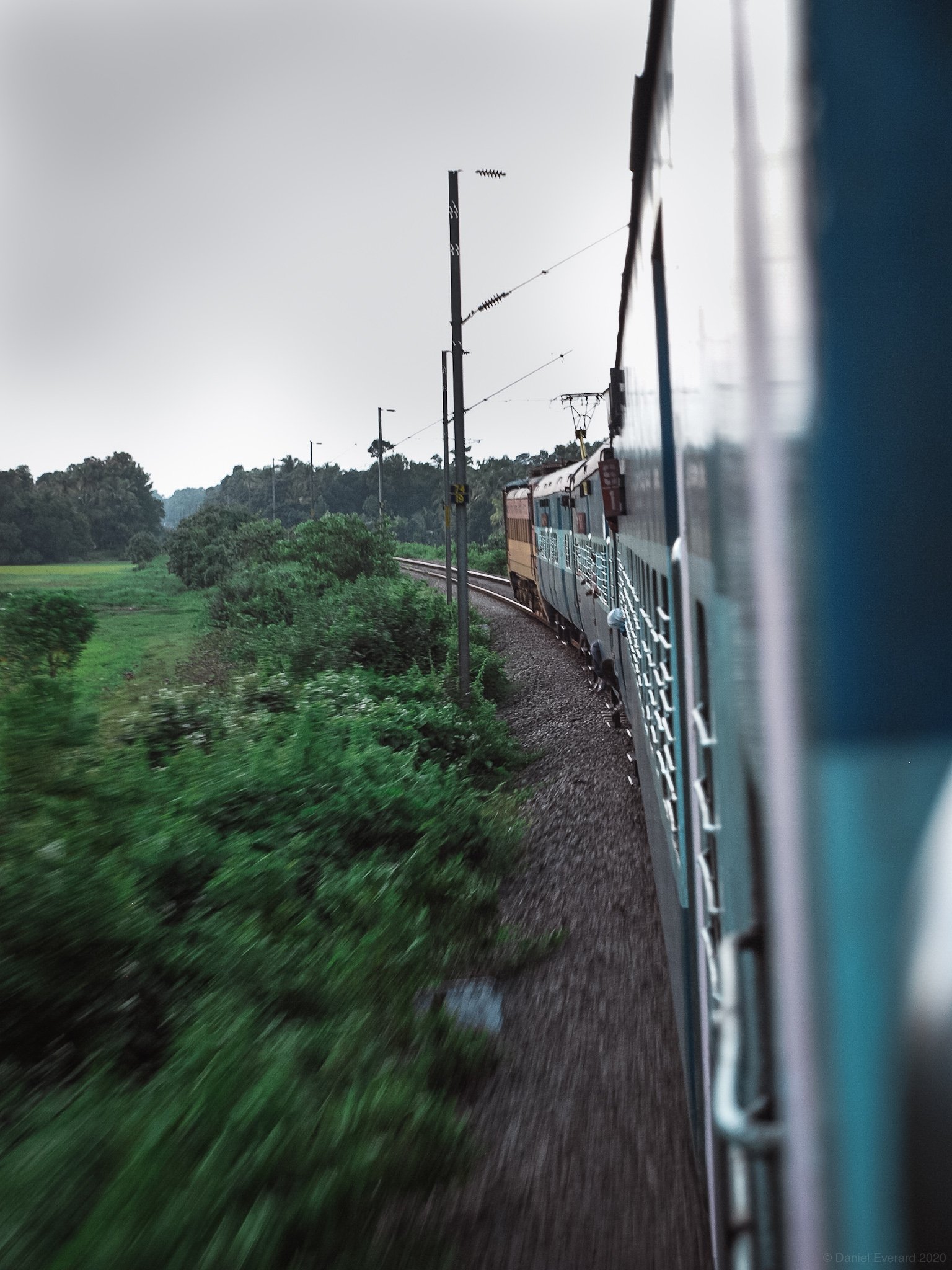
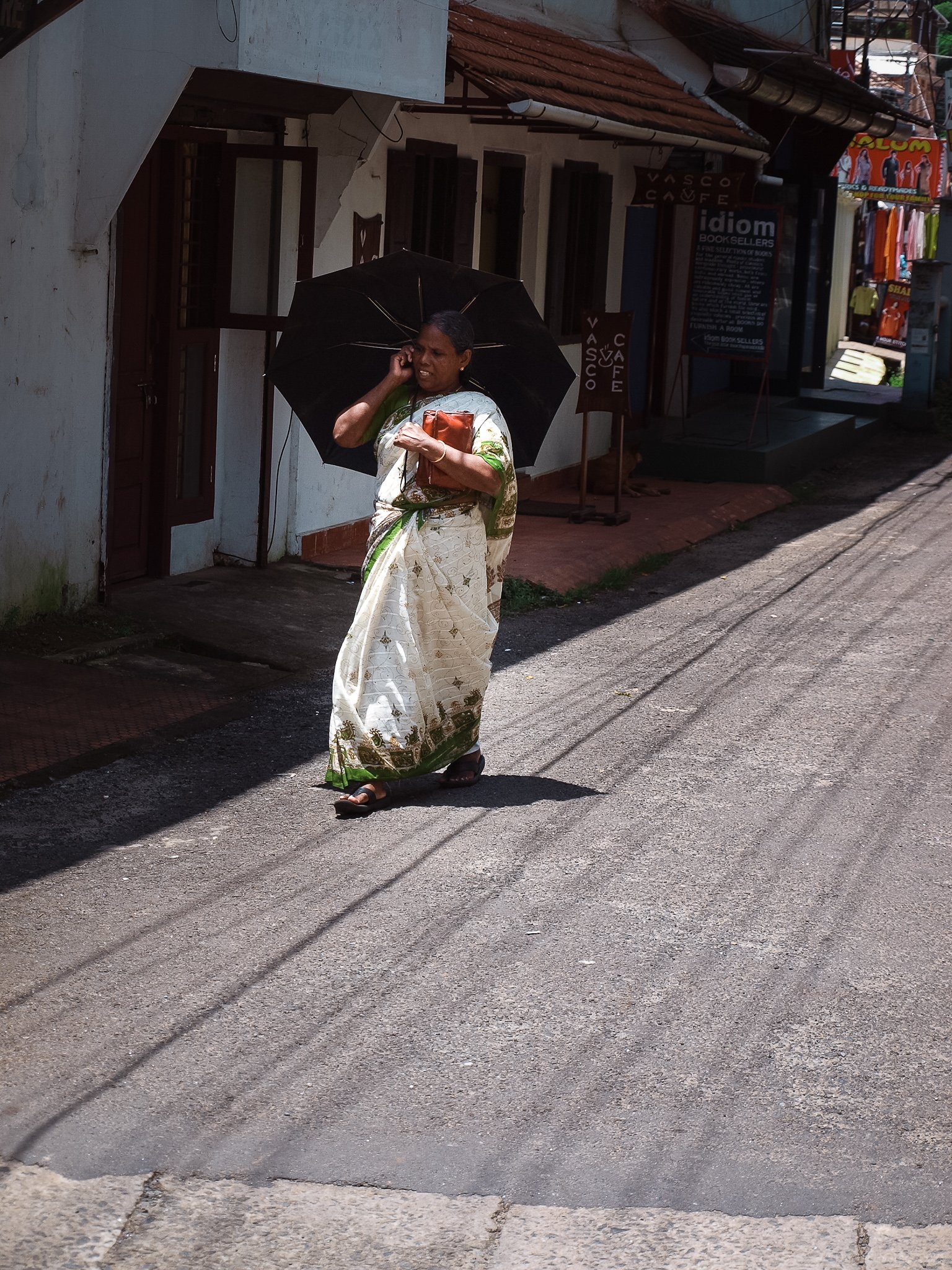
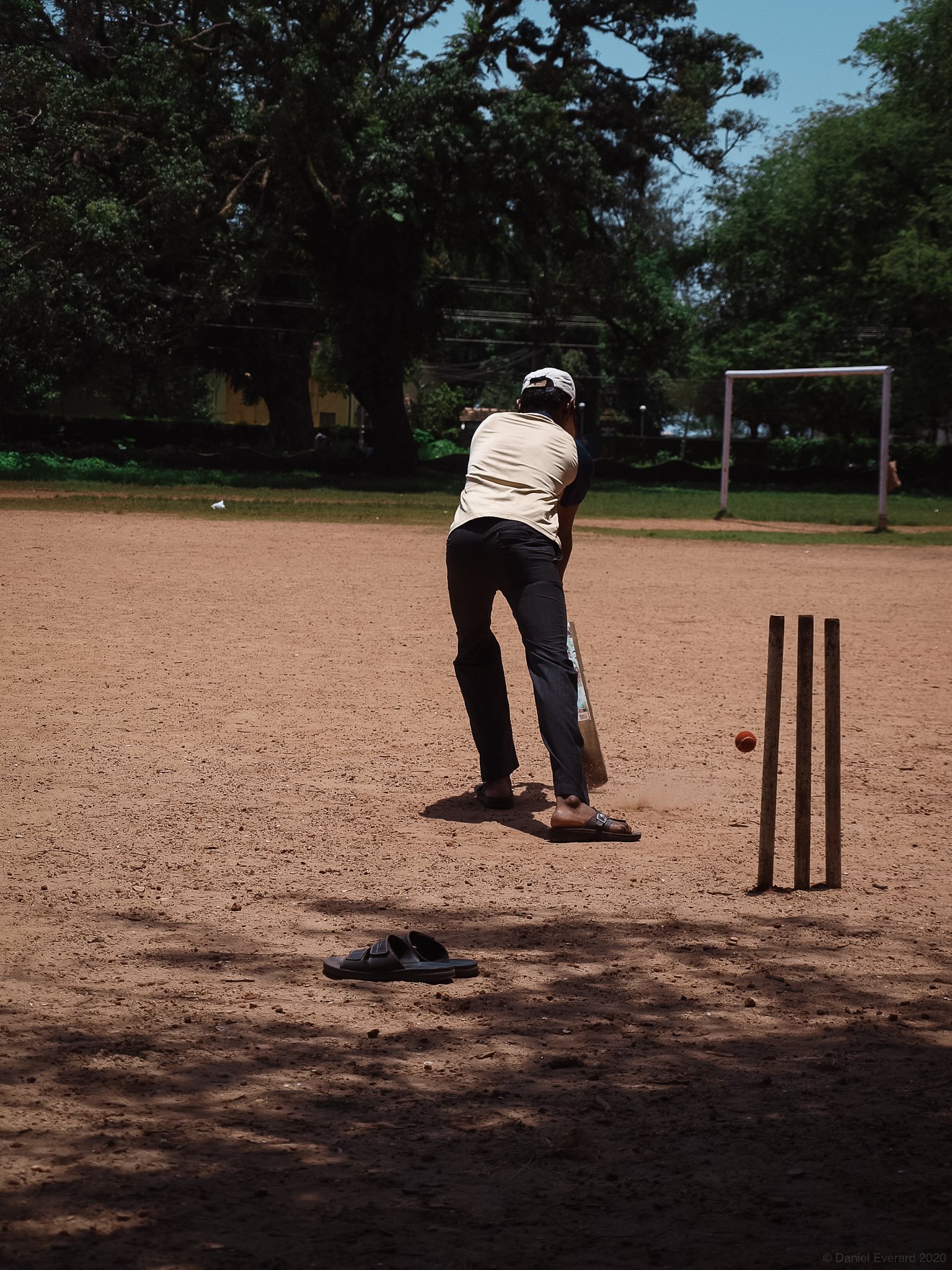
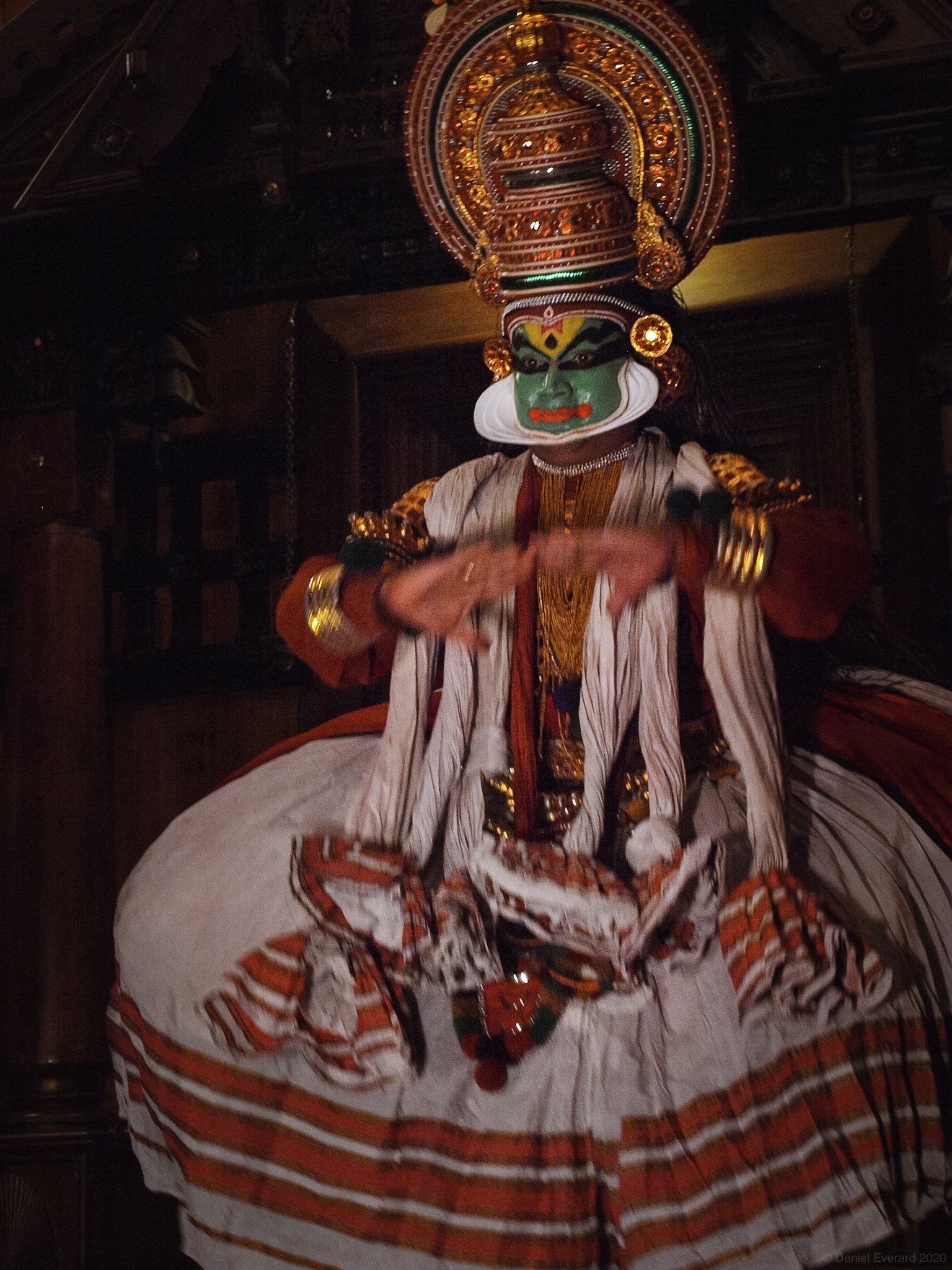
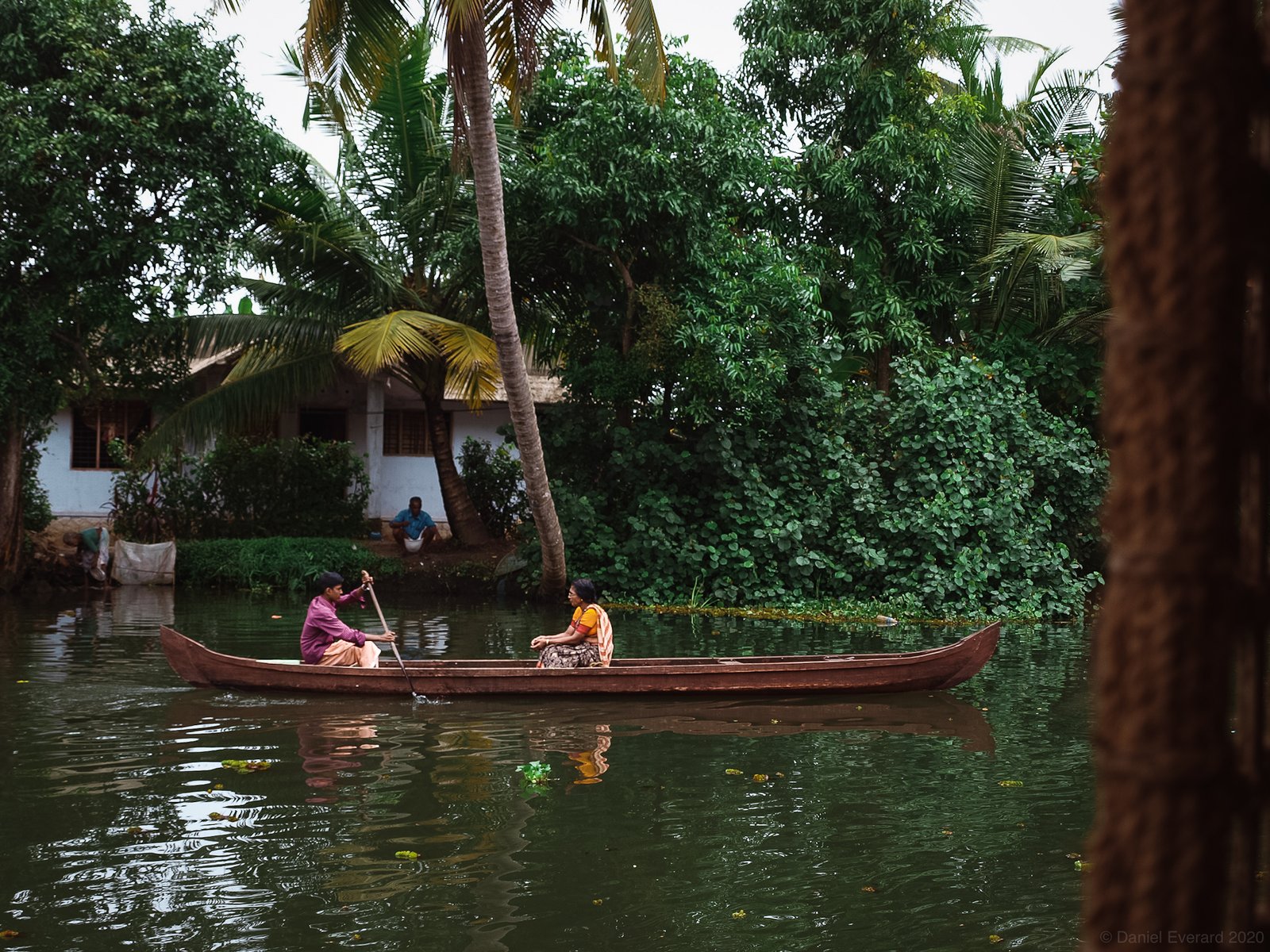
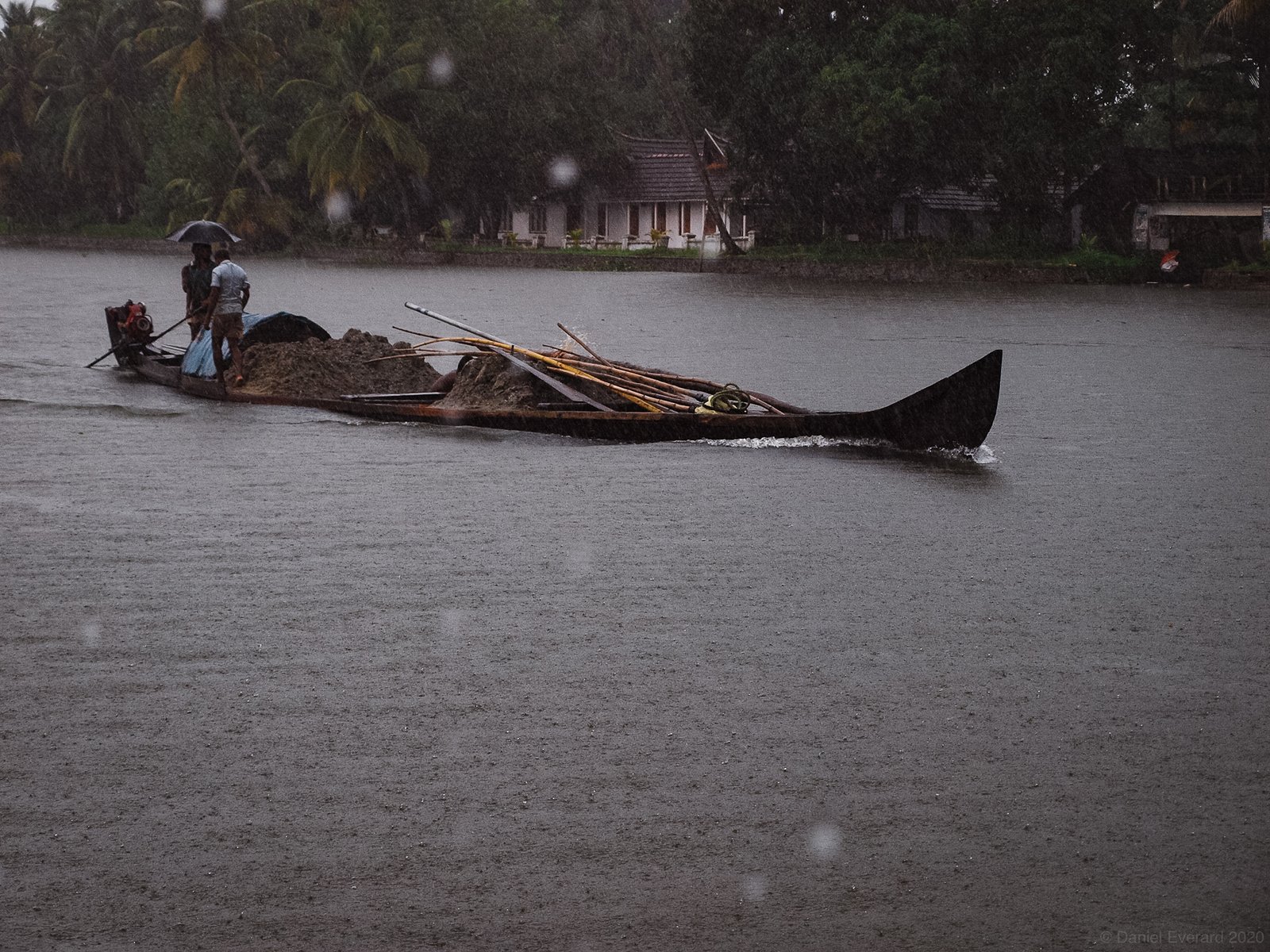
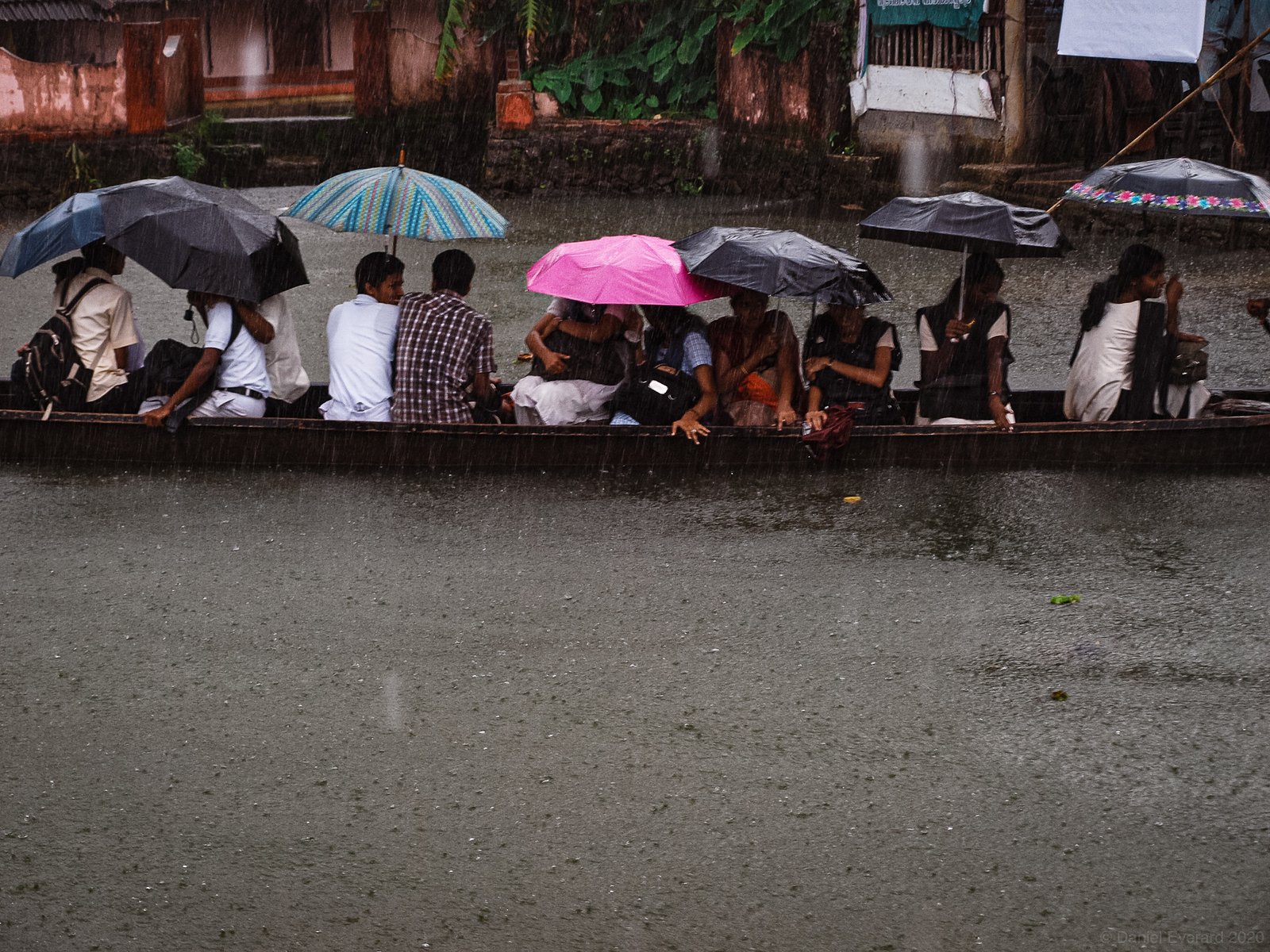
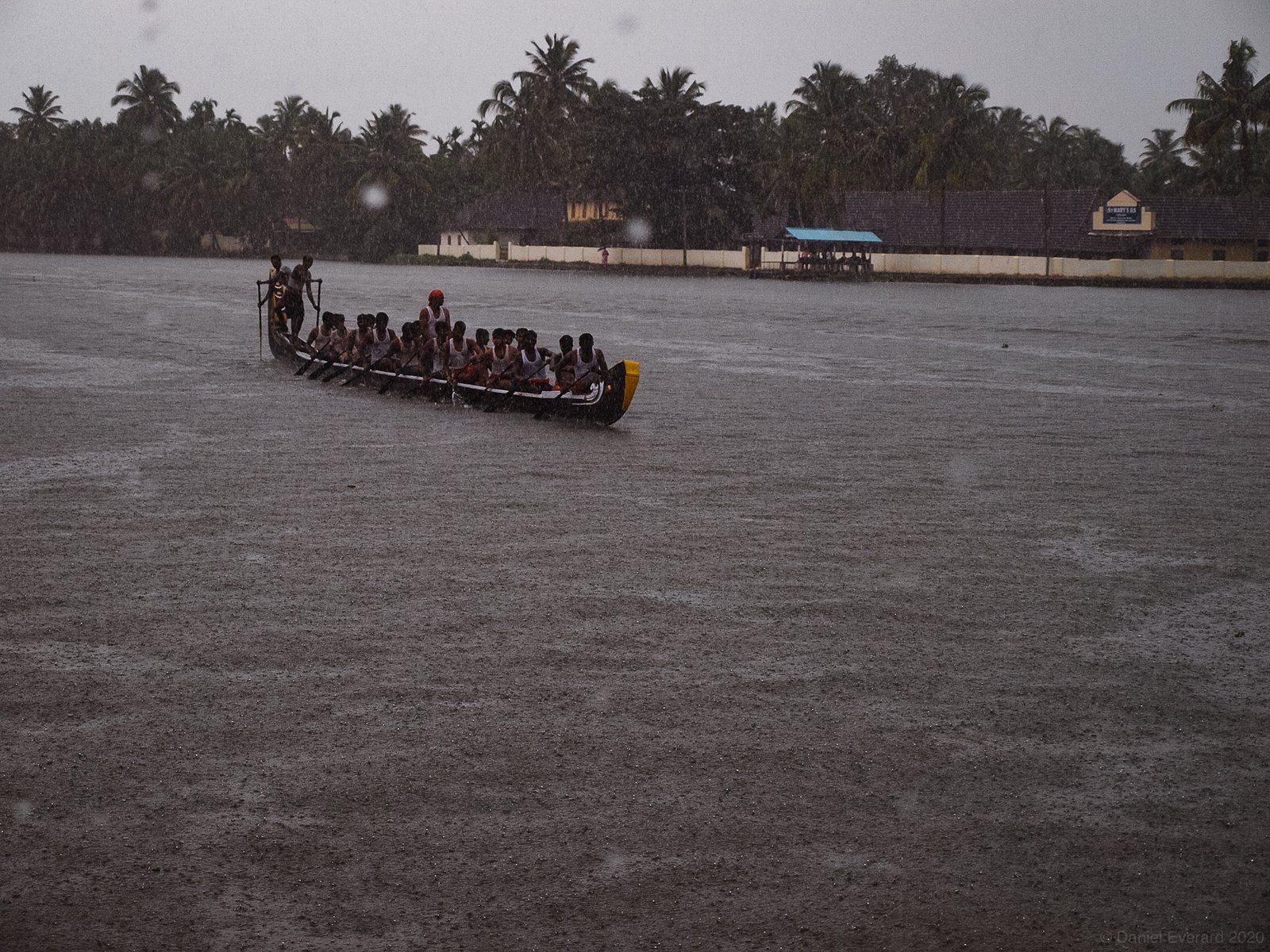
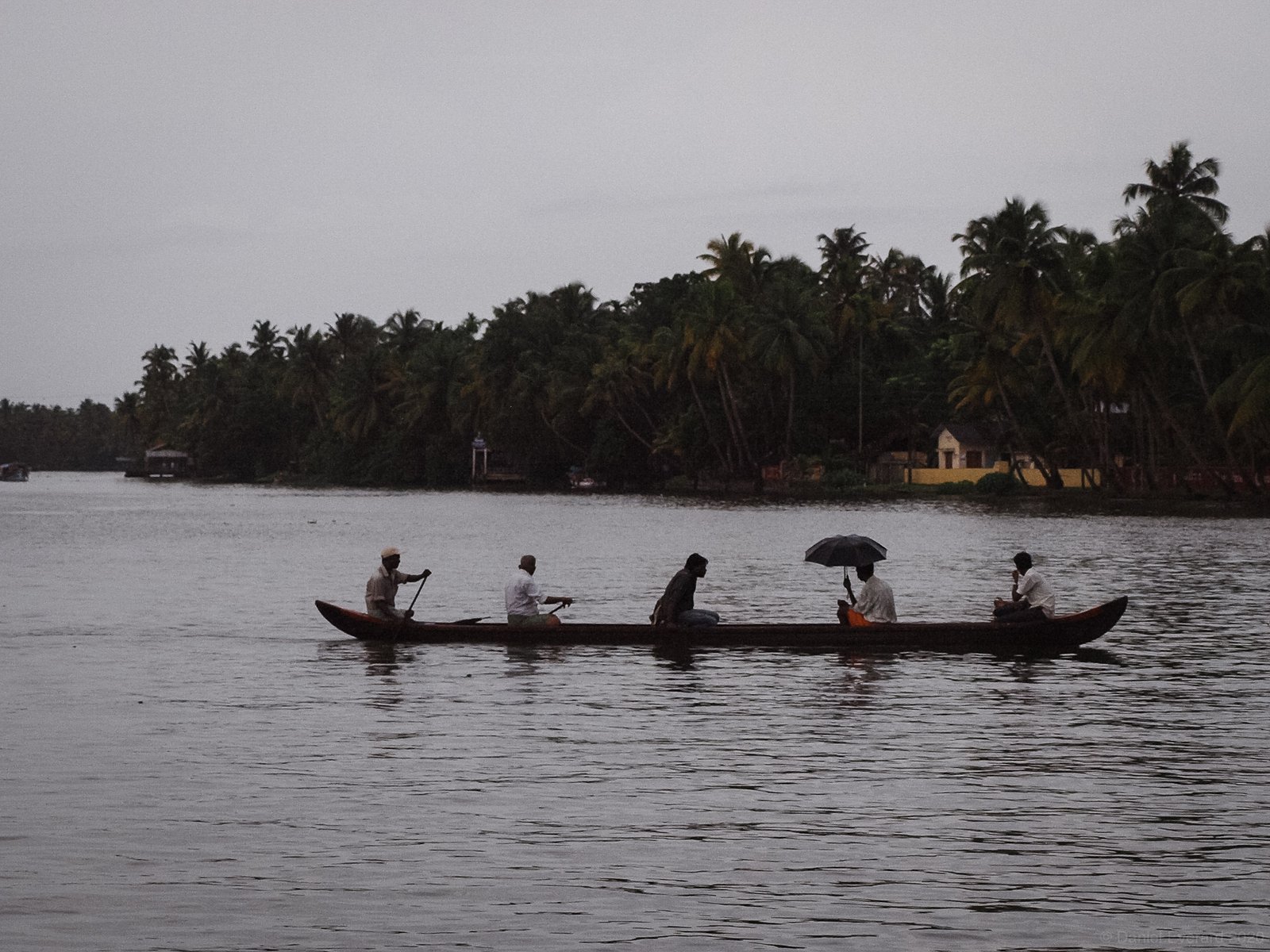
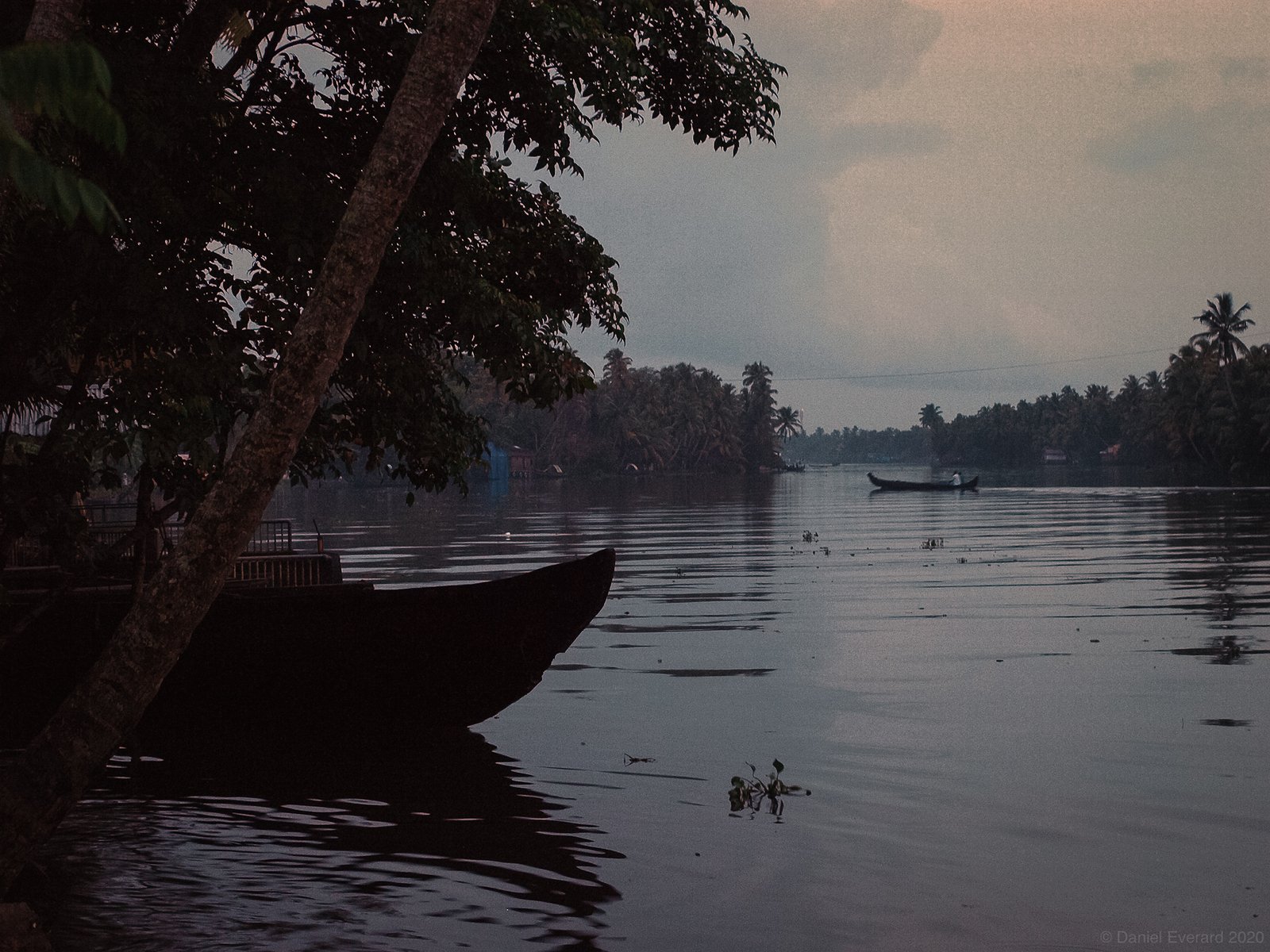
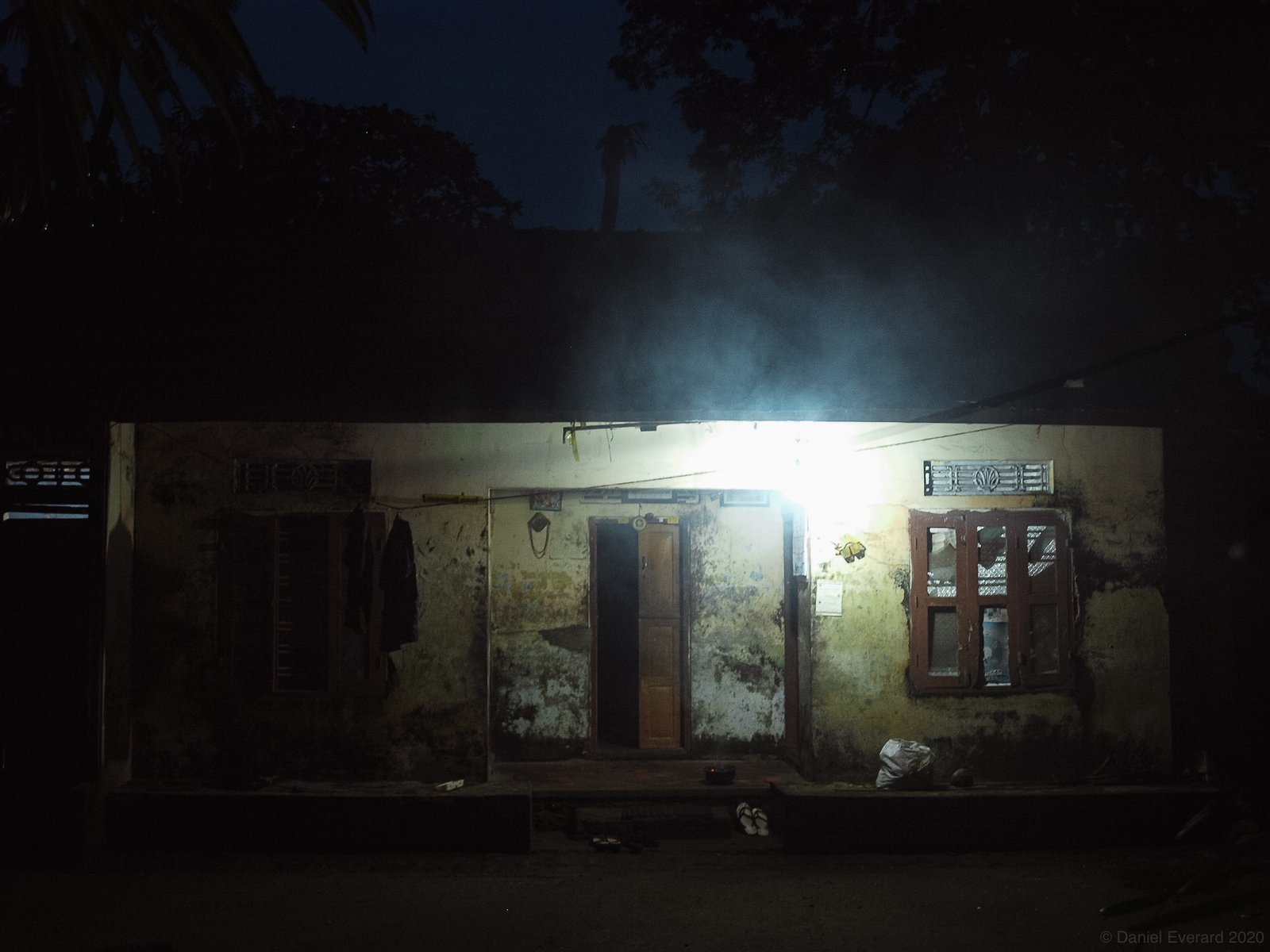
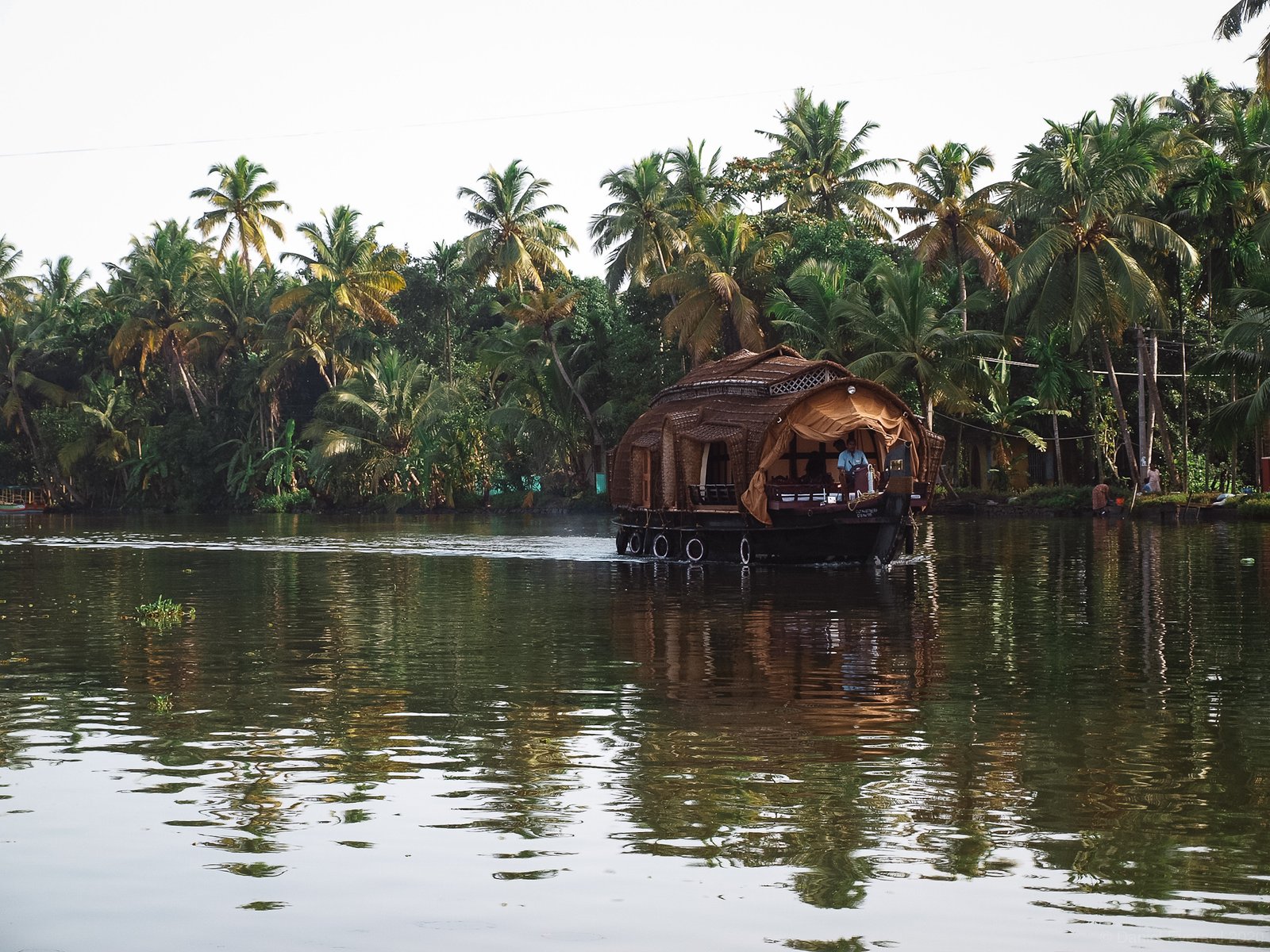
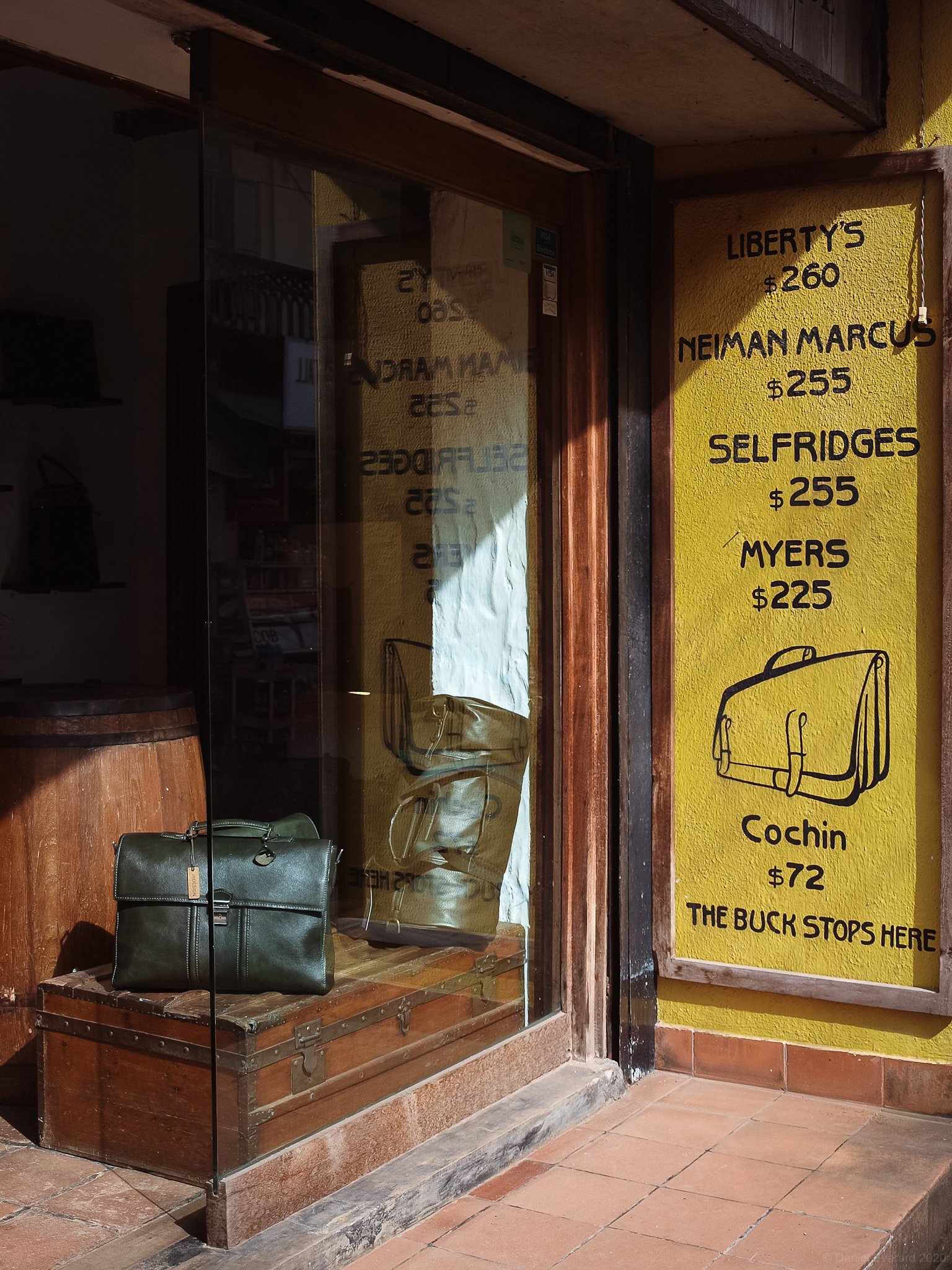
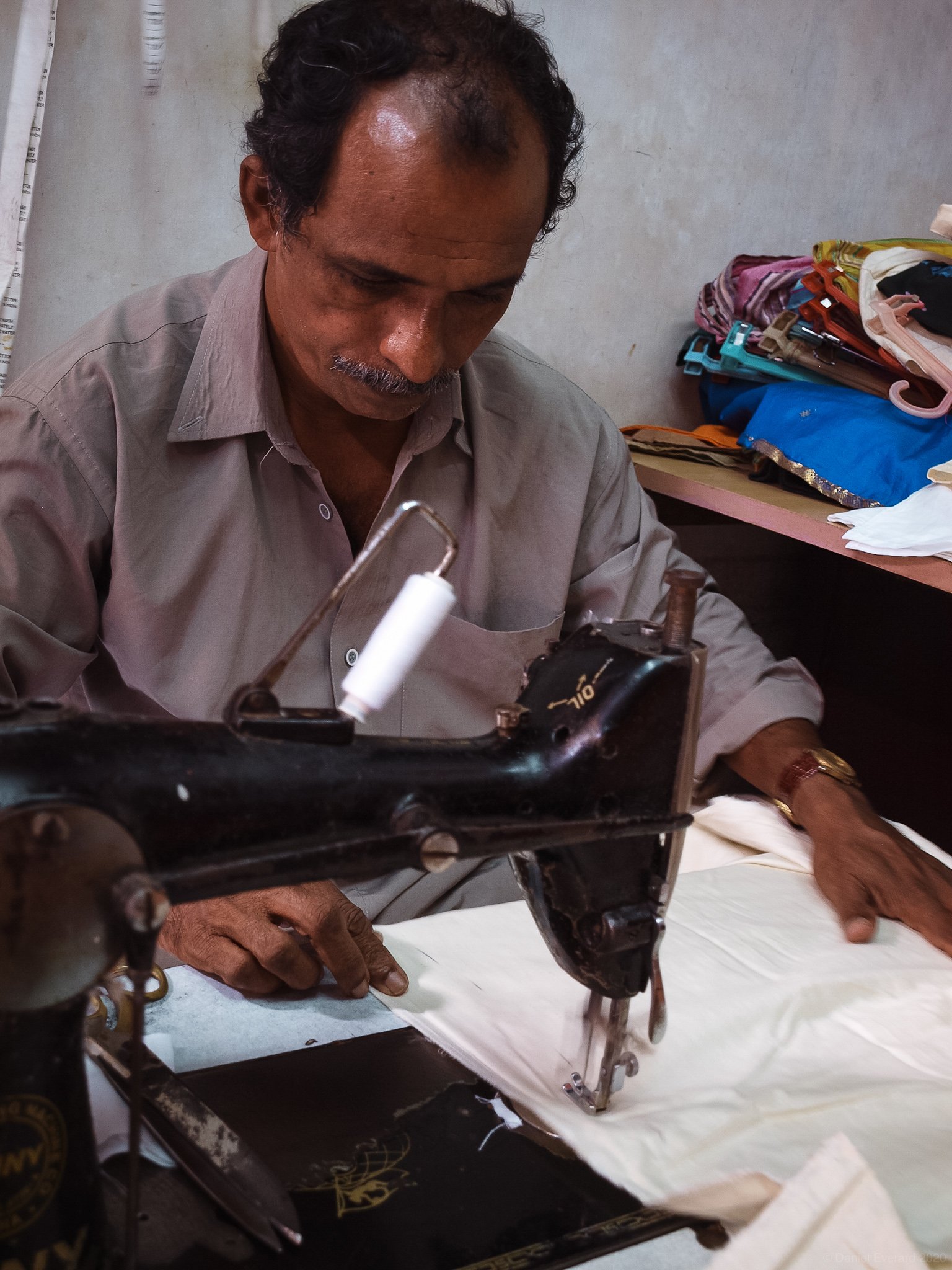
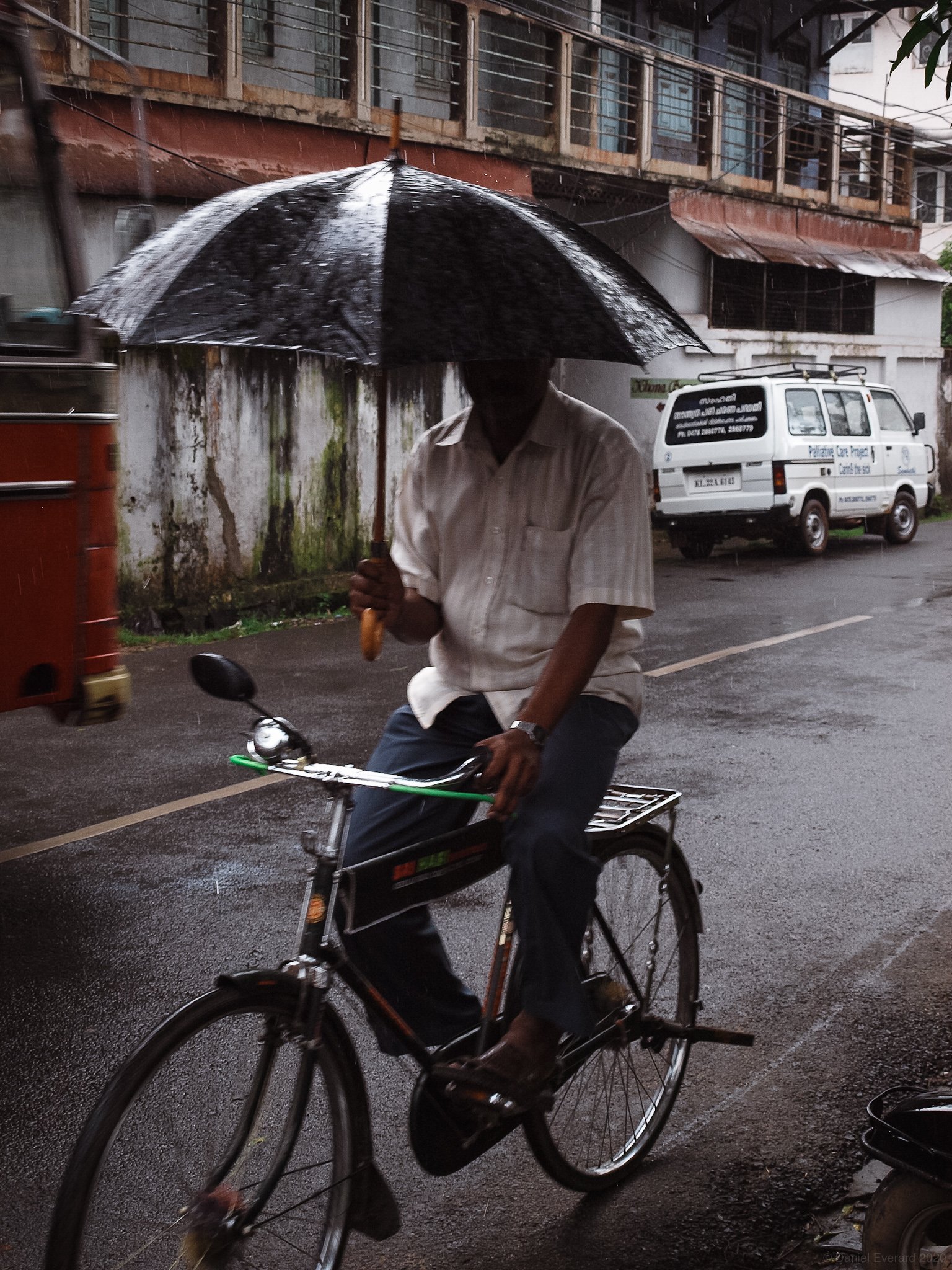
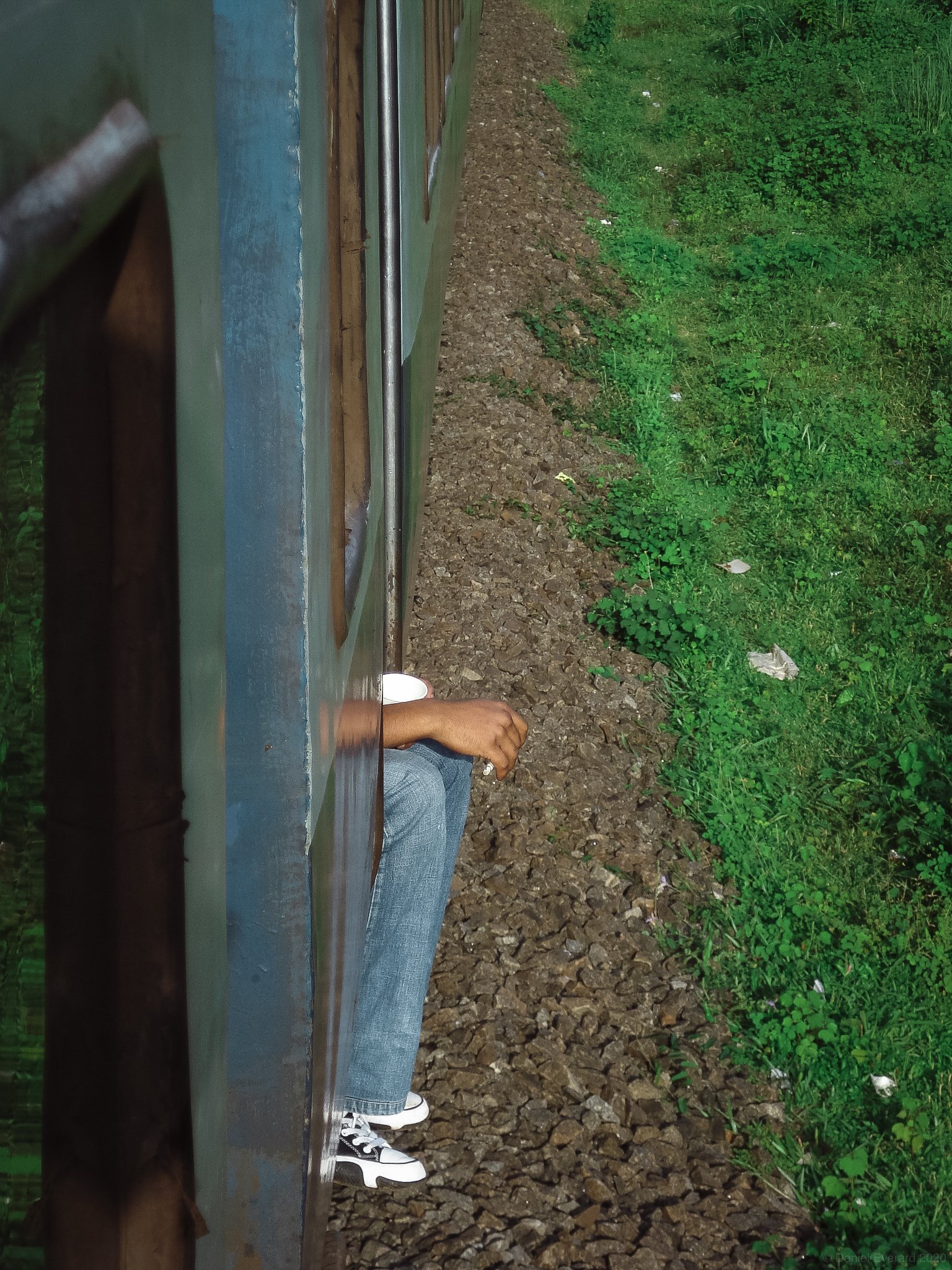
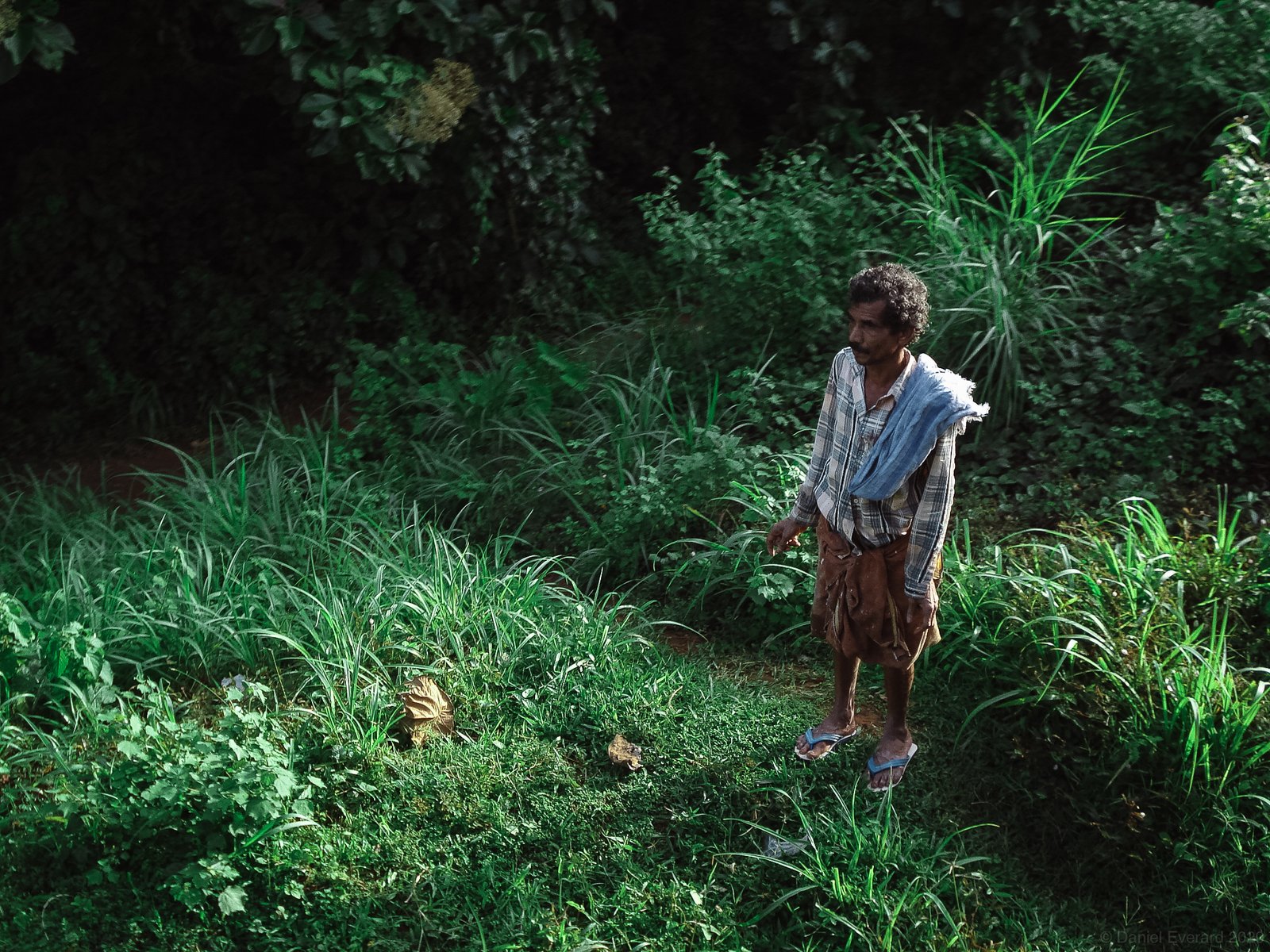
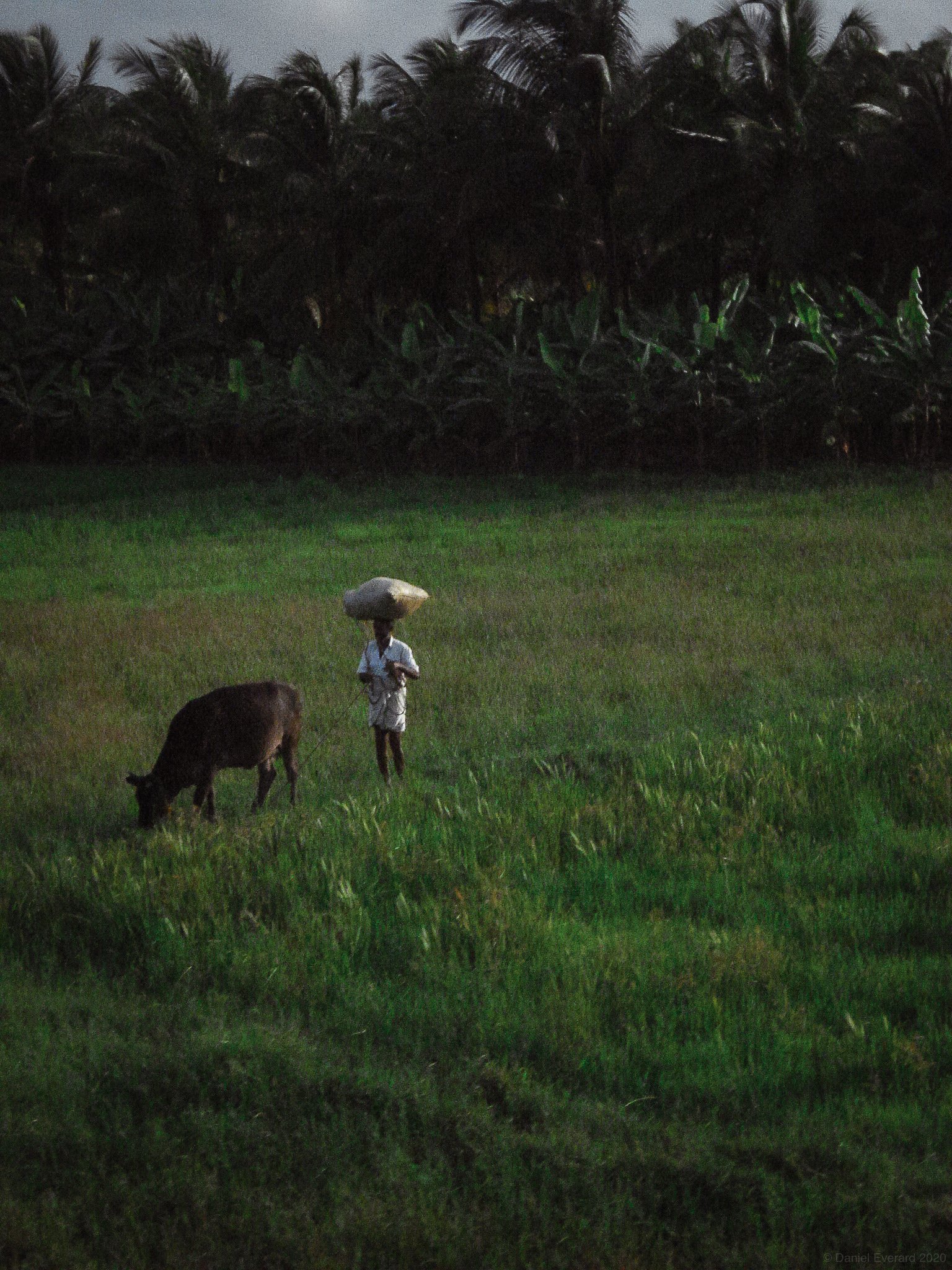
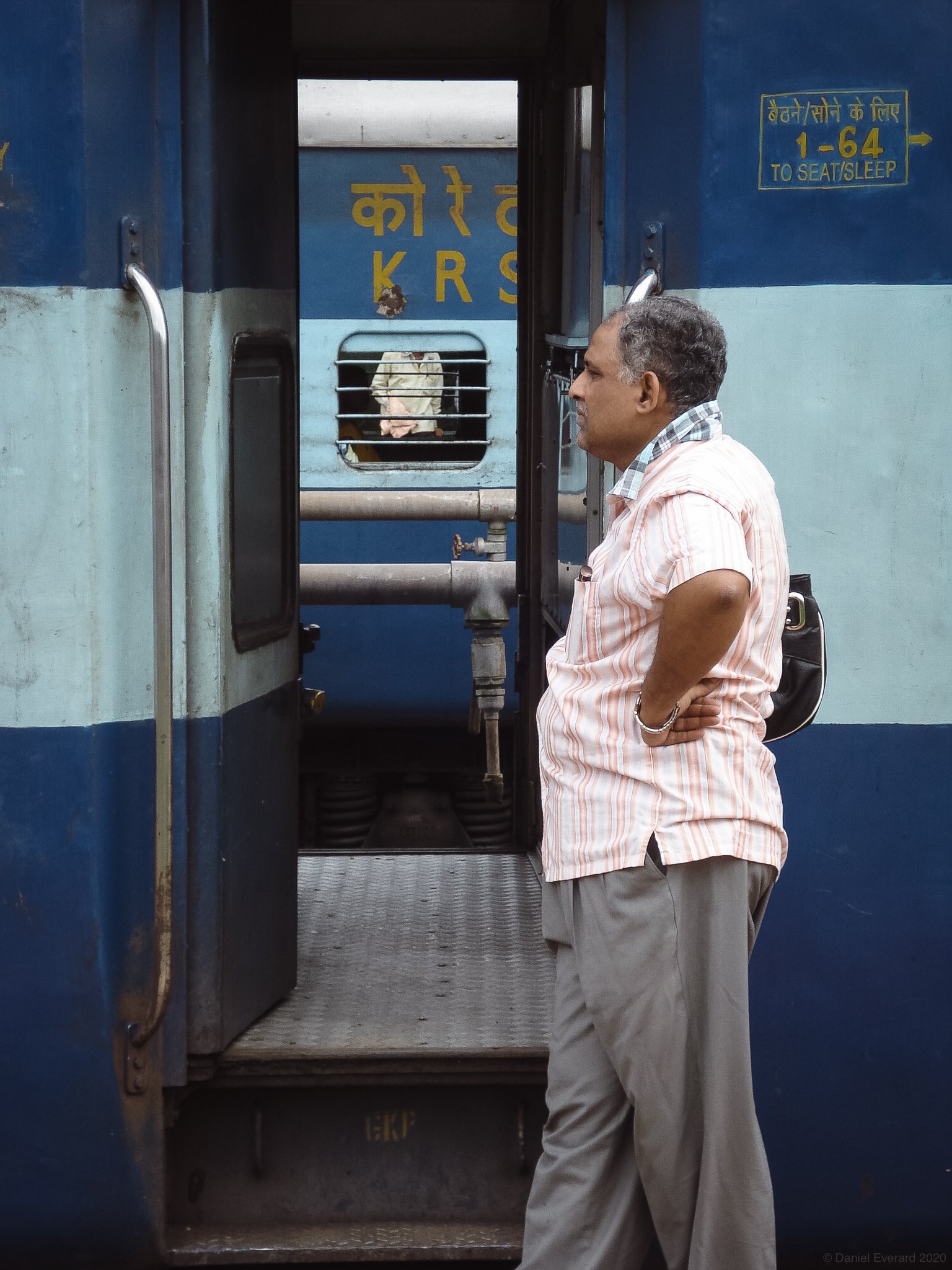
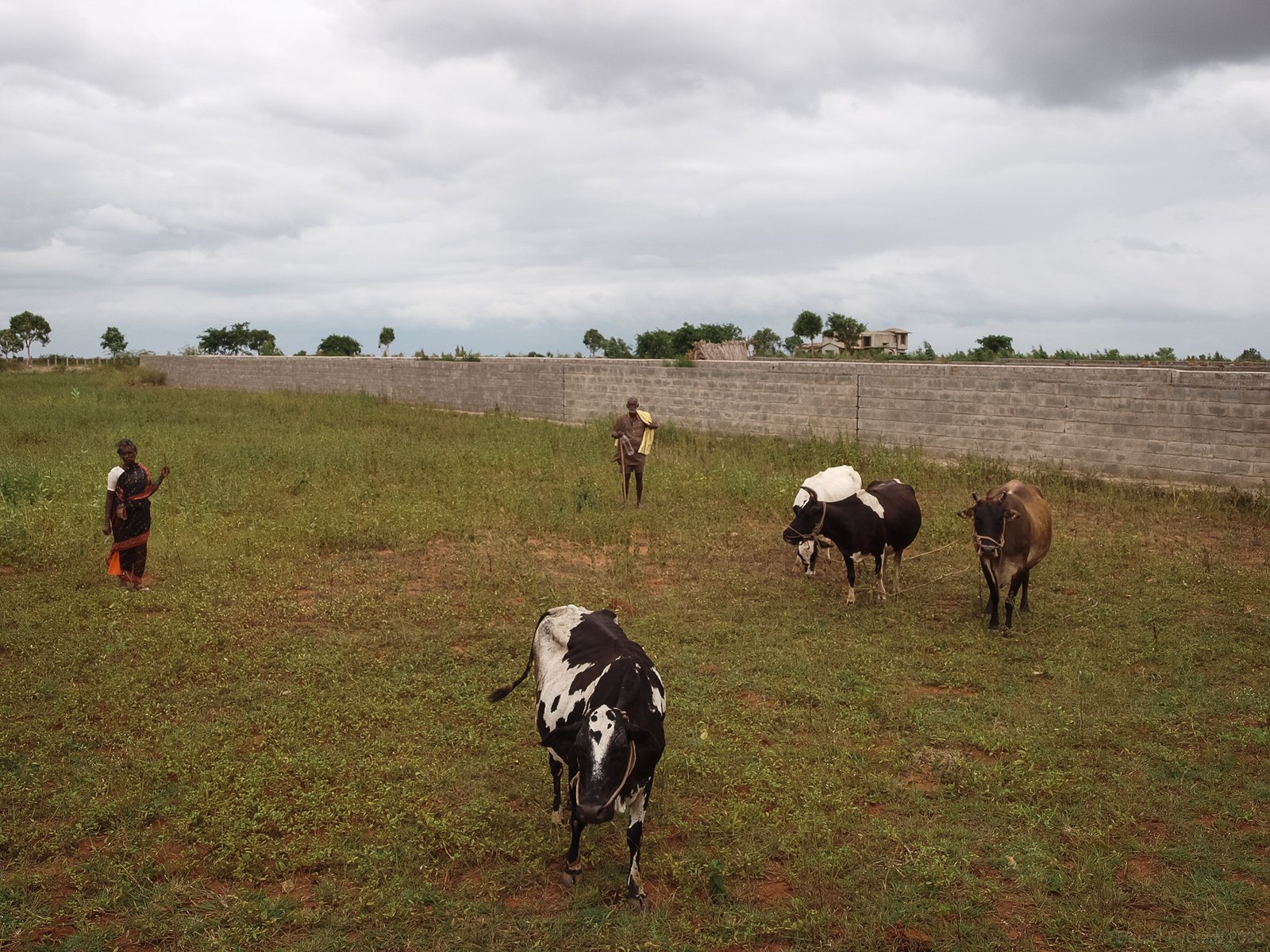
In 2010, Lucy and I took advantage of a business trip to Mumbai as an opportunity to travel around the south of India. The trip, over the course of 5 weeks, included a friend’s wedding in Bangalore, followed by many train, bus, and taxi rides taking in Mysore, the mountains of Western Karnataka, Pondicherry, Madurai, Kanyakumari, Kochin, and Mumbai. There are many stories to tell from these travels, but for now a selection of photos I made along the way.
































































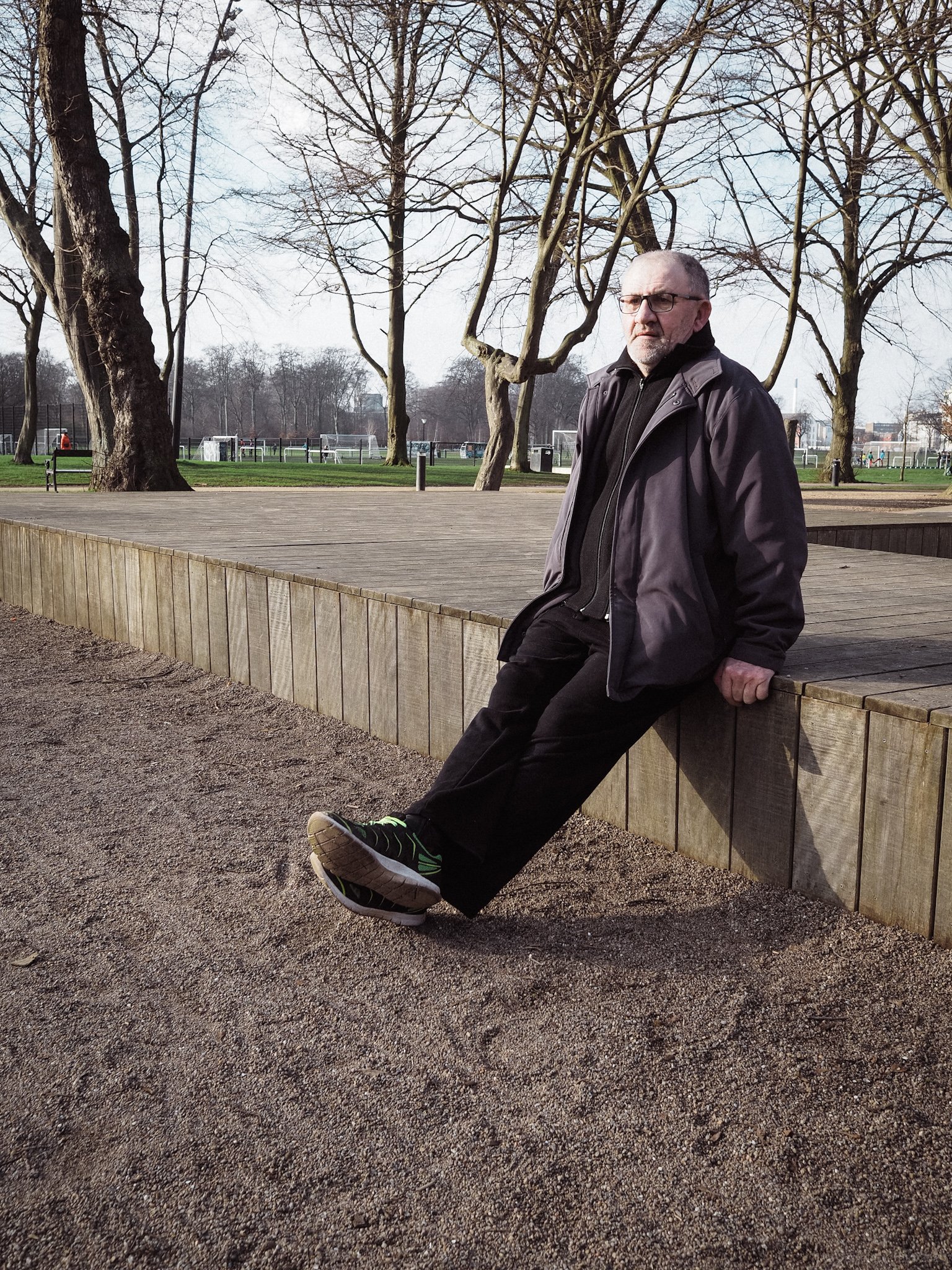
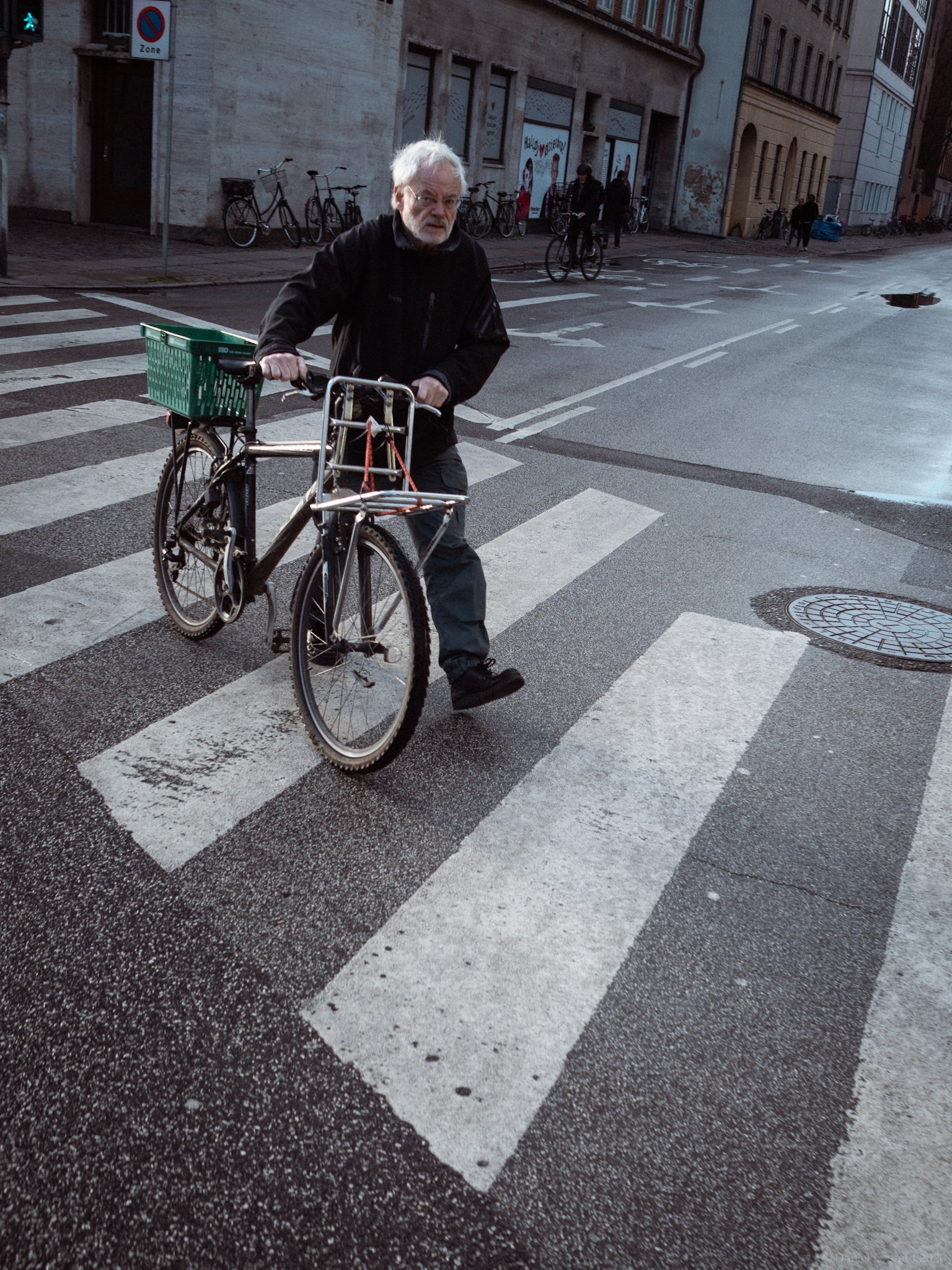
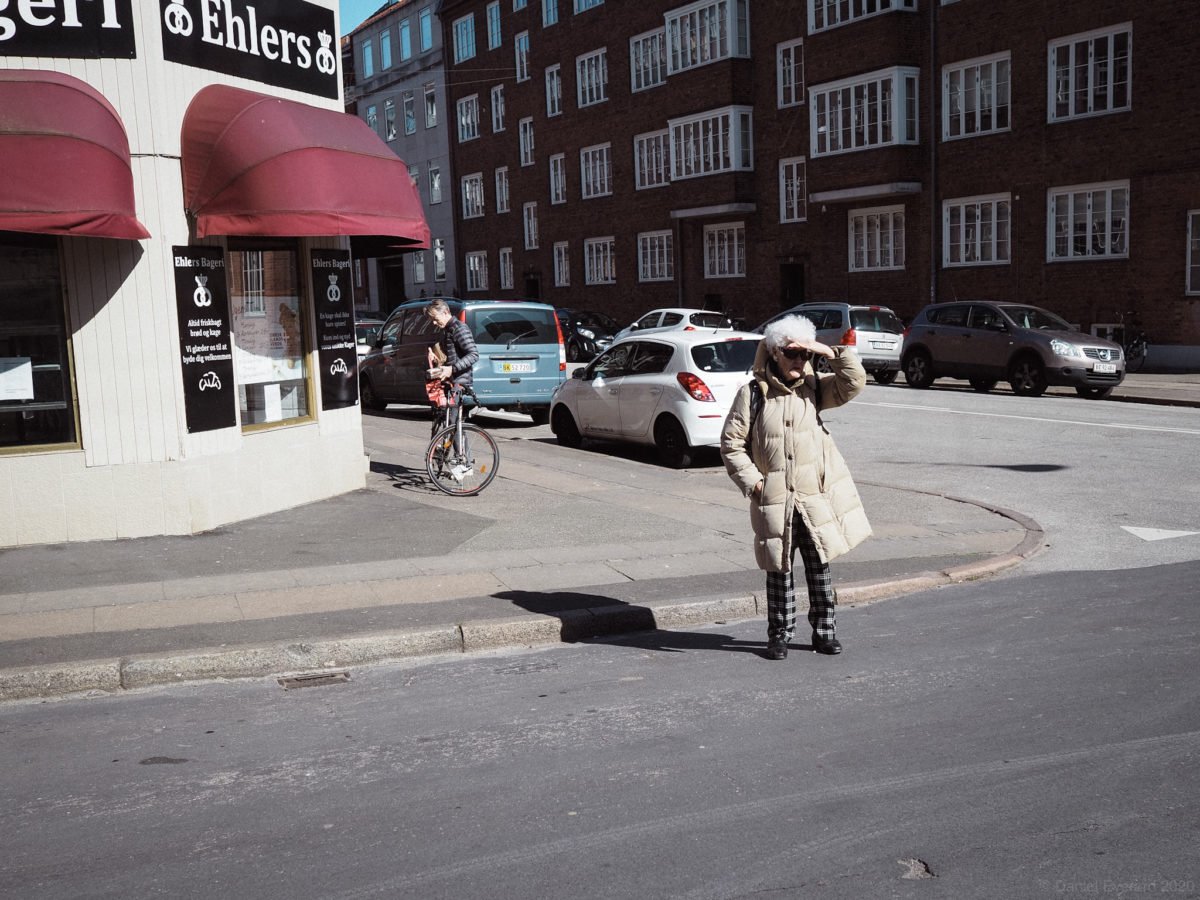
When walking around with my camera I’m often drawn to people. Particularly on bright winter days, documenting the day to day errands of city folk – the clothing they choose to keep themselves warm, the bags and trolleys they carry, their facial expressions – are all fascinating subjects.
Most of these taken with my Olympus OMD EM5 mkII and the 17mm f1.8 prime. This set up is super compact and discreet – perfect for this sort of daytime street work. More of my thoughts on the camera in an upcoming post.